Some surf trips are about charging. This one is about restoring. It links the two most established surf-and-wellness towns on the Nicoya Peninsula — Nosara, in one of the world's recognized Blue Zones, and Santa Teresa, its bohemian southern cousin — into an eight-day rhythm of forgiving dawn sessions, midday yoga, and long, slow afternoons. Both towns are built for exactly this: mellow sand-bottom beach breaks that work across the tides, and a deep bench of yoga studios and surf camps a short walk from the water.
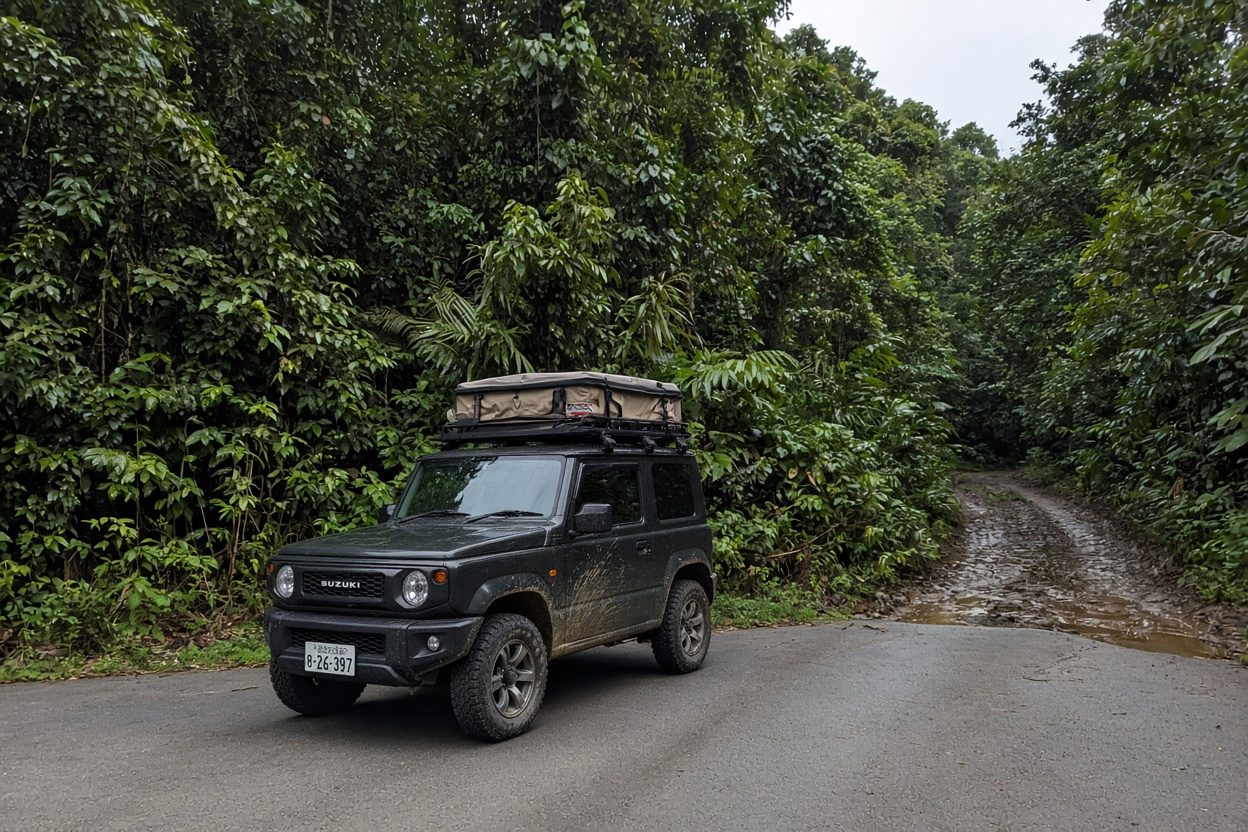
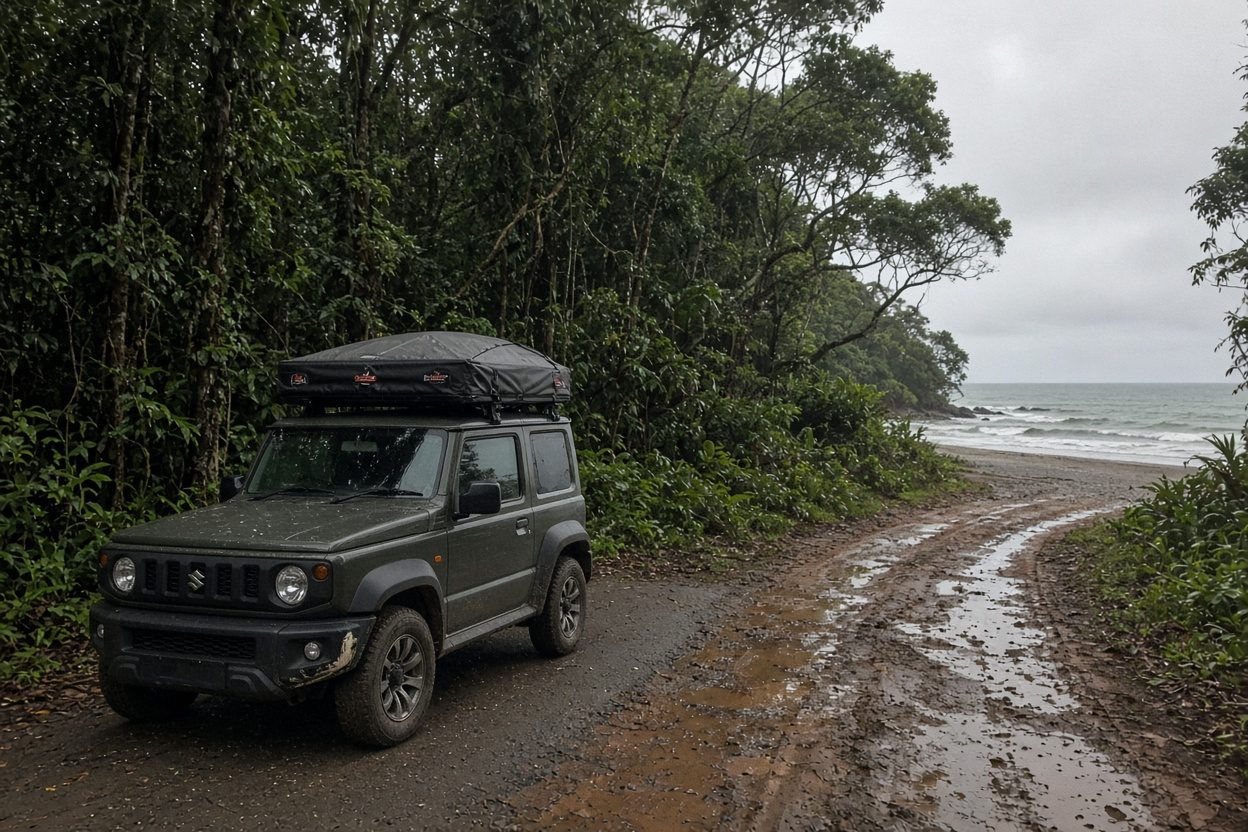
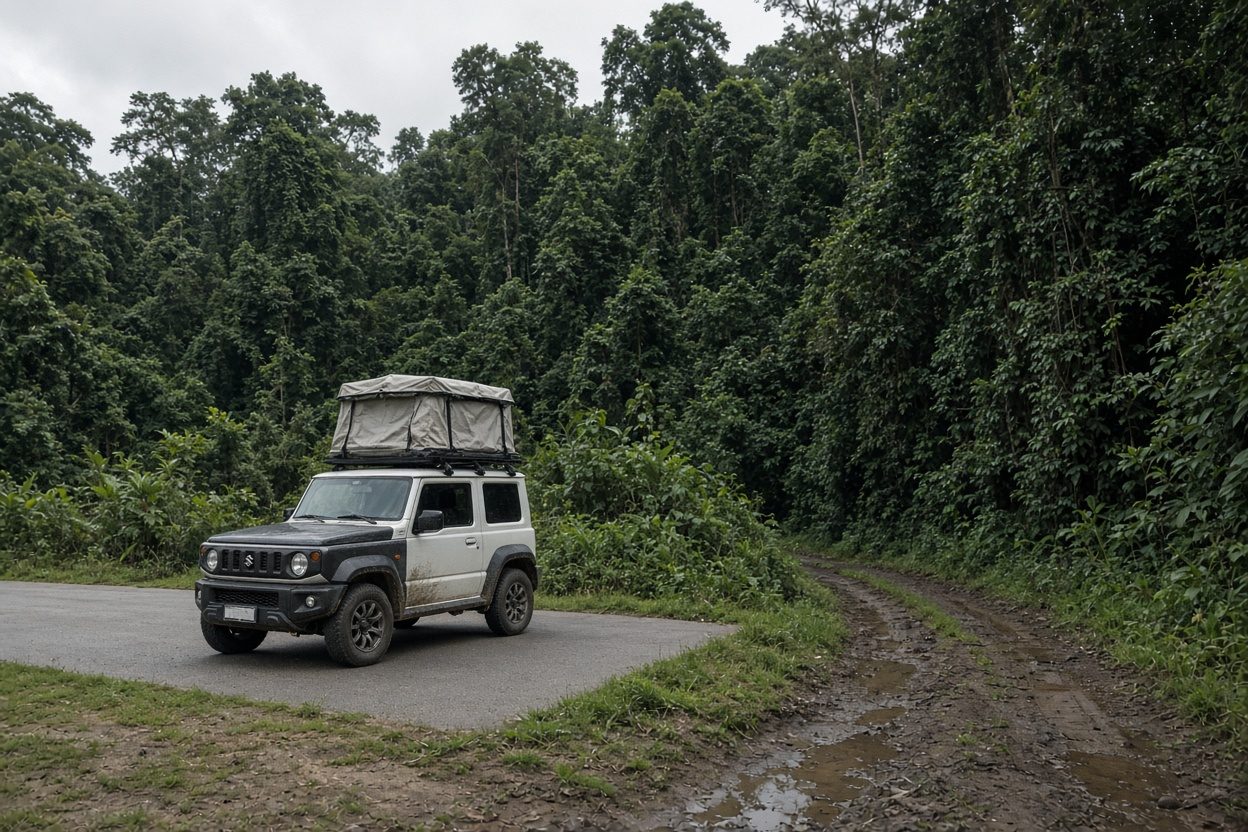
The season to do it is the December–April dry season, when Nicoya's mornings are offshore and clean and the waves are approachable. A compact 4x4 is all you need — with one caveat: the last stretch into Nosara is dirt, and fuel is sparse between towns, so top up when you can.
Day by day
Day 1 — Arrive Nosara (Playa Guiones)
Fly into Liberia (LIR), drive down to Nosara — the final approach is a dirt road — and settle into the Guiones rhythm. Sunset beach walk, first restorative yoga class, early night.
- Eat: Nosara's famously healthy cafés — smoothie bowls, poke, fresh fish.
- Sleep: Bodhi Tree Yoga Resort (yoga, spa, and surf under one roof in the Blue Zone) or a Guiones surf-yoga guesthouse.
Days 2–4 — Nosara: surf + yoga + Blue Zone
Settle into the reset routine: dawn surf, mid-morning yoga, spa/rest afternoons.
- The wave — Playa Guiones: a long, dependable beach break that works best on a SW-to-W swell with a rising mid-to-high tide, typically waist-to-shoulder — forgiving and consistent, ideal for beginners building confidence and intermediates polishing technique. Best season: December–April dry-season offshores.
- Yoga/wellness: Nosara has a genuine wellness ecosystem — the Nosara Yoga Institute and multiple studios run daily community classes; Bodhi Tree runs full retreats.
- Blue Zone extras: Nicoya's Blue Zone longevity culture, the Nosara river-mouth/estuary for a calm paddle, sunset at the beach.
- Eat & sleep: stay based in Guiones.
Day 5 — Transit to Santa Teresa
Drive south down the peninsula to Santa Teresa. Depending on the route and season this can involve the coast road and/or the Paquera ferry connection — verify the current road conditions and the ferry schedule locally, and fuel up before the peninsula gaps. Arrive, unwind, evening yoga.
- Sleep: Shaka Costa Rica (surf camp + yoga in Playa Hermosa/Santa Teresa) or a Santa Teresa surf-yoga retreat.
Days 6–7 — Santa Teresa: surf + wellness
- The wave — Playa Carmen / Santa Teresa: a very consistent beach break that works essentially year-round, with many peaks spread along the sand so you can find a mellow corner or a punchier peak to match the day. Mal País to the south gets hollower but has low-tide rocks — surf it on the higher tides and with care.
- Wellness: Santa Teresa is internationally known for surf-and-yoga; established options include Pura Vida Adventures (long-running women's surf & yoga retreats) and Florblanca for luxury spa. Daily studio classes are everywhere.
- Eat & sleep: Santa Teresa's health-forward restaurants and beach clubs.
Day 8 — Dawn session + exit
A final dawn surf and closing yoga class, then drive back toward the ferry / Liberia.
The breaks — why surf, and who for
| Break | Type | Skill | Best conditions |
|---|---|---|---|
| Playa Guiones (Nosara) | Sand beach break | Beginner–intermediate | SW-to-W swell, rising mid-to-high tide, dry-season AM offshore |
| Playa Carmen / Santa Teresa | Sand beach break, many peaks | Beginner–advanced | Works year-round; pick your peak to your level |
| Mal País | Hollow beach break | Intermediate | Higher tide (low-tide rocks) |
Both towns are chosen precisely because the waves are forgiving and consistent — you can surf every dawn without the reef-cut anxiety of the heavier breaks, which is exactly what a reset weekend wants.
Where to stay
- Nosara: Bodhi Tree Yoga Resort (yoga + spa + surf, Blue Zone); Guiones surf-yoga guesthouses; Nosara Yoga Institute area.
- Santa Teresa: Shaka Costa Rica (surf camp + yoga); Pura Vida Adventures (retreat weeks); Florblanca (luxury spa).
Surf logistics
- Season / swell window: 🟢 December–April is ideal — clean, offshore mornings and approachable size. The wet season (May–Nov) brings bigger, more consistent swell if you want more push, at the cost of afternoon rain.
- Boards: A foamie or mid-length (7'–8') is perfect for Guiones and Playa Carmen; step down to a shortboard only as you progress. Most surf-yoga camps provide boards.
- Hazards: 🟢 Both are sand-bottom and forgiving. 🔴 Mind Mal País's low-tide rocks; watch for beach-break rips on bigger days and follow the standard "swim parallel" rule. Sun is intense — rash guard + reef-safe sunscreen.
- 4x4 & fuel: Compact 4x4 fine; the Nosara approach is dirt, and fuel is sparse — top up in the larger towns.
- Connectivity: Decent in both towns (Nosara is a digital-nomad hub); patchier on the peninsula roads between them.
- Respect / localism: Both lineups are relaxed and welcoming by CR standards; still, give priority to locals and keep the beginner peaks for beginners.
Insider tips
- Book the yoga first, then surf around it. Studios have fixed class times; slot your dawn and late-afternoon surfs on either side.
- Guiones is a tide wave — a rising mid-to-high tide transforms it. Check the chart and time your session.
- Fuel up before leaving Nosara. The peninsula between the two towns has real fuel gaps.
- Surf the mornings. Dry-season offshores are cleanest at dawn; afternoons get windy.
- Let it actually be a reset — you don't need to chase size here. The point is dawn glass, good food, and daily movement.
Reserve your rig
A compact 4x4 handles the Nosara dirt road and the peninsula hop comfortably, with racks for your own board if you bring one. Reserve your VerifiedCR rig for the dry-season window and we'll help line up the Guiones-to-Santa Teresa route and the ferry timing around your retreat schedule.
Before you go
Do you need a 4x4?
gravel sections — 2WD ok in dry season
Best window to fly
December–April (dry, offshore mornings)
Offline first
Download your route and offline maps before you leave the lot — signal drops on the best stretches.
Golden rule
Never drive at night — plan arrivals before dark, and use Waze like the locals do.
VerifiedCR · No counter surprises
What a Costa Rica rental actually costs
The number one thing that rattles first-timers is the price jumping at the counter. Here is the honest math, before you get there.
- Advertised daily rate$12–40 / day
- What the booking sites show. It is real — but it is not the whole price. Nobody pays only this.
- Mandatory liability (TPL / SLI)+$15–25 / day
- Required by Costa Rican law on every rental. Cannot be waived. This is the line the cheap ads leave off — it roughly doubles the sticker price. Budget for it.
- Collision damage (CDW)waivable
- Often $20–40/day — but you can usually decline it if your credit card includes rental coverage (Amex, Visa Signature, Chase Sapphire and others). Call your card, ask for a coverage letter, and bring it printed.
- Security hold on your card$1,000–2,500
- A hold, not a charge — released after you return the car clean. Some agencies hold more. Make sure your card has the headroom before you fly.
The verified-rig promise: when you reserve through VerifiedCR, the rig is inspection-checked and the operator is vetted — the price you are quoted is the price you pay. No mystery line items at pickup.