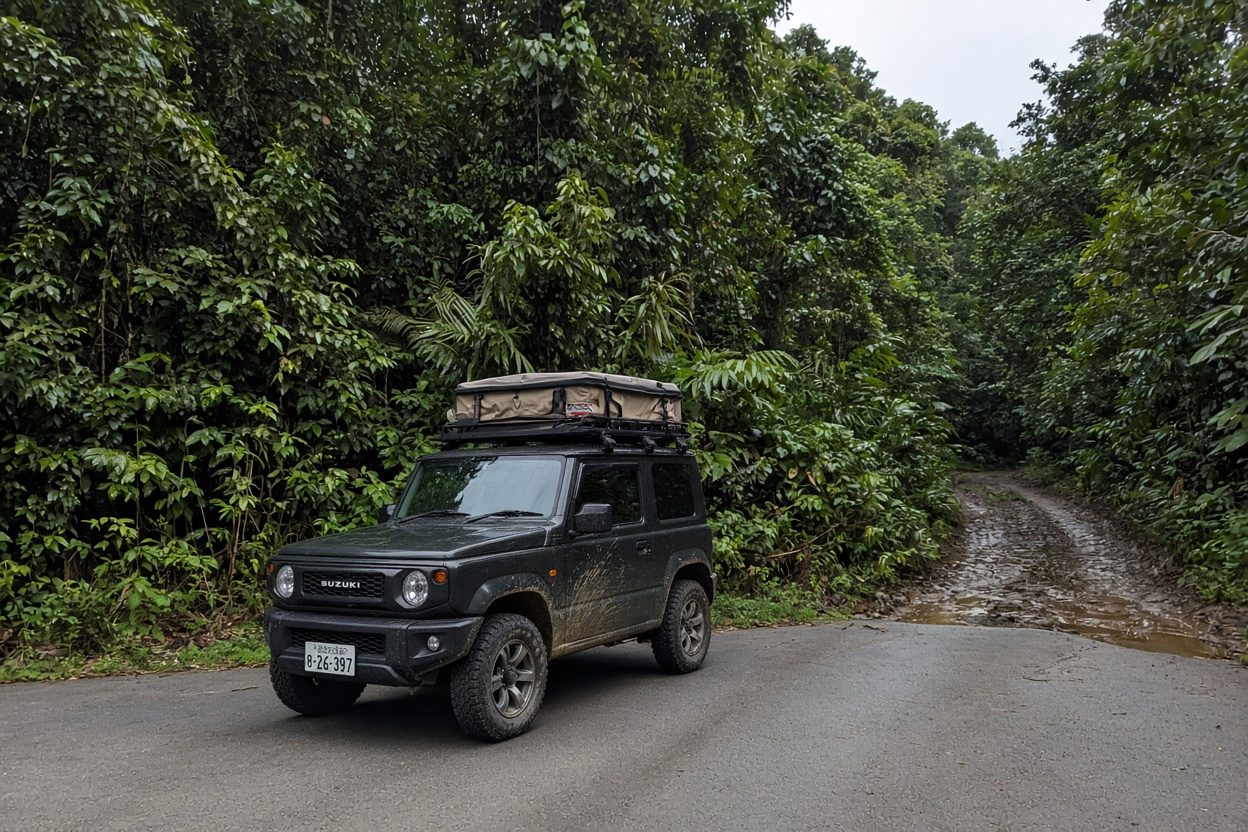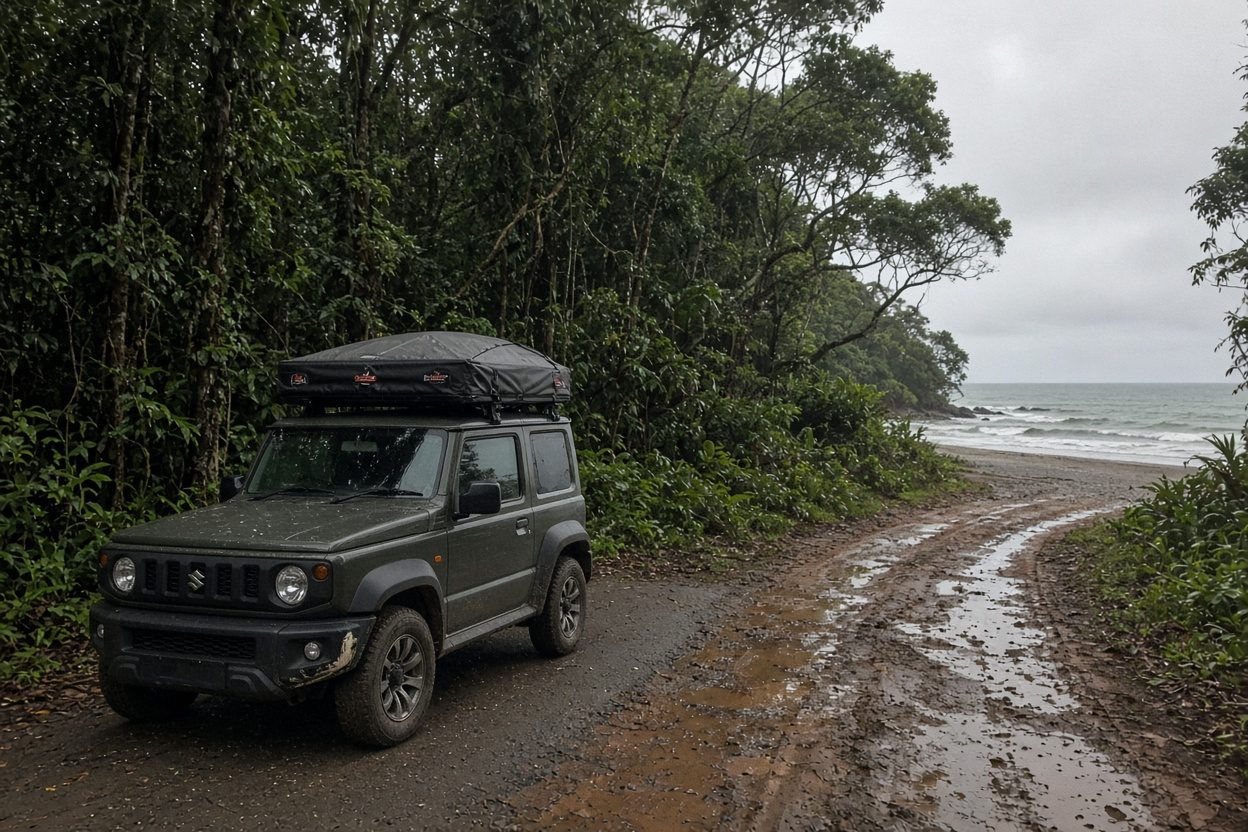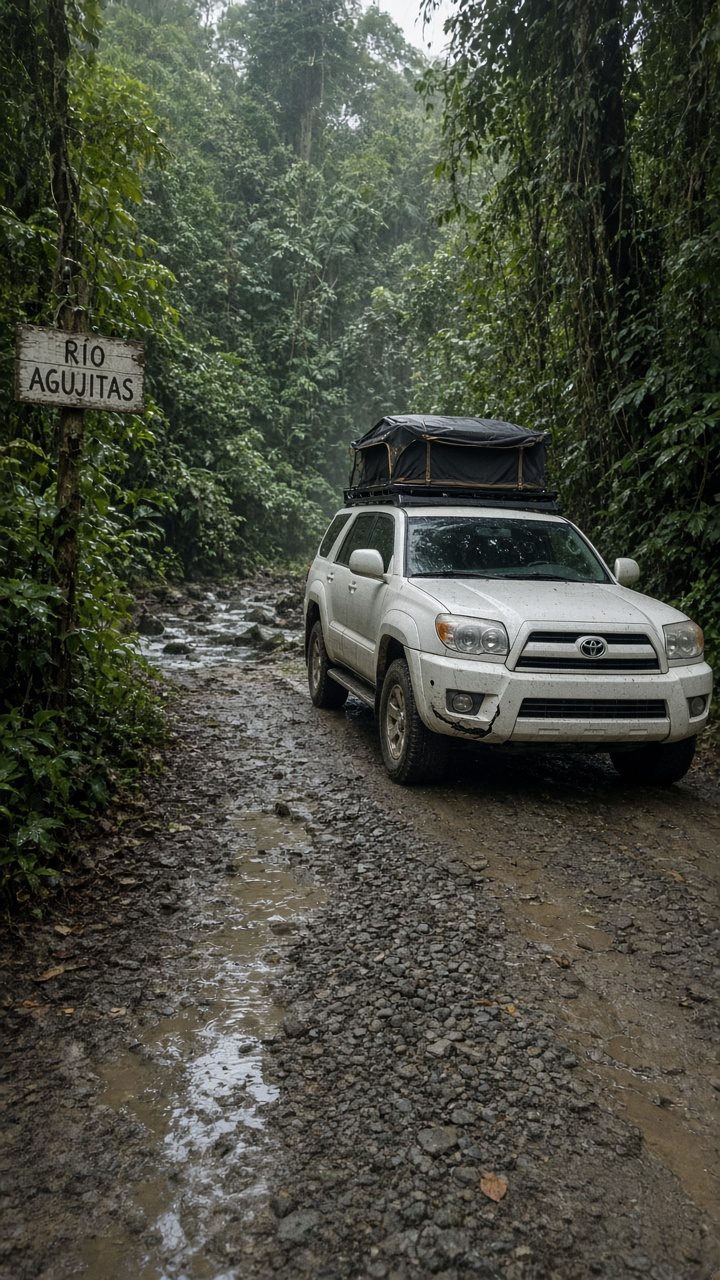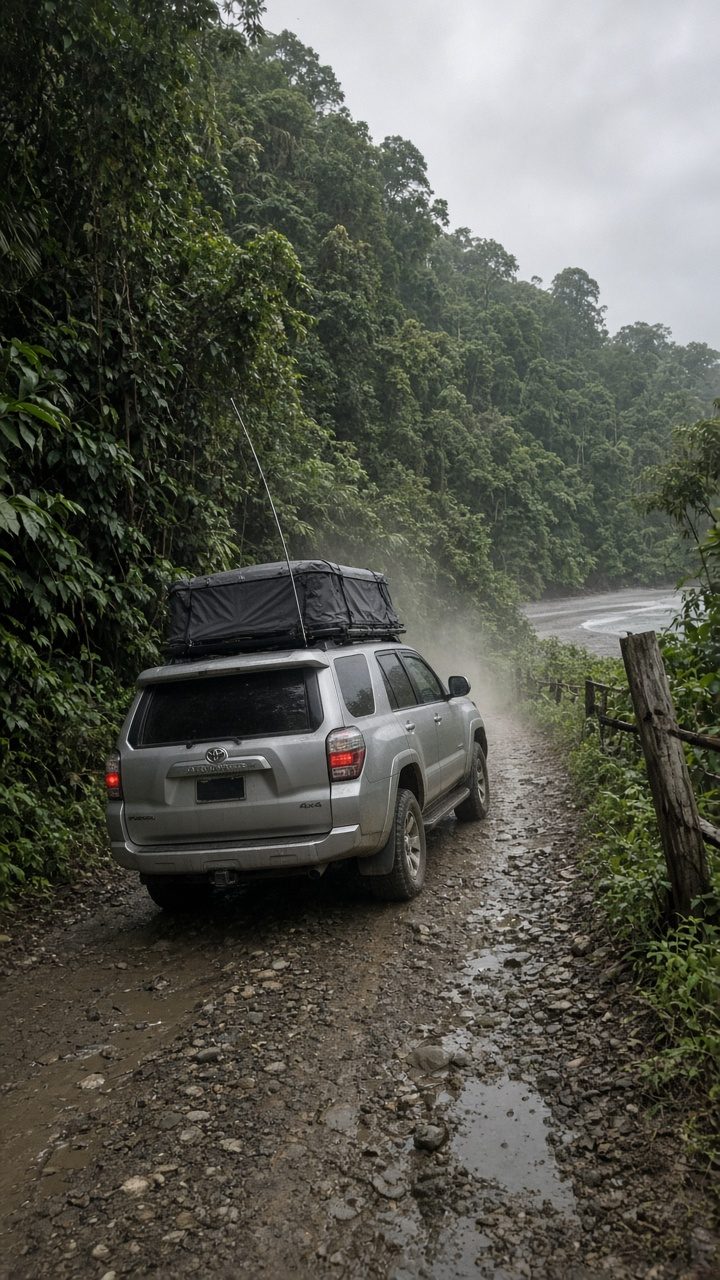
A handful of beaches on Earth host the arribada — the "arrival," when tens of thousands of olive-ridley sea turtles come ashore over a few nights to nest all at once. Ostional, a wild grey-sand beach just north of Nosara, is one of the very best places to witness it. When it's on, the sand moves; when it's not, you have a quiet wildlife refuge and, often, hatchlings scrambling to the surf. This four-day chase from Liberia is built to maximize your odds and do it responsibly.
Be honest with yourself about the gamble. Arribadas cannot be scheduled. They tend to happen in the rainy-season months — roughly July through December, with the biggest events around August to November — and they cluster around a particular moon phase (typically the last-quarter-to-new-moon window). But the exact nights are unpredictable, announced only a day or two out by the community monitors. This is a 🟡 trip not for its roads but for its uncertainty: build in buffer days and treat any arribada as a bonus, not a booking.
Ostional is a legally protected refuge, and access during an arribada is tightly controlled. A certified local guide is required for night and dawn visits, group sizes and routes are managed, and there are strict rules to protect the turtles. Respecting them is the whole point.
Day-by-Day
Day 1 — LIR to Nosara base (approx. 110–130 km, ~2.5–3 hr; paved then dirt into Nosara, 4x4). Fly into Liberia, provision in Nicoya town (last big supermarket and fuel), and drive out to a Nosara base — close enough to reach Ostional quickly when the call comes. The final approach is washboard dirt. Settle in, check in with a certified Ostional guide/monitor about current conditions and the moon-phase outlook, and be ready to move on short notice.
Day 2 — Ostional night or dawn arribada attempt (approx. 25–40 min north of Guiones on dirt; ⚠️ river-mouth crossing). If an arribada or strong nesting is reported, go with your certified guide for the night or, more comfortably, the dawn session — first light is often the best combination of turtle activity and visibility. ⚠️ The route to Ostional crosses the Nosara/Montaña river mouth, which can be impassable at high water; your guide will know if it's crossable, and you should never force it. Follow every rule: no flash, no white light, stay behind the guide, keep back from nesting females.
Day 3 — Daytime hatchlings + rest (short local drives). Even without a full arribada, the days after a nesting event bring hatchlings emerging and making their dash to the sea — a gentler, daylight spectacle that's easier with kids and doesn't need a night tour. Spend the rest of the day resting at Guiones, walking the beach, or taking a beginner surf lesson. If no arribada has come yet, keep this day flexible for a second attempt.
Day 4 — Nosara back to LIR (approx. 2.5–3 hr; dirt out, then paved). Early departure to beat the heat and dust, out to the paved spine and back to Liberia for your flight.
Signature Stops (why go)
- Ostional arribada — one of the largest mass-nesting events on the planet; genuinely once-in-a-lifetime when you catch it.
- Ostional hatchling emergence — the daylight follow-up to a nesting event, gentle and reliable in the days after.
- Playa Guiones (Nosara) — the comfortable, well-serviced base with surf, food and wifi while you wait for the turtles.
- Nosara estuary/river mouth — birdlife and mangroves when the beach is quiet.
Where to Camp / Stay (named)
- Nosara/Guiones: the practical base — guesthouses and small hotels near the beach path, close enough to reach Ostional fast.
- Ostional village: a few simple cabinas and the community turtle lodge for travelers who want to be on the beach the moment an arribada breaks — book direct.
- Whatever you choose, book a base that can connect you to a certified monitor for real-time arribada news.
Logistics & Road Reality
- Fuel: 🟡 fill up in Nicoya town; Nosara has fuel but the dirt roads are no place to run low.
- 4x4: 🔴 needed for the Nosara dirt and, critically, the Ostional river-mouth crossing; the LIR–Nicoya spine is paved.
- Permits/guides: 🔴 certified guide required for arribada night/dawn access; the refuge controls entry.
- Season: Jul–Dec for peak nesting; the biggest arribadas skew Aug–Nov, but no date is guaranteed.
- Connectivity: 🟢 in Nosara town; 🔴 at Ostional and on the dirt between.
- Safety: the river-mouth crossing can flood without warning — trust the guide, not your optimism; and grey-sand beaches at night are disorienting, so stay with the group.
Turtle Guidance (timing, moon and the rules)
Time your trip to the moon, not the calendar: arribadas cluster around the last-quarter-to-new-moon window during the July–December wet season. The best strategy is to base in Nosara for several nights spanning that phase and stay ready to move within hours. Book only through certified guides/monitors — they have the real-time intel and the legal access. On the beach, the rules are absolute and non-negotiable: no camera flash, no white flashlights (red light only, if the guide permits), no touching or crowding the turtles, no walking in front of a nesting female, and no getting between hatchlings and the sea. This is a working conservation site, not a photo set.
Insider Tips
- Plan your dates around the last-quarter-to-new-moon window in the rainy season and pad with buffer nights.
- Prefer the dawn session over deep night — better light, same turtles, easier walking.
- Book through a certified Ostional monitor/guide and let your lodging be the one that tips you off when it starts.
- Carry only a red light; a phone flash can send hatchlings the wrong way and disturb nesting females.
- Never force the river-mouth crossing — if the guide says no, it's no; it floods fast.
Reserve Your Rig
A capable mid-size 4x4 is essential here — clearance for the Nosara dirt and the Ostional river mouth, and the range to shuttle north on short notice when the arribada breaks. VerifiedCR pairs your rig with arribada-window alerts tied to the moon phase, a certified-guide-only booking, and offline routing that flags the river-mouth crossing. Reserve your rig and put yourself in position for one of the planet's great wildlife events.
Before you go
Do you need a 4x4?
gravel sections — 2WD ok in dry season
Best window to fly
Jul–Dec peak (dates unpredictable, cluster near the last-quarter-to-new moon)
Offline first
Download your route and offline maps before you leave the lot — signal drops on the best stretches.
Golden rule
Never drive at night — plan arrivals before dark, and use Waze like the locals do.
VerifiedCR · No counter surprises
What a Costa Rica rental actually costs
The number one thing that rattles first-timers is the price jumping at the counter. Here is the honest math, before you get there.
- Advertised daily rate$12–40 / day
- What the booking sites show. It is real — but it is not the whole price. Nobody pays only this.
- Mandatory liability (TPL / SLI)+$15–25 / day
- Required by Costa Rican law on every rental. Cannot be waived. This is the line the cheap ads leave off — it roughly doubles the sticker price. Budget for it.
- Collision damage (CDW)waivable
- Often $20–40/day — but you can usually decline it if your credit card includes rental coverage (Amex, Visa Signature, Chase Sapphire and others). Call your card, ask for a coverage letter, and bring it printed.
- Security hold on your card$1,000–2,500
- A hold, not a charge — released after you return the car clean. Some agencies hold more. Make sure your card has the headroom before you fly.
The verified-rig promise: when you reserve through VerifiedCR, the rig is inspection-checked and the operator is vetted — the price you are quoted is the price you pay. No mystery line items at pickup.