For birders, the Osa Peninsula is holy ground. This corner of Costa Rica holds the country's largest population of scarlet macaws — you'll see them daily, in raucous pairs against the green — plus a roster of regional specialties that pull serious listers from around the world. Chief among them is the yellow-billed cotinga, an endangered mangrove-and-lowland-forest endemic of the Costa Rica–Panama border region, with the famous Rincón bridge being one of the most reliable places on Earth to find it. Add the mangrove hummingbird, the black-cheeked ant-tanager (an Osa endemic), turquoise cotinga, and a supporting cast of tanagers, trogons, and raptors, and you have a six-day itinerary that reads like a wish list.
We rank this 🟡: the roads are the now-bridged Rincón–Drake route plus paved approaches, and the "difficulty" is really the dawn starts and the patience the good birds demand. You'll bird three complementary habitats — the Rincón wetlands and bridge, the Drake Bay coastal forest, and the Térraba-Sierpe mangroves — each with its own targets. Dry season (Dec–Apr) offers the most comfortable birding and easiest roads, and a specialist local guide is the single biggest upgrade you can make: on the Osa, the guide's ears and scope are the difference between a good list and a great one.
Day-by-Day
Day 1 — Rincón wetlands at dawn. Base near Rincón and be at the Rincón bridge and surrounding wetlands at first light. This is the spot for the endangered yellow-billed cotinga, which favors the mangrove-forest edge here, along with scarlet macaws piling into the beach almonds, mangrove hummingbirds, and a parade of herons and kingfishers. Dawn is everything; the cotinga and the activity fade with the heat. Overnight near Rincón.
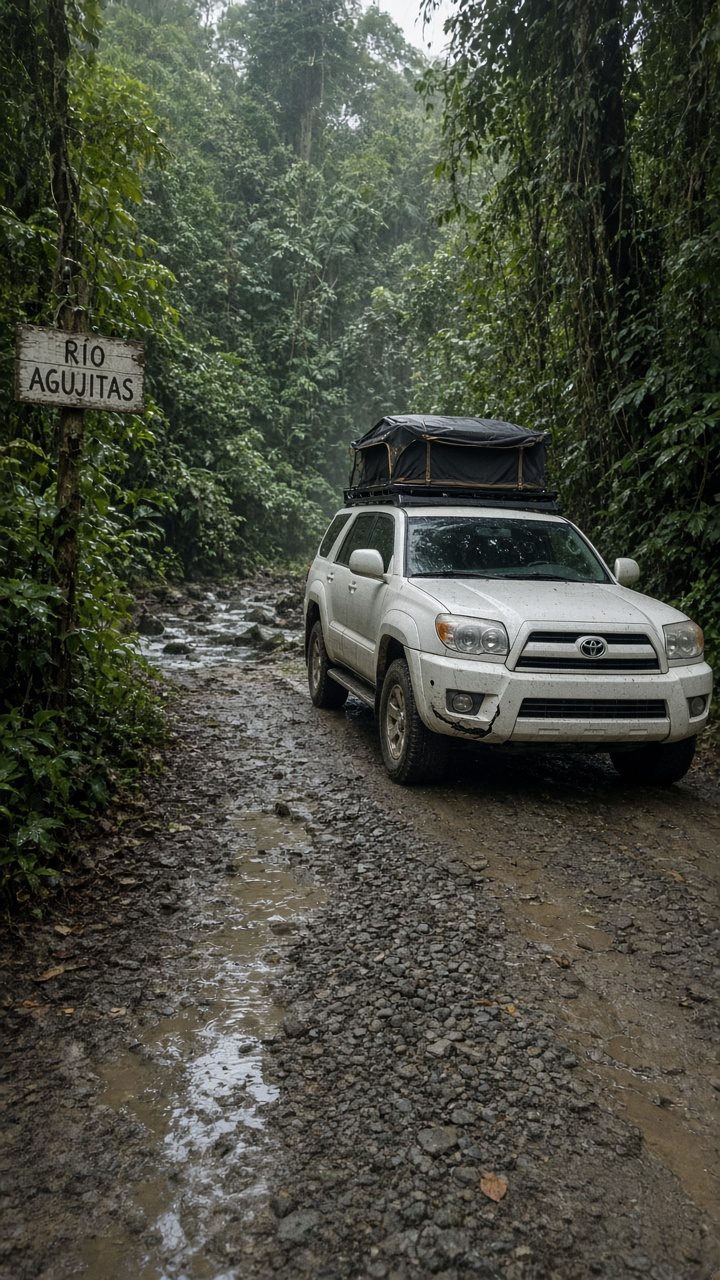
Day 2 — Drive to Drake; coastal-forest birding. Take the bridged Rincón–Drake road (rough but no fords in dry conditions) into Drake Bay, birding the forest edges as you go. Drake's lowland and coastal forest hold the black-cheeked ant-tanager (found only on the Osa), riverine warblers, trogons, and — with luck — the turquoise cotinga. Settle into a Drake eco-cabina and bird the Río Agujitas edge at dusk.
Day 3 — Drake → San Pedrillo day. Take a boat to Corcovado's San Pedrillo sector for a guided forest walk — the most accessible Corcovado station from Drake, and a superb birding-and-wildlife day with macaws, toucans, woodcreepers, and a real shot at Osa's mammals (monkeys, coatis, peccary). Return to Drake for the night.
Day 4 — Drake → Sierpe. Reposition to Sierpe — the mangrove capital — birding the transitional habitats along the way. Sierpe is a comfortable river town (services, lodges), so use the afternoon to rest and set up tomorrow's dawn mangrove tour. Overnight in a Sierpe riverside lodge.
Day 5 — Térraba-Sierpe mangrove birding. A dedicated dawn boat into the Térraba-Sierpe National Wetlands — the largest mangrove forest in Costa Rica and Central America. This is the trip's mangrove-specialist day: mangrove hummingbird, boat-billed heron, roseate spoonbill, yellow-billed cotinga again, and the possibility of the American pygmy kingfisher in the narrow channels. The quiet early hours are when the mangrove goes electric. Afternoon on the dock.
Day 6 — Out. A final dawn session (Sierpe river edge or a short mangrove loop) if you're keen, then refuel in Palmar and drive out with a fat list.
Signature Stops (why go)
- Rincón bridge — one of the world's most reliable sites for the endangered yellow-billed cotinga, plus daily scarlet macaws.
- Drake coastal forest — home of the Osa-endemic black-cheeked ant-tanager and a shot at the turquoise cotinga.
- San Pedrillo (Corcovado) — a boat-access forest walk with macaws, toucans, and Osa mammals.
- Térraba-Sierpe mangroves — the country's largest mangrove and the place for mangrove hummingbird and specialist waterbirds.
Where to Stay
Rincón offers simple lodges and cabinas near the bridge for the dawn start. Drake Bay has eco-cabinas (remember: no ATM, cash-only many places). Sierpe has comfortable riverside lodges (Hotel Oleaje Sereno / Sierpe River, Kokopelli) with easy service access. Book the birding-oriented spots; several cater specifically to birders with early breakfasts and guide connections.
Logistics & Road Reality
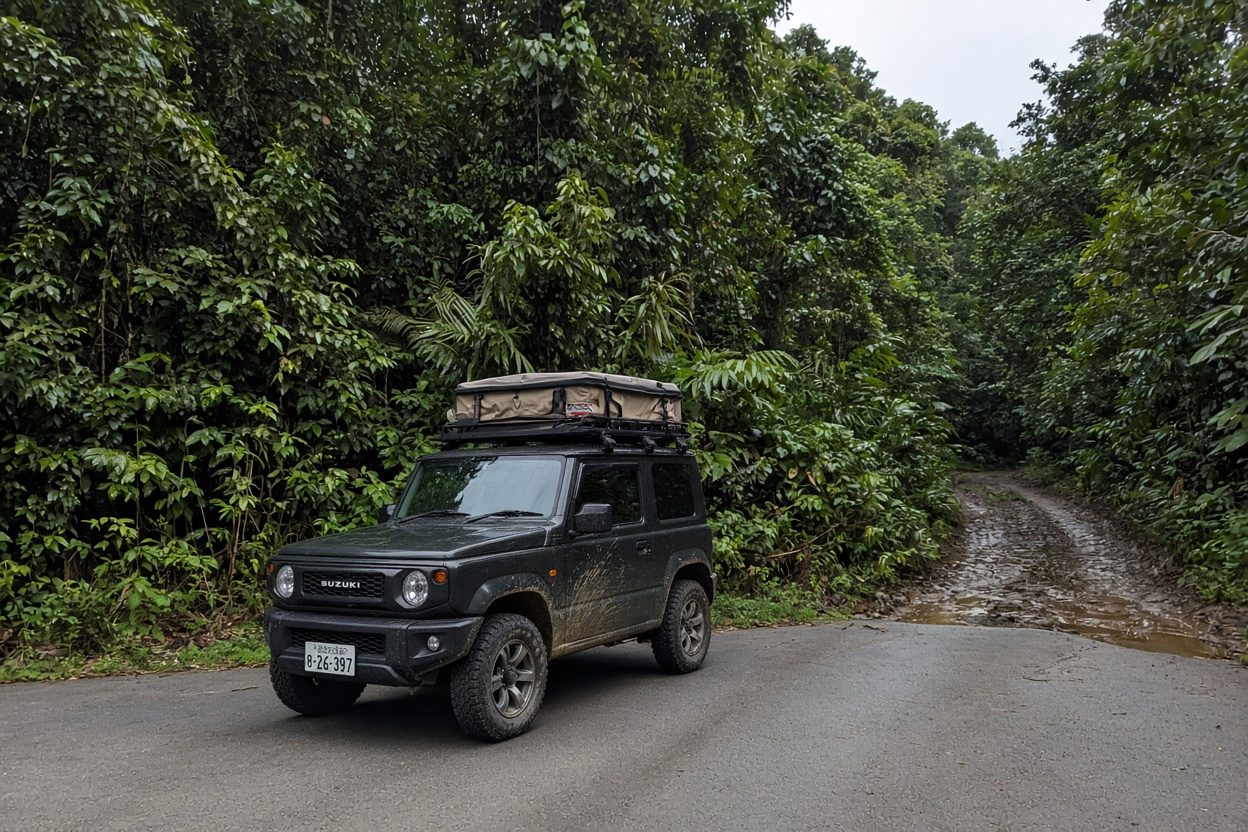
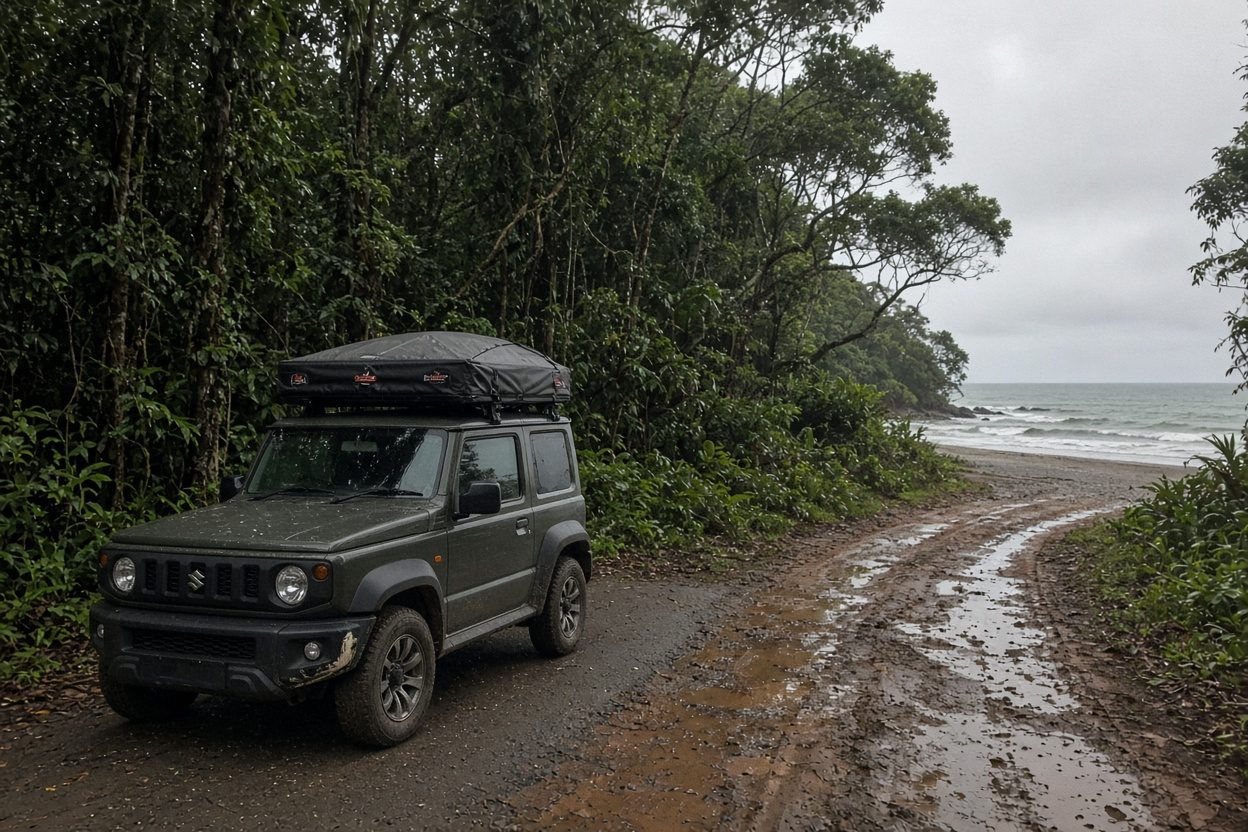
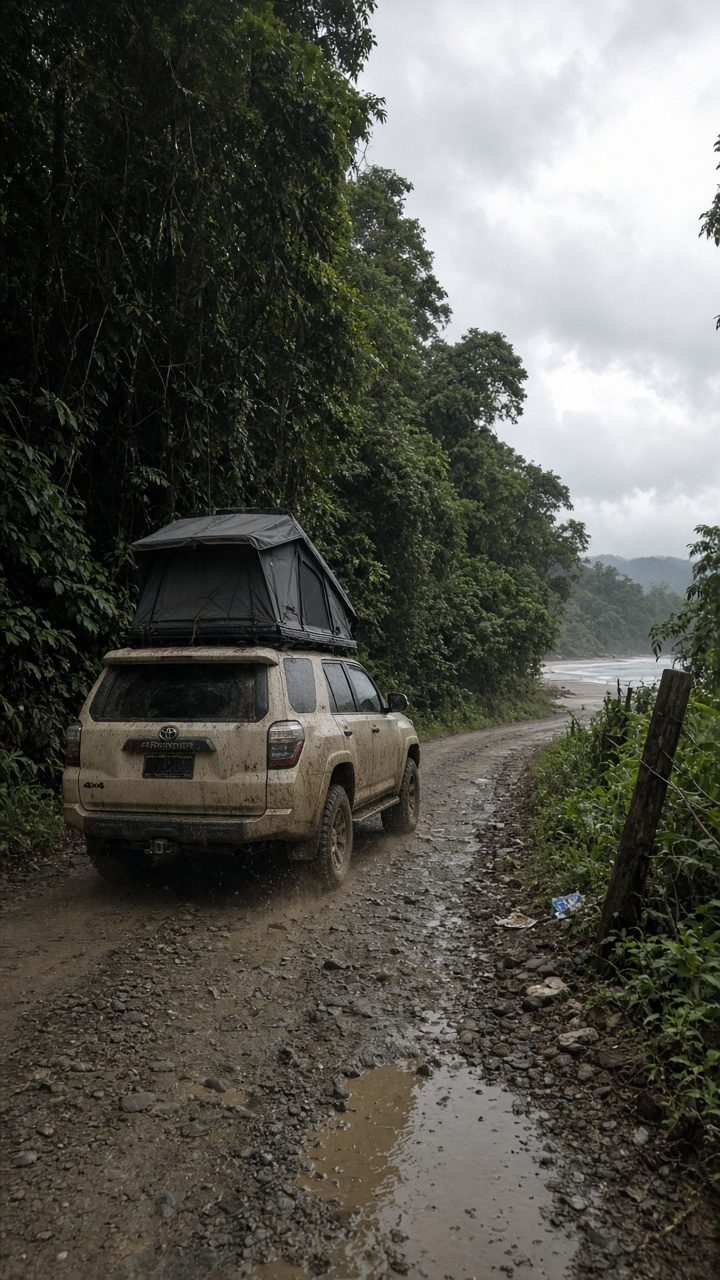
- Roads: Bridged Rincón–Drake route (rough, no fords in the dry) plus paved approaches; a mid 4x4 is ideal, especially if any rain.
- Guides: A specialist Osa bird guide is the key upgrade — for the cotinga, the ant-tanager, and the mangrove specialists especially.
- Fuel & cash: Provision in Palmar/Sierpe; Drake Bay has no ATM or gas — bring cash and a full tank for that leg.
- Season: Dec–Apr for comfortable birding and easy roads; dawn starts every day.
- Connectivity: Patchy in Drake and on the water; download offline maps and your eBird lists beforehand.
- Overland 🟢 vs through-land 🔴: 🟡 — moderate, weather-sensitive back roads with some boat access.
Insider Tips
- Be at the Rincón bridge at first light — non-negotiable. The yellow-billed cotinga and the whole show are a dawn phenomenon.
- Hire the local specialist. Osa endemics like the black-cheeked ant-tanager reward a guide who knows the exact patch and call.
- Carry cash for Drake. No ATM there, and your dawn-chorus boat and guide expect cash.
- Do the mangrove tour at dawn, not midday. By 9 a.m. the channels are hot and quiet; the roseate spoonbills and pygmy kingfishers are early risers.
- Bring a scope and rain cover. Distance mangrove and canopy birds need magnification, and even the dry season throws a shower.
Reserve Your Rig
Bird the Osa's three great habitats with your own rig and your own dawn schedule. Reserve a mid 4x4 with a specialist-guide connection and a target-species checklist, and we'll prep the Rincón–Drake road report and your Drake cash plan. [Reserve your birding 4x4 →]
Before you go
Do you need a 4x4?
gravel sections — 2WD ok in dry season
Best window to fly
Dec–Apr
Offline first
Download your route and offline maps before you leave the lot — signal drops on the best stretches.
Golden rule
Never drive at night — plan arrivals before dark, and use Waze like the locals do.
VerifiedCR · No counter surprises
What a Costa Rica rental actually costs
The number one thing that rattles first-timers is the price jumping at the counter. Here is the honest math, before you get there.
- Advertised daily rate$12–40 / day
- What the booking sites show. It is real — but it is not the whole price. Nobody pays only this.
- Mandatory liability (TPL / SLI)+$15–25 / day
- Required by Costa Rican law on every rental. Cannot be waived. This is the line the cheap ads leave off — it roughly doubles the sticker price. Budget for it.
- Collision damage (CDW)waivable
- Often $20–40/day — but you can usually decline it if your credit card includes rental coverage (Amex, Visa Signature, Chase Sapphire and others). Call your card, ask for a coverage letter, and bring it printed.
- Security hold on your card$1,000–2,500
- A hold, not a charge — released after you return the car clean. Some agencies hold more. Make sure your card has the headroom before you fly.
The verified-rig promise: when you reserve through VerifiedCR, the rig is inspection-checked and the operator is vetted — the price you are quoted is the price you pay. No mystery line items at pickup.