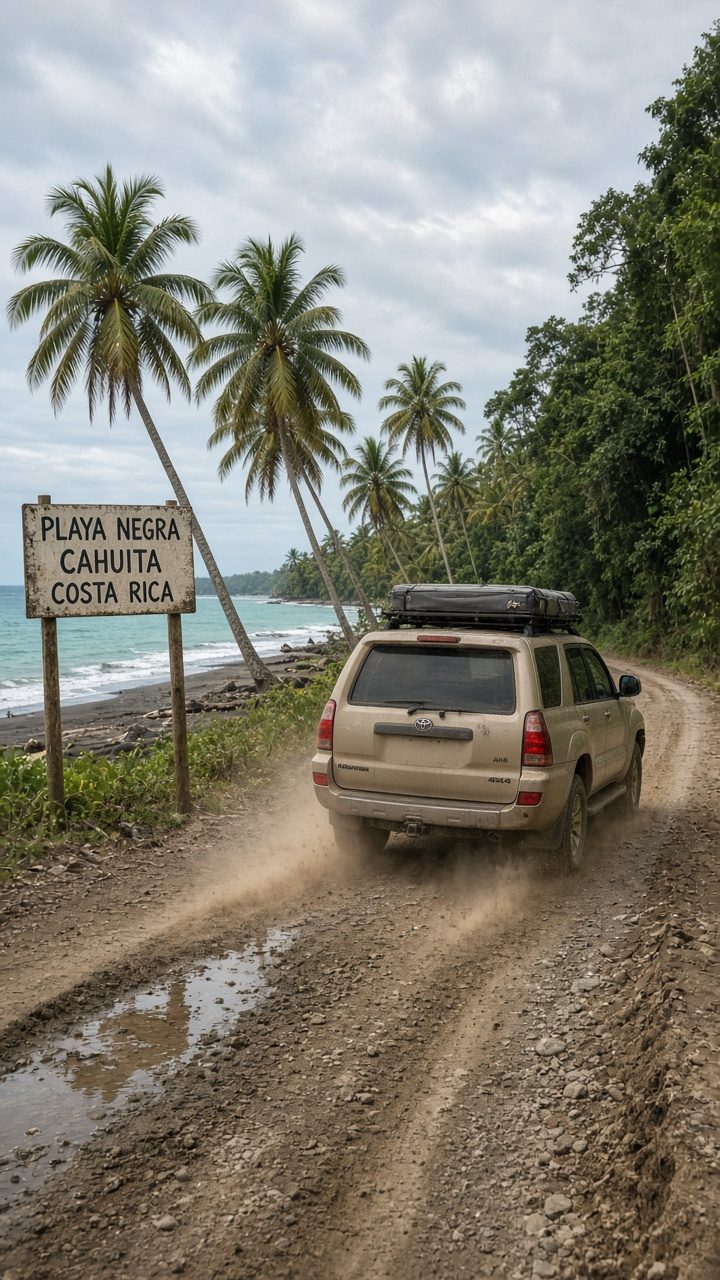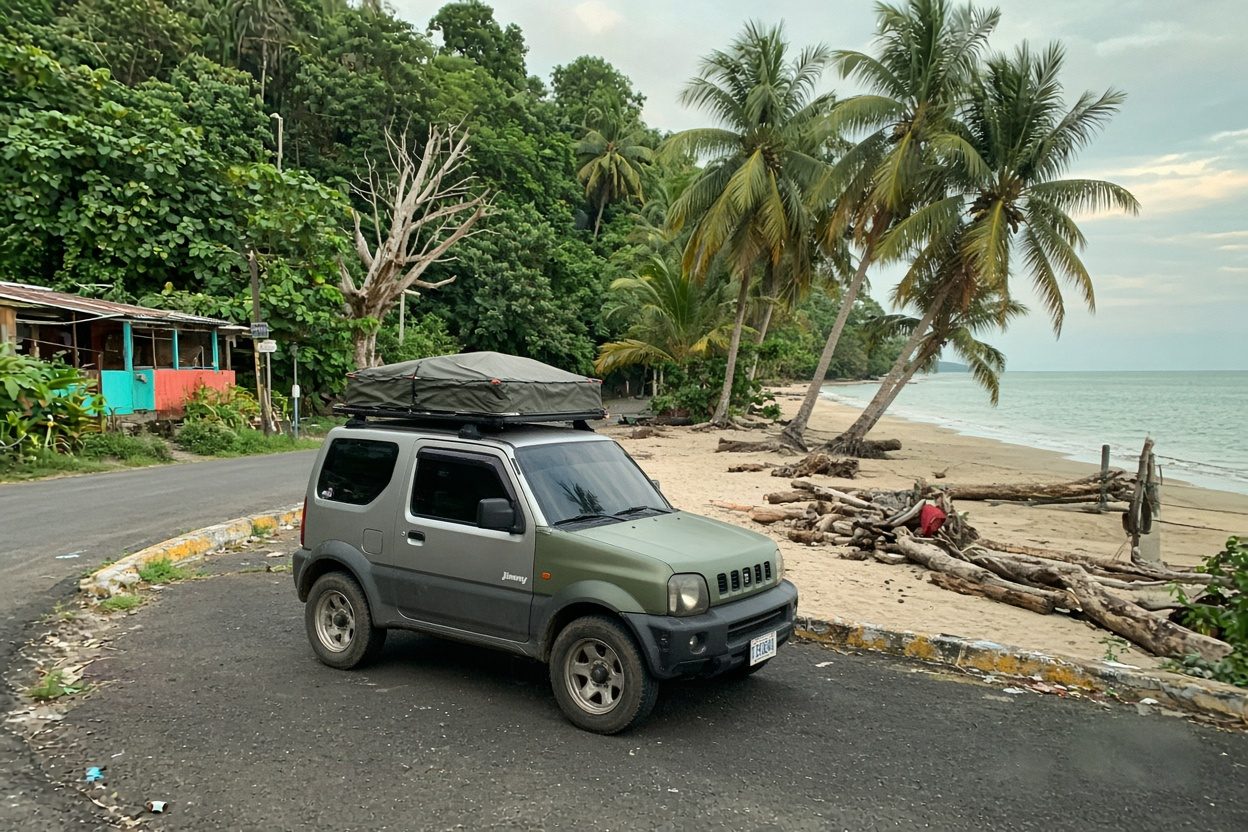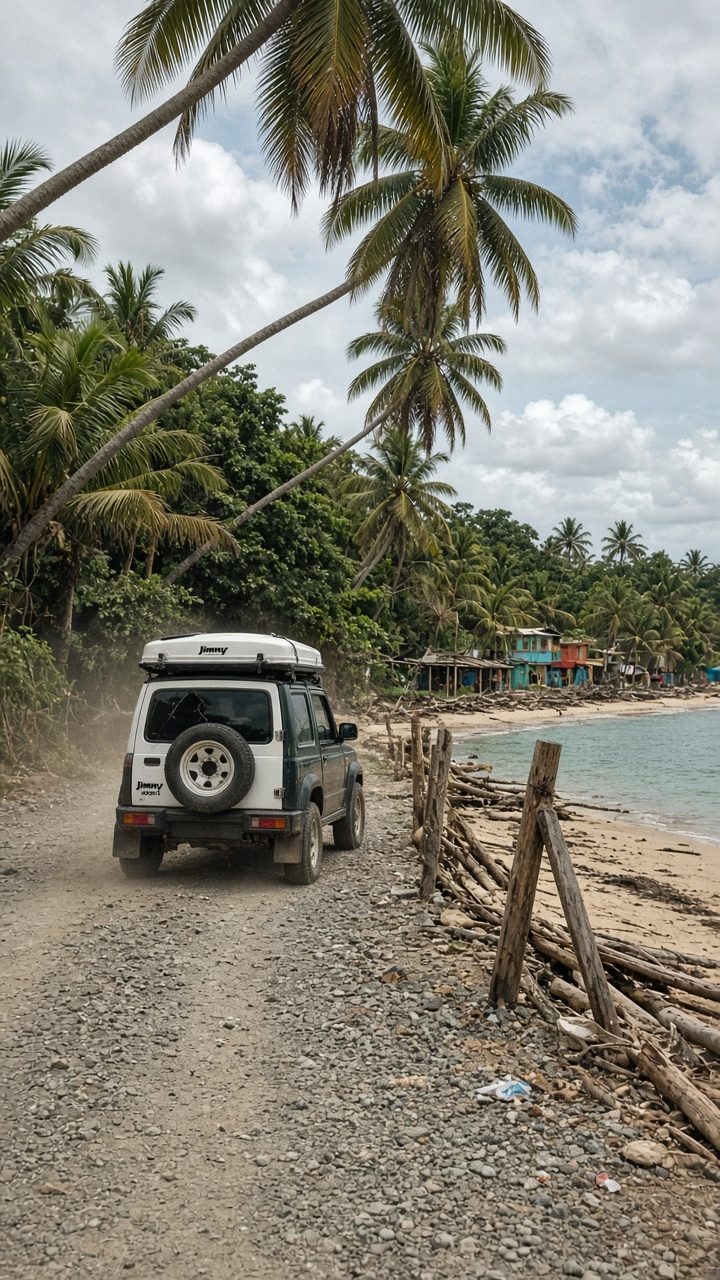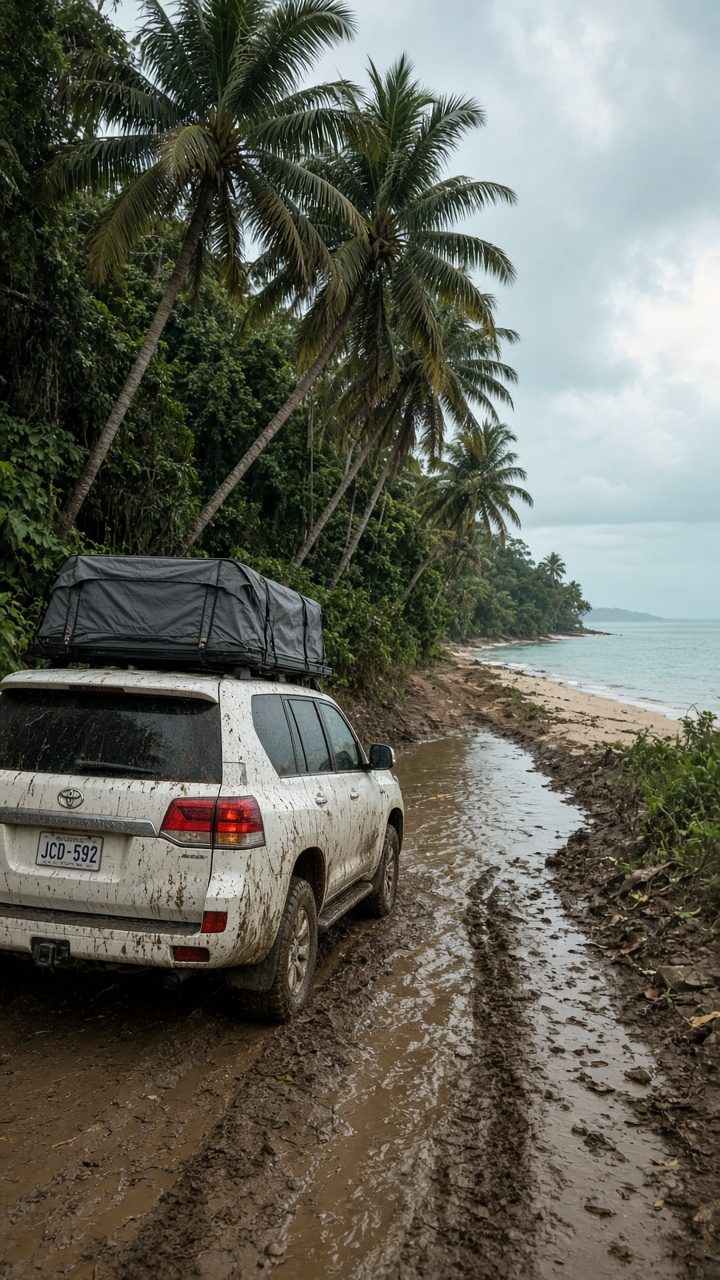
The legend, told honestly
In 1966, Bruce Brown put two young Californians on a plane with their boards and chased the sun around the planet, filming The Endless Summer — the idea that if you followed summer across the hemispheres, you'd never stop surfing. That film minted the surf-travel dream. But here's the honest part most brochures get wrong: the 1966 original never filmed in Costa Rica. Its mythic "perfect wave" was Cape St. Francis, South Africa.
Costa Rica belongs to the sequel — The Endless Summer II (1994), again directed by Bruce Brown, following Robert "Wingnut" Weaver and Pat O'Connell as they retraced the original journey with modern boards. Their Costa Rica leg was hosted by none other than Robert August, the 1966 film's co-star, who had fallen for Tamarindo and made it his adopted home. On screen, August, Wingnut and O'Connell surf the northern Pacific — and when the film hit theaters, it turned a handful of Guanacaste breaks into names surfers all over the world suddenly had to visit.
This trip is the pilgrimage version of that myth. Not a tour bus and a rental hatchback, but a self-drive chase in a Land Cruiser with a rooftop tent — sleep at the trailhead, wake to the offshore, drive to the next swell. You'll retrace the film's verified Costa Rica waves, then push past them to the two breaks that define the country's surf soul — Pavones, a left that seems to run forever, and Salsa Brava, the Caribbean reef that humbles everyone.
And you'll live the real lesson of "endless summer": you can't have every coast firing at once. Guanacaste is glassy and offshore in the dry months; the deep south and Pavones light up on wet-season south swells; the Caribbean peaks when the Pacific goes quiet. The endless summer isn't a season — it's a decision to keep following the swell to whichever coast is on. This route is built so you can flex to the forecast.
The route, break by break
Days 1–2 — Tamarindo, the film's home base (arrive LIR; paved 🟢). Fly into Liberia, pick up the rig, and roll into Tamarindo — the town Robert August put on the map and where the ES II Costa Rica segment is anchored. Warm up on Tamarindo's forgiving beach break and the río mouth, then paddle the more serious left at Playa Grande across the estuary (a marine turtle refuge — respect nesting closures). Honesty flag: Tamarindo is no longer the sleepy fishing village of the film; the post-1994 boom turned it into one of Central America's busiest surf towns. That's part of the story — you're standing at the exact spot the myth went mainstream. Stay/refuel here for the boat missions. Eat: sodas off the main strip for casados; the fish is fresh. Sleep: camp/park the rig at a Tamarindo-area campground (check costaricacampsites.com; book ahead in dry season) or base at Witch's Rock Surf Camp — Robert August's own operation in town (verify availability).
Day 3 — Witch's Rock / Playa Naranjo (boat day 🔴). The film's signature Costa Rica wave. Witch's Rock (Roca Bruja) is a fast, hollow A-frame beach break peeling beside a lone volcanic monolith — estimated ~130 million years old — that howls when the offshore Papagayo winds hit it (that's the "witch"). It's inside Santa Rosa National Park, reached by chartered boat (45 min from Playas del Coco, longer from Tamarindo) or a park drive-and-hike. Prime is dry season (Dec–Apr), when Papagayo offshores groom N/NW swell into glassy peaks; there's a **$15 park fee**, and your boat must carry proper MINAE/ACG/SINAC permits or the Coast Guard will evict it. The wave: punchy, both directions, best on mid–high tide. Localism: low — but boat etiquette and park rules are real.
Day 4 — Ollie's Point / Potrero Grande (boat day 🔴). Also ES II canon, usually charted on the same boat trip out of Coco. Ollie's Point is a long, wrapping right-hand point — and its name is pure Cold-War trivia: it's called after Lt. Col. Oliver North, whose clandestine Iran-Contra airstrip sat just inland at Potrero Grande. There's no road — boat access only, deep inside the protected zone. The wave: on a solid south swell it's one of the longest, most makeable rights in Guanacaste, best mid-tide with the same Papagayo offshores. Combine Days 3–4 as a single overnight boat charter if the forecast is on.
Day 5 — South to Nosara / Playa Guiones (drive ~2.5–3 hrs, paved + gravel 🟡). Reposition down the Nicoya coast to Playa Guiones, Nosara — a long, consistent beach break that's the region's most reliable everyday wave and a mellow reset after the boat missions. Yoga-town calm, clean sand-bottom peaks, good for any board. Sleep: rooftop tent at a Guiones-area camp/hostel with parking (verify).
Day 6 — Santa Teresa / Mal País (drive ~2–2.5 hrs, gravel 🔴 in sections). Push to the Nicoya tip and Santa Teresa — bohemian, board-obsessed, with punchy beach-break peaks up and down the sand and sunsets that end every session. Rough gravel main drag; a proper 4x4 town. This is the "endless summer" spirit distilled: nothing to do but surf, eat, sleep, repeat. Eat: the fish tacos and poke bowls Santa Teresa is (deservedly) known for. Sleep: camp/park along the Santa Teresa–Mal País road (many rooftop-tent-friendly spots; verify).
Days 7 — Cross to the mainland South Pacific (Paquera–Puntarenas ferry + drive ~4–5 hrs total 🟡). Take the Paquera→Puntarenas car ferry (reserve the vehicle slot in peak season), then drive south. Optional check on the way: Playa Hermosa (Jacó) or Dominical — heavy, world-class beach breaks for experienced surfers if a swell is running. Overnight en route (Uvita/Dominical area).
Days 8–9 — Pavones, the endless left (drive ~3–4 hrs from Dominical, remote gravel near the end 🔴). The pilgrimage's deep-south prize. Pavones, on the Golfo Dulce near the Panama border, is a left-hand point reputed to be one of the longest rides on the planet — on a big, long-period SW groundswell (180–210°) the wave can reportedly link section after section for a leg-burning minute-plus. This is a wet-season / south-swell wave (roughly May–Oct) — exactly the coast that's on when Guanacaste has gone flat. It's remote, tidal, and territorial: respect the lineup pecking order, wait your turn, and don't paddle straight to the point on your first set. The drive: long, with dusty gravel on the final approach — the rooftop tent earns its keep here. Sleep: simple cabinas and camp spots cluster by the point (book ahead — beds are few; verify current operators).
Days 10–11 — Coast-to-coast to the Caribbean / Salsa Brava (long haul, ~7–8 hrs of driving split over two days 🔴). The trip's biggest reposition and its philosophical climax: leave the Pacific entirely and cross the country to Puerto Viejo de Talamanca on the Caribbean. Here waits Salsa Brava — "angry sauce" — a shallow, powerful reef break widely called the heaviest wave in Costa Rica. It works on a N–NE swell in the dry season (roughly Dec–Mar) when the trades lie down, and it is experts only: a short, thick, reef-slamming barrel over live coral. Even if it's flat or beyond your level, stand on the point and watch — this is the opposite pole of the endless-summer chase, the reef bookend to the Pacific sand. Nearby Cocles and Playa Negra offer approachable alternatives. Eat: Caribbean rice-and-beans in coconut milk, patí, fresh fish — a completely different Costa Rica. Sleep: Puerto Viejo has rooftop-tent-friendly campgrounds and cabinas (verify).
Day 12 — Out (drive ~4.5 hrs to SJO, paved 🟢). Roll back over the Talamanca mountains to San José with a board quiver full of salt and a phone full of one impossible chase. You surfed two oceans in twelve days — the endless summer, made literal.
The breaks — why each one matters
- Witch's Rock (Playa Naranjo) — The ES II Costa Rica image: A-frames beside a howling volcanic monolith, offshore-groomed by the Papagayos. Boat-and-park-fee access keeps it special.
- Ollie's Point (Potrero Grande) — ES II's long right, boat-only, with the strangest name in surfing (Oliver North's Iran-Contra airstrip).
- Tamarindo — where Robert August lived the dream and the film made it famous; the forgiving warm-up and the honest cautionary tale of surf-town growth.
- Pavones — the near-mythic left; a south-swell wave so long it feels like the endless summer given a single wave.
- Salsa Brava — the Caribbean's heavy reef; the trip's ultimate respect check and its opposite-coast finale.
Where to stay (named anchors)
- Tamarindo: Witch's Rock Surf Camp (Robert August's operation) or a Tamarindo-area campground — costaricacampsites.com; book dry-season nights ahead.
- Nosara: Playa Guiones camp/hostel with rig parking (verify).
- Santa Teresa / Mal País: rooftop-tent-friendly spots along the beach road (verify).
- Pavones: the few cabinas and camp spots by the point — reserve early; supply is thin.
- Puerto Viejo: Caribbean-side campgrounds and cabinas near Salsa Brava/Cocles (verify).
Surf logistics — read before you paddle
- Swell windows, both coasts (the honest tension): 🟢 Guanacaste (Witch's/Ollie's/Tamarindo) — best Dec–Apr, N/NW swell + offshore Papagayos. 🟢 South Pacific & Pavones — best May–Oct, SW groundswell. 🟢 Caribbean / Salsa Brava — best Dec–Mar, N–NE swell, trades down. 🔴 You cannot get all three firing on one trip. Watch the forecast and let it decide which end of this route you lean into.
- Boards: Bring a quiver. A step-up/performance shortboard for Witch's Rock and Ollie's Point, something with drive for Pavones' long walls, and — if Salsa Brava is on and you're truly ready — a pintail you don't mind dinging on reef. A fun-shape/longboard covers Tamarindo and Nosara.
- Boat & ferry access: 🔴 Witch's Rock and Ollie's Point are boat charters (use a permitted operator — MINAE/ACG/SINAC papers; ~$15 park fee). The Paquera–Puntarenas car ferry links Nicoya to the mainland — reserve the vehicle slot in high season.
- 4x4: 🔴 Non-negotiable — Santa Teresa's roads, the Pavones approach, and the Talamanca crossing all reward the Land Cruiser. The rooftop tent turns dead-end gravel spots into basecamps.
- Hazards: Open-ocean boat runs, strong offshore winds that push you out, shallow live coral at Salsa Brava, rips at every beach break, crocodiles in some river mouths (heed local signage), and heat/sun. Never surf a heavy reef beyond your level to tick a box.
- Respect / localism: 🟢 Guanacaste and Nosara are welcoming. 🔴 Pavones and Salsa Brava have real, earned pecking orders — sit wide, wait your turn, smile, tip your boat captain, buy from the local sodas. You're a pilgrim, not a conqueror.
- Connectivity: Patchy on the Pavones approach and inside Santa Rosa NP — download maps, tide charts and boat contacts before you leave signal.
Insider tips
- Charter Witch's Rock + Ollie's Point as one overnight boat mission on the day the Papagayos are offshore — chasing both in a single window beats two separate day trips.
- Let the forecast flip your itinerary. If the south is pumping, run the trip backward (Pavones first); if Guanacaste is glassy, stay north longer. The route is a menu, not a march.
- Reserve the Paquera–Puntarenas ferry vehicle slot ahead in peak season — a missed sailing can cost you a whole surf day.
- Tip and befriend your boat captain. Permitted captains know the tides, the coral, and which peak is working — they're worth more than any surf report.
- Watch Endless Summer II before you fly. Standing at Witch's Rock or in Tamarindo with the film fresh in your head is the difference between a surf trip and a pilgrimage.
Reserve your rig — the pilgrimage package
The Endless Summer Trail is a two-ocean chase, and it only works with the right rig: a Land Cruiser with a rooftop tent, board racks, and the range to go from a Guanacaste boat launch to the gravel road into Pavones to the Caribbean reef — sleeping wherever the swell is best. Reserve the Endless Summer Trail package and we'll set you up with the vehicle, the racks, ferry and boat-charter guidance, and a forecast-flexible route so you follow summer to whichever coast is on. Pack the quiver. We'll handle the rig.
Before you go
Do you need a 4x4?
4x4 required
Best window to fly
Follow the swell, not the calendar — Guanacaste is prime Dec–Apr (offshore Papagayo); the South Pacific and Pavones fire on May–Oct south swells; the Caribbean's Salsa Brava peaks Dec–Mar. You cannot have all three perfect at once — that's the whole point.
Offline first
Download your route and offline maps before you leave the lot — signal drops on the best stretches.
Golden rule
Never drive at night — plan arrivals before dark, and use Waze like the locals do.
VerifiedCR · No counter surprises
What a Costa Rica rental actually costs
The number one thing that rattles first-timers is the price jumping at the counter. Here is the honest math, before you get there.
- Advertised daily rate$12–40 / day
- What the booking sites show. It is real — but it is not the whole price. Nobody pays only this.
- Mandatory liability (TPL / SLI)+$15–25 / day
- Required by Costa Rican law on every rental. Cannot be waived. This is the line the cheap ads leave off — it roughly doubles the sticker price. Budget for it.
- Collision damage (CDW)waivable
- Often $20–40/day — but you can usually decline it if your credit card includes rental coverage (Amex, Visa Signature, Chase Sapphire and others). Call your card, ask for a coverage letter, and bring it printed.
- Security hold on your card$1,000–2,500
- A hold, not a charge — released after you return the car clean. Some agencies hold more. Make sure your card has the headroom before you fly.
The verified-rig promise: when you reserve through VerifiedCR, the rig is inspection-checked and the operator is vetted — the price you are quoted is the price you pay. No mystery line items at pickup.