A honeymoon shouldn't be a gamble on the weather. If you're marrying in the northern winter and want warm, calm, reliably sunny seas — without the crowds of the Pacific's high season — Costa Rica's Caribbean coast in February and March is one of the country's best-kept romantic secrets. This five-day route is tuned for two: gentle days, calm turquoise water, a private snorkel, dolphins offshore, and a coastal jungle hike to a wild point, all in the coast's most dependable dry window. It's easy, unhurried, and quietly spectacular.
February–March is the Caribbean's reliable calm-and-sunny stretch (its other window, Sept–Oct, overlaps green season). In these weeks the sea lies flat, Punta Uva turns glassy, reef visibility improves, and the afternoon rain that can visit any month largely stays away — the safest bet for a trip you can't reschedule.
Day 1 — Daylight run to Cahuita
Drive: San José → Cahuita, ~200 km / ~4–4.5 hours via Route 32. Road notes: Route 32 crosses the Braulio Carrillo mountains — fog, rain, and possible landslide closures make it a daylight-only drive. Leave early so you arrive with sun to spare.
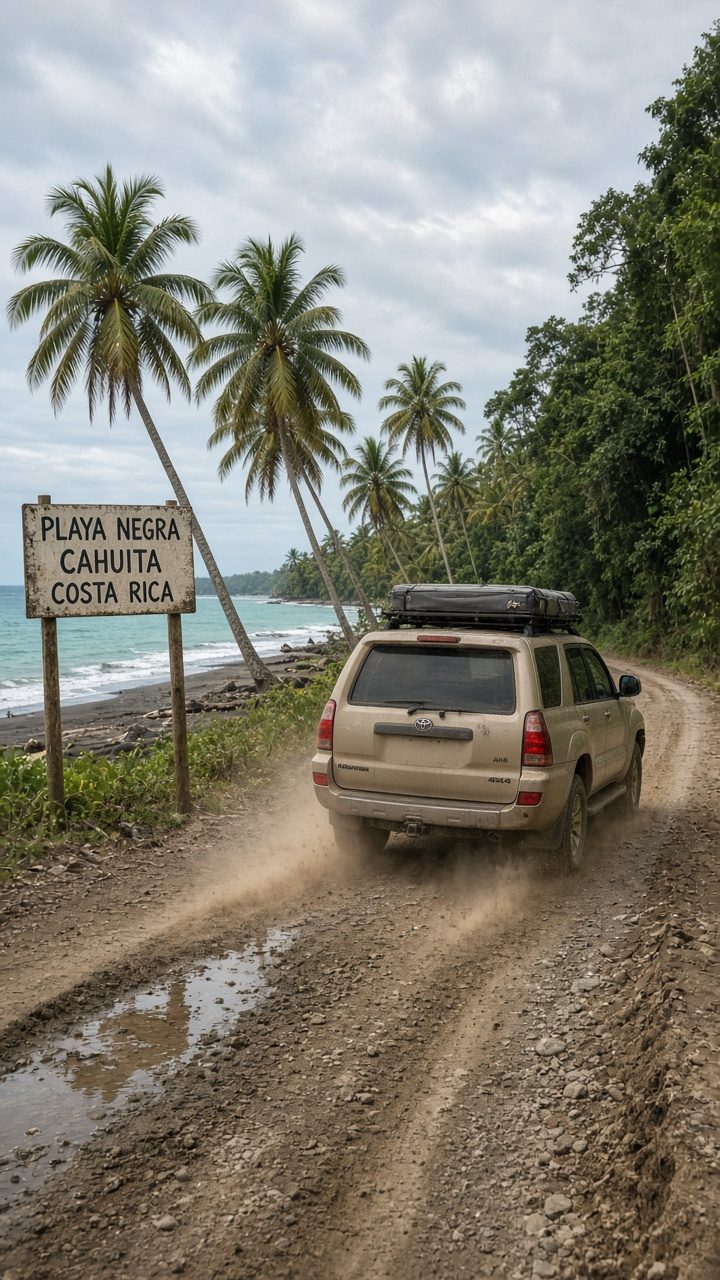
Begin at Cahuita, the quiet, romantic Afro-Caribbean village — smaller and calmer than Puerto Viejo, all palm shade and reef-protected beach. Settle in, walk the sand at golden hour, and share your first plate of coconut rice and beans. An easy, low-key first night sets the tone.
Eat: Soda Kawe or a candlelit local soda — fresh fish in coconut sauce. Sleep: Cahuita beach camping (quiet and private) — or a small Cahuita lodge if you want a roof.
Day 2 — Cahuita National Park reef snorkel
Drive: none — walk in from town.
In the dry window, the reef clears up — so this is snorkel day. Take a licensed guided boat snorkel over Cahuita's coral reef, the largest living reef in Costa Rica: rays, turtles, and coral gardens when the water's clear. Pair it with the flat shoreline trail from the Kelly Creek entrance (by donation) — sloths and monkeys within minutes, an ICT-certified guide to find them. Calm sea, easy walk, no crowds.
Eat: picnic (no plastics in the park); big plate in town after. Sleep: Cahuita beach.
Day 3 — Punta Uva
Drive: Cahuita → Punta Uva, ~40 min down the paved coast.
A full romantic day at Punta Uva, the calmest, most beautiful swimming water on the coast — glassy in the dry window, warm, and sheltered by the point. Float, snorkel the near-shore rocks, share a sunset chocolate tasting, and paddle a couples' kayak in the flat bay. This is the heart of the honeymoon: two people, warm water, and nowhere to be.
Eat: beach shack lunch; a special dinner in nearby Playa Chiquita or Puerto Viejo. Sleep: Punta Uva beachfront (the most private stretch).
Day 4 — Manzanillo dolphins + Punta Mona hike
Drive: Punta Uva → Manzanillo ~10 min (end of the pavement).
Combine the trip's one adventure with its most romantic wildlife: from Manzanillo village, take a dolphin-watching boat trip (Manzanillo is a known launch, with resident dolphins offshore) and/or hike the flat, shaded Gandoca-Manzanillo coastal jungle trail toward Punta Mona (about 5.5 km / 3.4 mi one-way to the point; the first stretch to Tom Bay is easy). Wild coast, calm coves, and the sea flashing through the trees.
Eat: fresh fish in Manzanillo (Cool & Calm Café is a local favorite — verify hours). Sleep: Punta Uva / Playa Chiquita.
Day 5 — Slow morning, daylight drive out
Drive: the coast → San José, ~5 hours; leave by late morning for daylight on Route 32.
One last calm swim at Punta Uva, then home.
Signature stops — why go
- Punta Uva — the calmest, most private, most romantic swimming water on the coast; glassy in the dry window.
- Cahuita reef snorkel — the country's largest reef, at its clearest in Feb–Mar.
- Manzanillo dolphins + Punta Mona hike — the honeymoon's shared adventure through wild coast.
- Cahuita village — the quieter, more intimate of the two coastal towns.
Where to camp & stay (named)
- Cahuita beach — quiet, private first nights near the reef.
- Punta Uva / Playa Chiquita beachfront — the most private, romantic stretch of the coast for the finale.
Logistics & road reality
- Feb–March is the reliability play — the calmest sea and most dependable sun for a trip you can't move.
- Route 32 daylight only, weather-checked, both directions.
- Book the reef snorkel and any private/couples' tours ahead — small operators, and the calm window is popular.
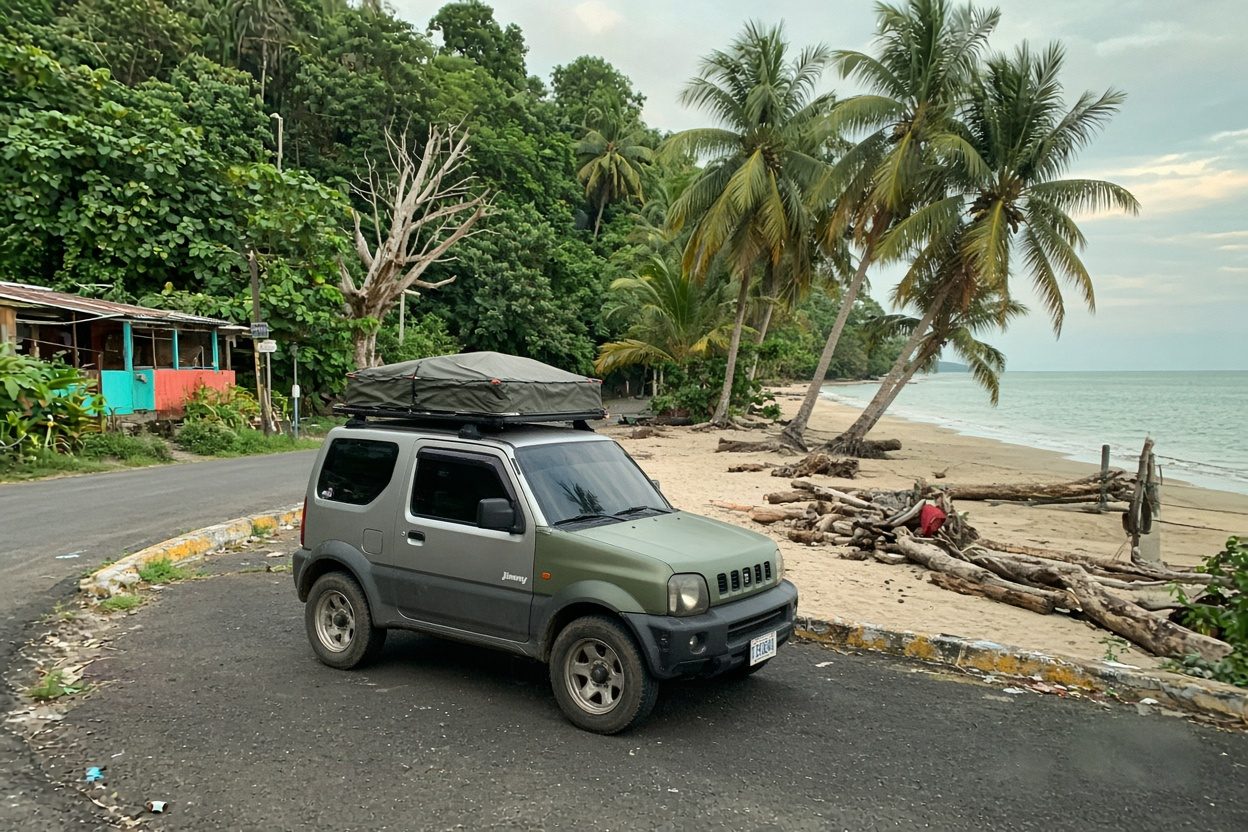
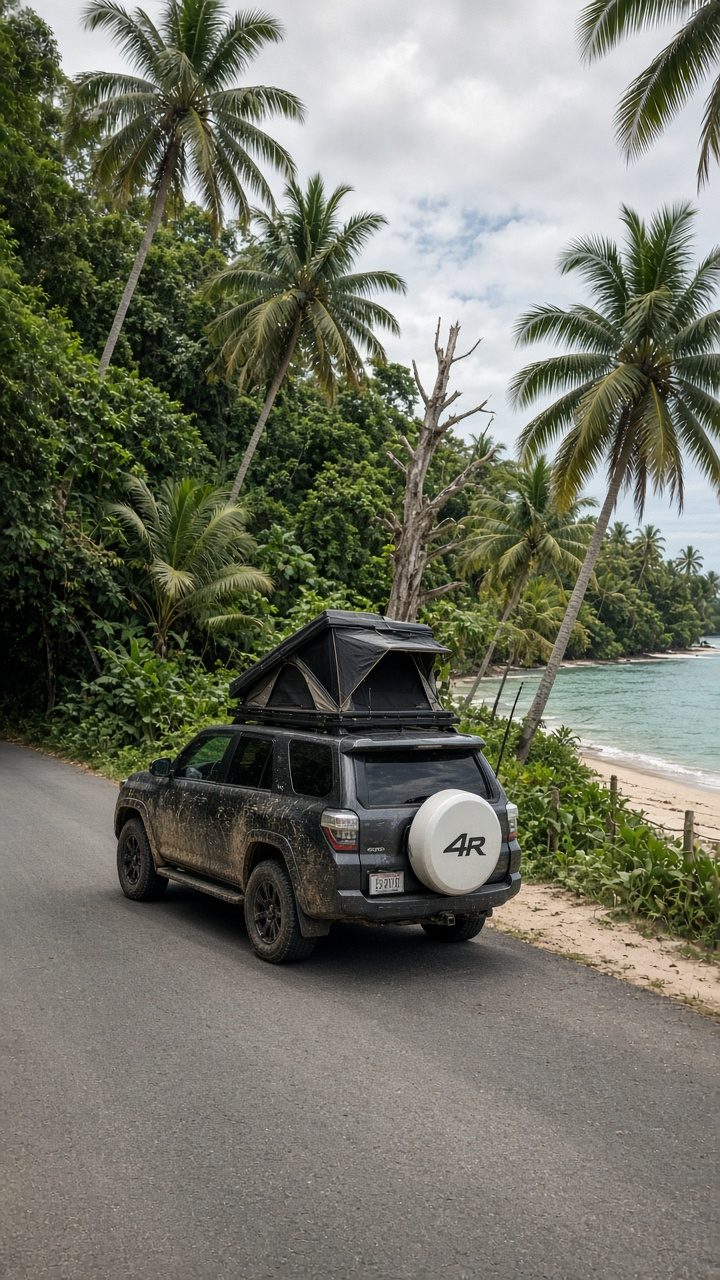
- A mid 4x4 camper gives a couple comfort and range; the coast road is paved and easy.
Insider tips
- Snorkel the reef early in the trip while a calm forecast holds — boats don't run in swell, even in the dry window.
- A private sunset kayak or chocolate tasting is inexpensive here and infinitely more romantic than a group tour — splurge on the small stuff.
- Swim Punta Uva, admire Cocles — keep the rips out of your honeymoon.
- Choose Cahuita over Puerto Viejo for the quiet nights — it's the more intimate base; dip into Puerto Viejo only for a dinner out.
- Bring reef shoes and reef-safe sunscreen — Punta Uva's rocks are great for snorkeling and the reef needs protecting.
Reserve your rig
A honeymoon you can't reschedule deserves the coast's most reliable dry window and a private base you can move between quiet beaches at will. Reserve a mid 4x4 camper, time it for the calm February–March sea, and plan Route 32 for daylight. Book your rig for the dry-window honeymoon coast.
Before you go
Do you need a 4x4?
paved all the way — 2WD ok
Best window to fly
Feb–Mar (the coast's reliable dry, calm window)
Offline first
Download your route and offline maps before you leave the lot — signal drops on the best stretches.
Golden rule
Never drive at night — plan arrivals before dark, and use Waze like the locals do.
VerifiedCR · No counter surprises
What a Costa Rica rental actually costs
The number one thing that rattles first-timers is the price jumping at the counter. Here is the honest math, before you get there.
- Advertised daily rate$12–40 / day
- What the booking sites show. It is real — but it is not the whole price. Nobody pays only this.
- Mandatory liability (TPL / SLI)+$15–25 / day
- Required by Costa Rican law on every rental. Cannot be waived. This is the line the cheap ads leave off — it roughly doubles the sticker price. Budget for it.
- Collision damage (CDW)waivable
- Often $20–40/day — but you can usually decline it if your credit card includes rental coverage (Amex, Visa Signature, Chase Sapphire and others). Call your card, ask for a coverage letter, and bring it printed.
- Security hold on your card$1,000–2,500
- A hold, not a charge — released after you return the car clean. Some agencies hold more. Make sure your card has the headroom before you fly.
The verified-rig promise: when you reserve through VerifiedCR, the rig is inspection-checked and the operator is vetted — the price you are quoted is the price you pay. No mystery line items at pickup.