At 3,820 meters, Cerro Chirripó is the highest point in Costa Rica — high enough that on a clear pre-dawn you can, on the rare perfect morning, see both the Pacific and the Caribbean from the summit. But this trip is not just a peak-bag. It wraps the two-day mountain in the quiet, farm-and-forest character of the southern highlands: the enormous San Isidro de El General farmers' market, the hot springs and cloud forest of San Gerardo de Rivas, the Tuesday feria at Tinamaste, and a finale at the cave-backed Diamante Falls. Seven days that earn the summit and then let you recover in the best of the Valle del General.
Read this part twice, because it is the entire trip's hard gate: Chirripó permits are sold only through SINAC (sinac.go.cr), they routinely sell out months in advance, and the permit is tied to a bed at Crestones Base Camp — the only legal place to sleep inside the park (there is no in-park camping). Permits release on a rolling calendar; you check obsessively and buy the instant your dates appear. Then Crestones lodging (CRC Chirripó, info@chirripo.org) emails you a separate payment link, which you must pay within about five days or the permit is canceled. Every hiker must also check in person at the San Gerardo park office by 4 p.m. the day before the climb. Miss any of these and you do not walk up the mountain. This is a 🔴 itinerary because of that logistics gauntlet as much as the terrain.
Above San Gerardo de Rivas there is no cell signal, the climb is long and cold at altitude, and mountain driving is daylight-only. Come fit, come organized, and the roof of the country is one of the great hikes in the Americas.
Day-by-Day
Day 1 · San Isidro de El General — gear, food, permit paperwork
Drive: San José → San Isidro de El General, roughly 3–3.5 hours over the Cerro de la Muerte on Route 2 — a high, foggy, switchbacking pass. Drive it in the morning; afternoon cloud and trucks make it slow. 🟡
San Isidro is the hub. Hit the Feria del Agricultor (the big farmers' market) for trail food, confirm your gear, and organize the last details of your permit and Crestones payment. Sleep here or push on toward the mountain.
Day 2 · San Gerardo de Rivas — acclimatize & check in
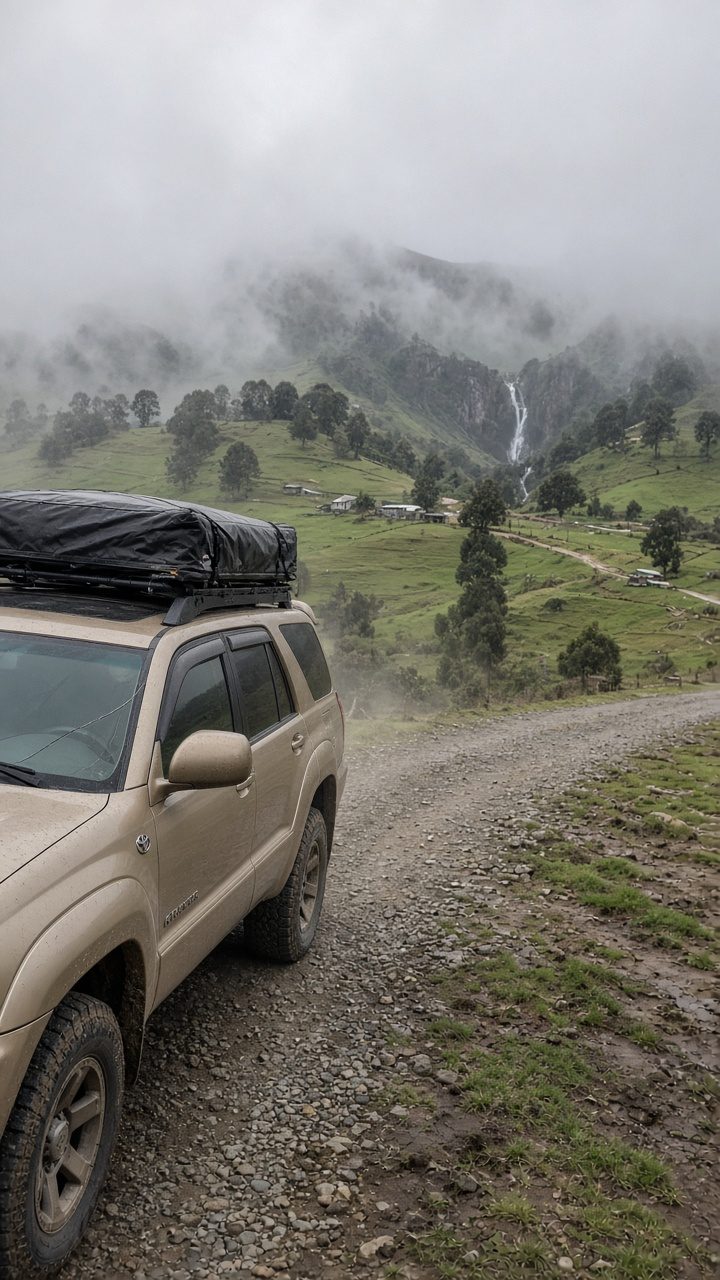
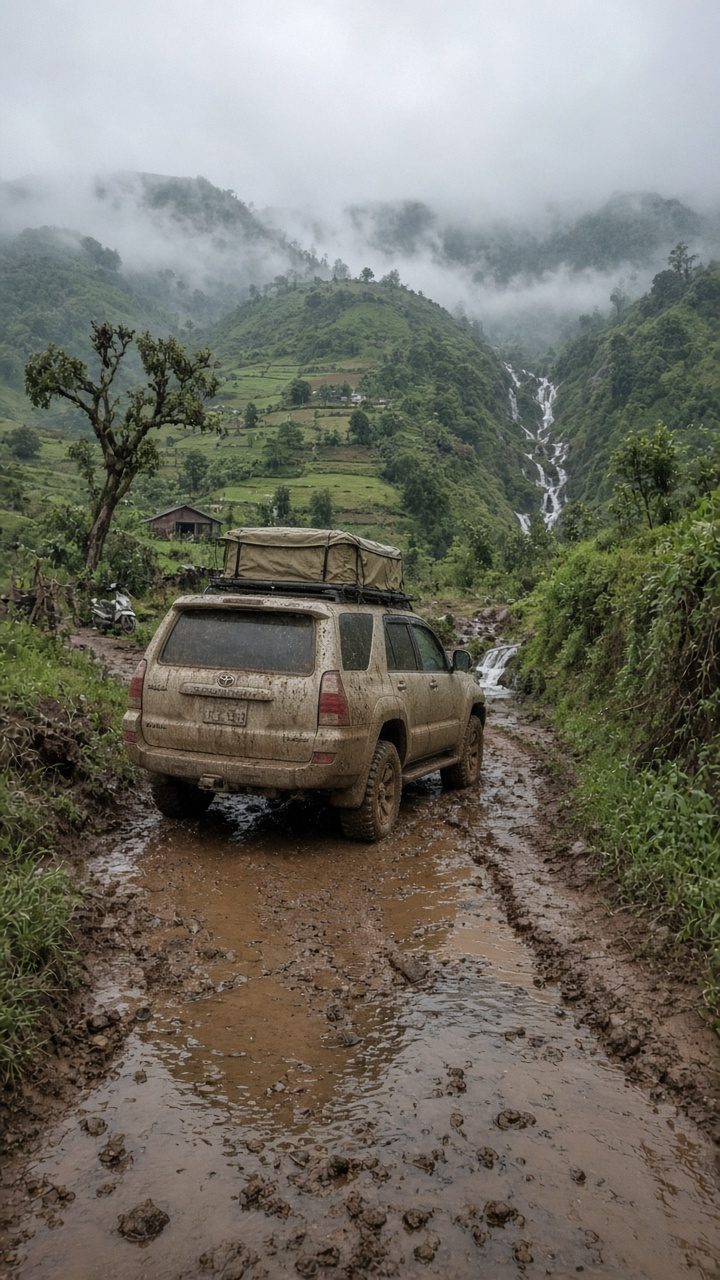
Drive: San Isidro → San Gerardo de Rivas, about 20 km / 1–1.5 hours; the last stretch is steep, narrow, and rough — a real 4x4 helps and daylight is essential. 🔴
This is the trailhead village. Check in at the San Gerardo park office by 4 p.m. (required — do it today, not on climb morning). Spend the rest of the day gently: a short warm-up walk toward Cloudbridge Nature Reserve, and an evening soak at the San Gerardo hot springs. Sleep low and hydrate — you're at altitude tomorrow.
Sleep: San Gerardo cabinas / your rig at a village lodge. Eat: village sodas; the trout-farm restaurants are a local favorite.
Days 3–4 · The summit — Crestones Base Camp & Cerro Chirripó
The hike: ~14.5 km from San Gerardo up to Crestones Base Camp on day one — a relentless, well-marked climb through changing life zones (base camp reservation = your permit). Overnight at Crestones (the only legal in-park bed; bring or arrange a sleeping bag — CRC Chirripó rents bags/towels and can arrange meals). 🔴
Summit day: pre-dawn start for the final push past the Valle de los Conejos to the 3,820 m summit for sunrise, then descend all the way back to San Gerardo. It is a long, cold, big-elevation day — layers, headlamp, and water are non-negotiable. Recover that evening in the San Gerardo hot springs.
Day 5 · Cloudbridge — cloud-forest birding, low and slow
A rest-legs day. Walk the Cloudbridge Nature Reserve trails (donation entry) for quetzals and highland endemics, or simply soak and sleep. Your body will thank you.
Day 6 · Tinamaste — the Tuesday feria & ridge farms
Drive: down toward the Tinamaste/Platanillo ridge, roughly 1–1.5 hours. Time this for a Tuesday if you can — the Tinamaste feria (Tuesday, roughly 8 a.m.–1 p.m.) is the region's charismatic organic market and the social heart of the "off-grid" ridge community. Browse, eat, and take in the valley views.
Day 7 · Diamante Falls & exit
Drive/hike: From the San Isidro/Platanillo side, visit Catarata Diamante — one of the tallest waterfalls in Costa Rica, with a cave behind the curtain of water (🔴 the full experience is a long, strenuous, guide-advised descent; day-visitors can view the falls from the standard access — verify current access and guide requirements locally). Then begin the drive out toward San José or the coast.
Signature Stops — Why Go
- Cerro Chirripó summit (3,820 m) — the highest point in Costa Rica; on a clear morning, two oceans from one peak.
- Crestones Base Camp — sleeping above the treeline among the páramo and the Crestones rock formations is a bucket-list night in itself.
- San Gerardo hot springs — volcanic-fed soaks that make summit-day legs bearable.
- Diamante Falls — a genuine cave behind one of the country's tallest cascades (guided).
- San Isidro & Tinamaste ferias — the southern highlands' farm culture at its most vivid.
Where to Stay (named)
- San Isidro de El General: town lodging near the feria.
- San Gerardo de Rivas: trailhead cabinas and lodges; rig-friendly pull-offs at village lodges.
- Inside the park: Crestones Base Camp only — reserved with your SINAC permit; no in-park camping.
- Tinamaste ridge: off-grid farm-stays (book direct; verify names locally).
Logistics & Road Reality
- Permit — the hard gate: Chirripó permits come only from sinac.go.cr, sell out months ahead, and are tied to a Crestones bed. After buying, pay Crestones (info@chirripó.org / +506 2742-5200) within ~5 days. Every hiker checks in at San Gerardo by 4 p.m. the day before. 🔴
- Vehicle: 🔴 A mid 4x4 with real clearance for the San Gerardo approach; the Cerro de la Muerte pass is paved but demanding.
- Comms: No cell signal above San Gerardo. Sort every logistical detail before you leave the village.
- Altitude & cold: Summit temps can hover near freezing at dawn. Layers, headlamp, gloves, and enough water are essential.
- Driving: Mountain roads are foggy and landslide-prone — daylight only.
- Season: Dec–Apr for the most reliable summit weather; green season means fuller waterfalls but more mud, cloud, and landslide risk.
Insider Tips
- Set a SINAC account up now and watch the calendar daily. The permit is the whole trip; everything else is easy by comparison.
- Don't try to check in the day you land in-country. Costa Rican travel times run long — arrive in San Gerardo with a full day to spare before the 4 p.m. cutoff.
- Acclimatize on purpose. A gentle Cloudbridge walk and a low-sleeping night in San Gerardo genuinely improve summit day.
- Book porters and Crestones meals in advance if you want them — it turns a brutal climb into a merely hard one.
- Confirm Diamante Falls access locally. The cave-behind-the-falls experience is guided, strenuous, and conditions-dependent — treat the standard viewpoint as the default.
Reserve Your Rig
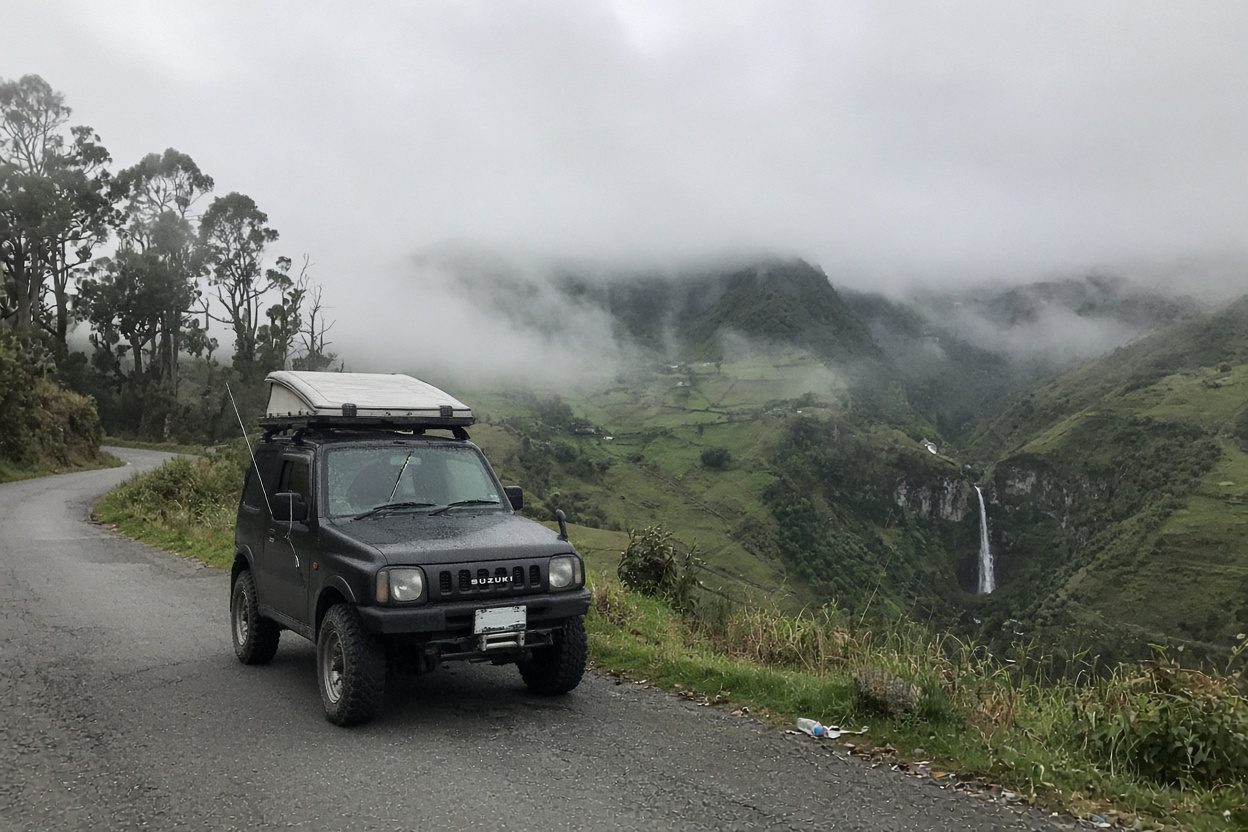
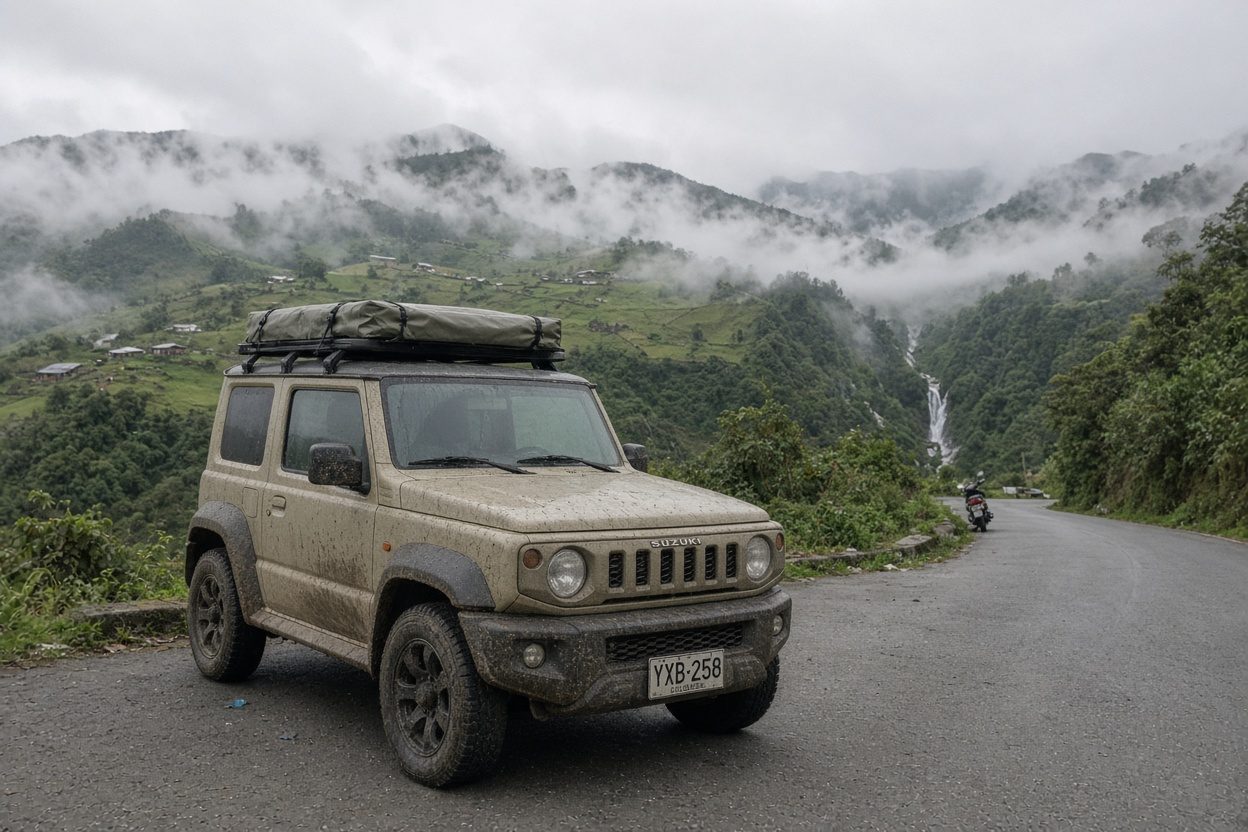
Chirripó is a permit-and-logistics puzzle as much as a hike, and the last thing you want is a vehicle that can't handle the San Gerardo approach or the Cerro de la Muerte pass. VerifiedCR sets you up with a mid 4x4 built for the southern highlands, plus the support that de-risks the mountain: a permit-booking assist (the single most valuable thing we do on this route), altitude and cold-weather gear, feria-timing notes, and hot-springs recovery recommendations for after you descend. Tell us your target summit date and we'll build the seven days around it. Reserve your rig and climb the roof of Costa Rica.
Before you go
Do you need a 4x4?
4x4 required
Best window to fly
Dec–Apr (dry) — summit weather most reliable
Offline first
Download your route and offline maps before you leave the lot — signal drops on the best stretches.
Golden rule
Never drive at night — plan arrivals before dark, and use Waze like the locals do.
VerifiedCR · No counter surprises
What a Costa Rica rental actually costs
The number one thing that rattles first-timers is the price jumping at the counter. Here is the honest math, before you get there.
- Advertised daily rate$12–40 / day
- What the booking sites show. It is real — but it is not the whole price. Nobody pays only this.
- Mandatory liability (TPL / SLI)+$15–25 / day
- Required by Costa Rican law on every rental. Cannot be waived. This is the line the cheap ads leave off — it roughly doubles the sticker price. Budget for it.
- Collision damage (CDW)waivable
- Often $20–40/day — but you can usually decline it if your credit card includes rental coverage (Amex, Visa Signature, Chase Sapphire and others). Call your card, ask for a coverage letter, and bring it printed.
- Security hold on your card$1,000–2,500
- A hold, not a charge — released after you return the car clean. Some agencies hold more. Make sure your card has the headroom before you fly.
The verified-rig promise: when you reserve through VerifiedCR, the rig is inspection-checked and the operator is vetted — the price you are quoted is the price you pay. No mystery line items at pickup.