Costa Rica packs more biodiversity per square kilometer than almost anywhere on Earth, but the animals are not evenly spread — they're concentrated in three very different worlds. The cloud forest of Monteverde hides resplendent quetzals in the mist. The rainforest and canals of Sarapiquí and Tortuguero hold sloths, manatees, caimans, and — in season — nesting green turtles. And the lowland jungle of the Osa Peninsula and Corcovado shelters the country's densest wildlife: tapirs, all four monkey species, scarlet macaws, and jaguar. This loop chains all three, plus a marine day at Caño Island, into one 14-day arc.
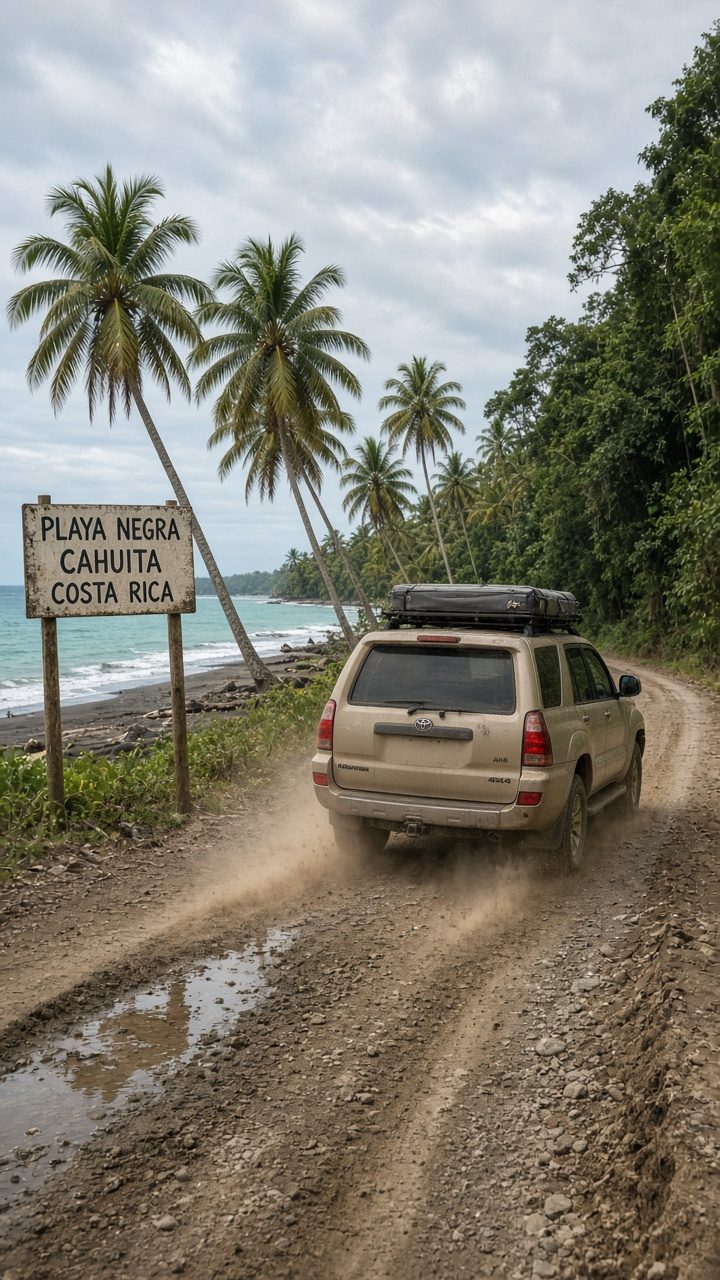
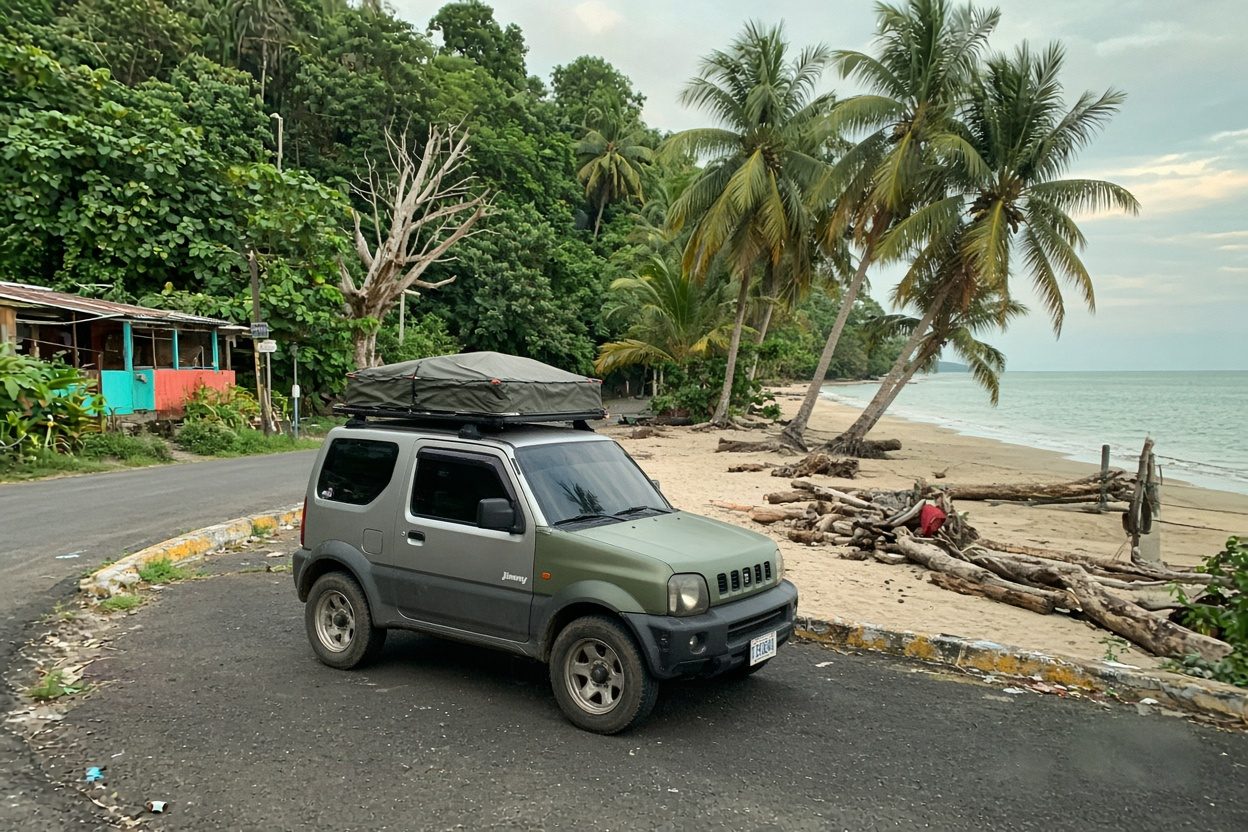
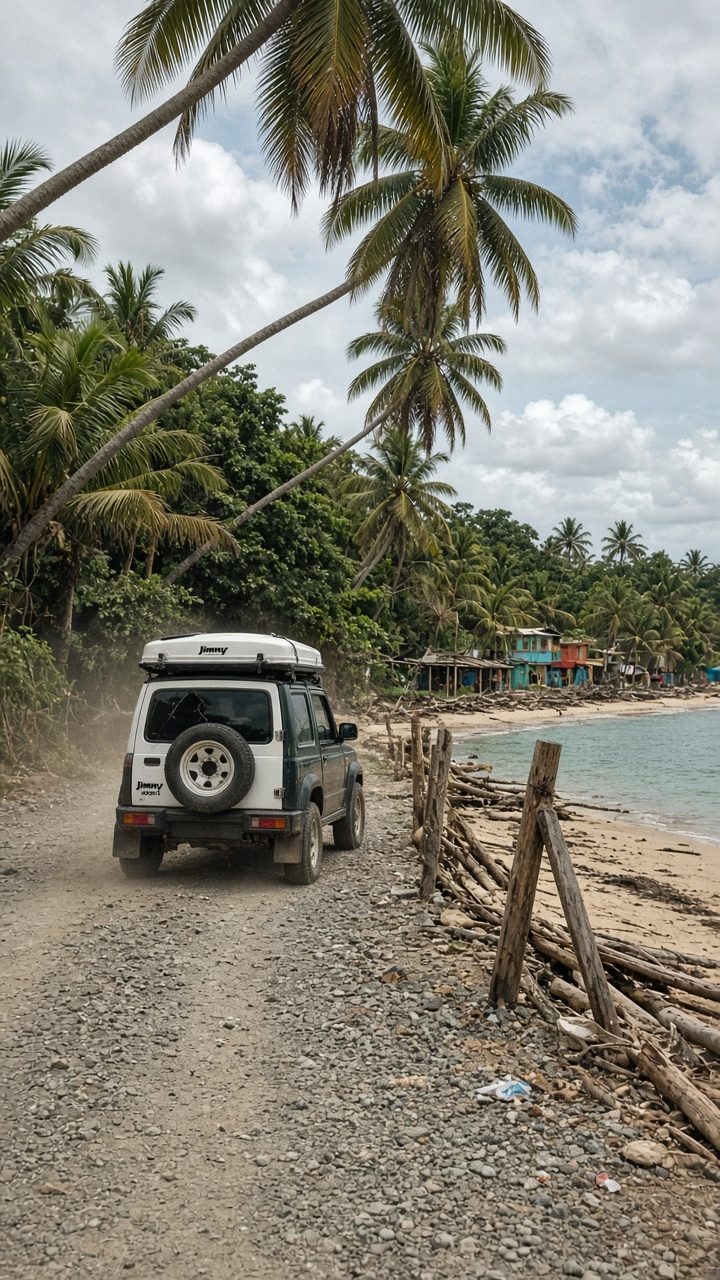
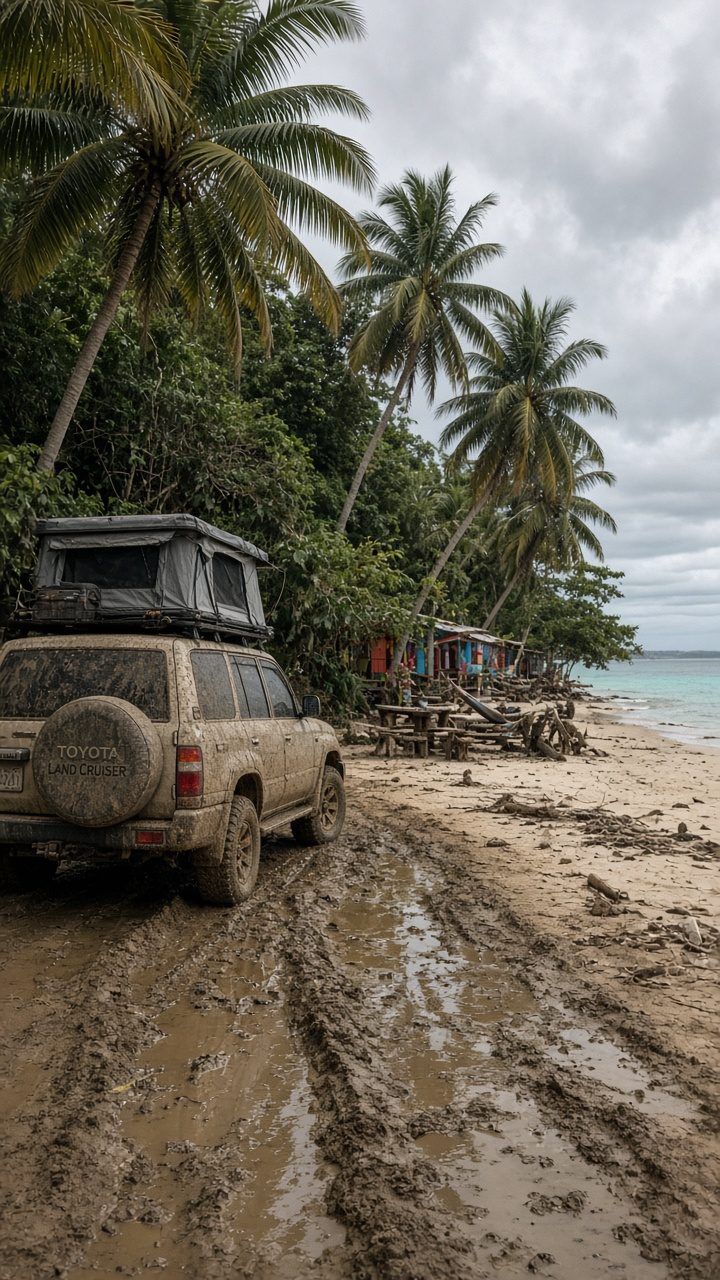
Be clear-eyed: this is a wildlife trip, not an easy one. It involves long transit days across the country, a boat leg to Tortuguero (where no road reaches), and a guided park day in Corcovado that must be booked and permitted in advance. A mid-size 4x4 handles the paved highways and the gravel finish to Monteverde; if you're traveling in the shoulder season or attempting Drake Bay by land, step up to a Land Cruiser.
Time it for December–April for the best driving and cloud-forest visibility. If turtles are your priority, note that Tortuguero's green turtles nest roughly July–November (peak Aug–Sep) — a green-season variant of this loop can be built around that, at the cost of wetter Osa roads.
Day-by-Day
Days 1–2 — Monteverde (cloud forest & quetzals)
Drive: SJO → Santa Elena/Monteverde, ~3.5–4 hrs, paved until a 🟡 rough gravel finish (mid 4x4 earns its keep here). Bird the Curi-Cancha Reserve at dawn — its mix of primary forest, secondary forest, and open pasture makes it one of the most reliable resplendent-quetzal spots (quetzal breeding season runs roughly Feb–Jun; sightings are best then but possible year-round with a guide). Add the Monteverde or Santa Elena cloud-forest reserve, hanging bridges, and a night walk. Sleep: Santa Elena/Monteverde lodges — book direct.
Days 3–4 — Sarapiquí (lowland rainforest)
Drive: descend to Puerto Viejo de Sarapiquí, ~4–4.5 hrs (paved; scenic through the northern lowlands). Walk La Selva Biological Station (OTS) at dawn for one of the country's best bird lists, and Tirimbina for a rainforest-and-chocolate combo and a herping night walk. Sleep: Sarapiquí eco-lodges (no confirmed overland camp partner here — book a lodge; verify locally).
Days 5–6 — Tortuguero (canals by boat)
Drive: to La Pavona, ~3–3.5 hrs, where the road ends. Park the vehicle at La Pavona and take the public lancha to Tortuguero village — departures run roughly 6:00, 7:30, 9:00, 11:00 a.m. and 1:00, 3:00, 4:30 p.m. (public boat about ₡6,000 one-way; confirm current times/price). No road reaches Tortuguero. Do a dawn canal tour by boat or kayak for manatees, caimans, monkeys, and river otters; in season (Jul–Nov) add a licensed night turtle walk. Sleep: Tortuguero village lodges (no vehicle — everything is on foot or by boat).
Days 7–8 — Spine transit to the Pacific south
Drive: boat back to La Pavona, then the long haul across the country toward the Osa — realistically split as an overnight near San José or the Central Pacific, then on to Sierpe/Puerto Jiménez (two long driving days; budget 6–8 hrs each). This is the connective slog; treat it as travel days.
Days 9–12 — Osa: Drake Bay, Corcovado & Caño Island
Drive/access: base in Drake Bay — reachable by land on the bridged Rincón–Drake road (🟡 4x4, roughest Sept–Dec; easiest Dec–Apr — verify road status locally), or by boat from Sierpe. Note Drake Bay has no ATM and no gas — bring cash and arrive fueled.
- Corcovado day: a guided tour to the Sirena or San Pedrillo sector. ⚠️ A SINAC entry permit (~$18/person/day) and a certified ICT-registered guide are MANDATORY — arrange the permit + guide package in advance. This is the wildlife climax: tapir, macaws, peccary, monkeys, jaguar sign.
- Caño Island day: boat out to the Caño Island Biological Reserve for snorkeling or diving (turtles, rays, reef fish; visibility varies with currents and rain — best in the dry months). Marine-reserve rules apply; go with a permitted operator. Sleep: Drake Bay cabinas and eco-lodges — book ahead.
Days 13–14 — Exit
Drive: out via Puerto Jiménez or back through Sierpe to the highway, then to SJO — a full transit day (~7–8 hrs). Fuel in Puerto Jiménez or Chacarita; don't leave the peninsula low.
Signature Stops (Why Go)
- Curi-Cancha Reserve, Monteverde — top-tier quetzal odds in breeding season.
- La Selva (Sarapiquí) — a birding legend; hundreds of species on flat trails.
- Tortuguero canals — Amazon-style waterways reachable only by boat.
- Corcovado (Sirena/San Pedrillo) — the densest wildlife in Costa Rica, guided.
- Caño Island — the marine bookend: reef, rays, and turtles.
Where to Stay (Named)
- Monteverde/Santa Elena cloud-forest lodges.
- Sarapiquí eco-lodges (La Selva/Tirimbina area).
- Tortuguero village (boat-in, no vehicle).
- Drake Bay cabinas and eco-lodges (cash only — no ATM).
Logistics & Road Reality
- 🟢 Highways between zones are paved; 🟡 the Monteverde finish and the Rincón–Drake road are gravel/4x4 (Drake roughest Sept–Dec — verify locally).
- Tortuguero: the vehicle stays at La Pavona; you continue by public lancha on the fixed schedule. Book night turtle walks with a licensed guide (Jul–Nov).
- Corcovado: entry permit + certified guide mandatory; no independent entry. Book the package before you travel.
- Fuel & cash: Drake Bay has neither — provision in Puerto Jiménez/Sierpe/Chacarita. Carry cash for the peninsula.
- Season: Dec–Apr for dry roads and clear cloud forest; a Jul–Nov variant times Tortuguero's green-turtle nesting but brings wetter Osa roads (go Land Cruiser).
Insider Tips
- Hire a private bird guide at Curi-Cancha at dawn — quetzal sightings hinge on knowing the fruiting aguacatillo trees, which a guide tracks daily.
- Take the earliest La Pavona boat you can — the 6:00 or 7:30 a.m. lancha buys you a full first day of canal wildlife.
- Book Corcovado's guide + permit weeks ahead, especially for Sirena; day-of entry is not possible.
- Carry Drake Bay cash from Puerto Jiménez or Sierpe — the "no ATM" warning is real and strands people every week.
- Bring a fast lens and a rain cover. Cloud forest and Corcovado are dark and wet; the best sightings happen in low light or drizzle.
Reserve Your Rig
This loop wants a VerifiedCR mid 4x4 for the Monteverde gravel and the long transits — and a Land Cruiser if you're chasing the green-turtle season or driving into Drake Bay in the shoulder months. VerifiedCR can help coordinate the La Pavona parking, the Tortuguero boat, and the Corcovado permit + guide booking that make this route work. Reserve early for Dec–Apr. [Reserve your VerifiedCR 4x4 →]
Before you go
Do you need a 4x4?
4x4 required
Best window to fly
Dec–Apr (dry roads; green-turtle overlap Jul–Nov if timed for Tortuguero)
Offline first
Download your route and offline maps before you leave the lot — signal drops on the best stretches.
Golden rule
Never drive at night — plan arrivals before dark, and use Waze like the locals do.
VerifiedCR · No counter surprises
What a Costa Rica rental actually costs
The number one thing that rattles first-timers is the price jumping at the counter. Here is the honest math, before you get there.
- Advertised daily rate$12–40 / day
- What the booking sites show. It is real — but it is not the whole price. Nobody pays only this.
- Mandatory liability (TPL / SLI)+$15–25 / day
- Required by Costa Rican law on every rental. Cannot be waived. This is the line the cheap ads leave off — it roughly doubles the sticker price. Budget for it.
- Collision damage (CDW)waivable
- Often $20–40/day — but you can usually decline it if your credit card includes rental coverage (Amex, Visa Signature, Chase Sapphire and others). Call your card, ask for a coverage letter, and bring it printed.
- Security hold on your card$1,000–2,500
- A hold, not a charge — released after you return the car clean. Some agencies hold more. Make sure your card has the headroom before you fly.
The verified-rig promise: when you reserve through VerifiedCR, the rig is inspection-checked and the operator is vetted — the price you are quoted is the price you pay. No mystery line items at pickup.