The southern highlands are a birder's cross-section of Costa Rica: from mid-elevation valley forest full of tanagers and toucanets up to the high oak cloud forest where the resplendent quetzal nests. This gentle five-day route links the region's best reserves — starting at Los Cusingos, the refuge of legendary ornithologist Alexander Skutch, and finishing on a spur up to San Gerardo de Dota, arguably the single best quetzal-spotting valley in the country. Low intensity, high reward, with a bird list that can top 200 species if you time it right.
⚠️ Timing matters. Resplendent quetzals are most reliably seen during their breeding season, roughly February–June, when they feed on fruiting wild avocados (aguacatillo). Outside that window they're harder to find. Plan accordingly.
Day 1 — San Isidro → Los Cusingos
Base in San Isidro de El General, then drive to Los Cusingos near Quizarra — the former home and farm of naturalist Alexander Skutch, now a 192-acre bird refuge run by the Tropical Science Center. Open daily 7 a.m.–4 p.m., entry around $20 for foreign adults; birding-focused early hours can be arranged ahead. Skutch protected this primary forest for a lifetime, and it shows — fiery-billed aracaris (the "cusingos" it's named for), tanagers, manakins, and more. Take a guided morning walk for the best list.
Sleep: cabina near Quizarra or back in San Isidro.
Day 2 — Centro Biológico Las Quebradas
Head to the community-run Centro Biológico Las Quebradas (FUDEBIOL), about 3 km uphill from the village of Quebradas near San Isidro — a protected watershed reserve climbing from ~1,000 to ~2,500 m, with 4+ km of guided mountain trails. It's quieter and less-known than Los Cusingos, protecting San Isidro's water source, and the elevation gradient means a different bird community as you climb. Go with a guide to make the most of it.
Sleep: San Isidro or a valley farm-stay.
Day 3 — San Gerardo de Rivas + Cloudbridge dawn
Drive up to San Gerardo de Rivas (45 min–1 hr) and spend a dawn at Cloudbridge Nature Reserve just above the village (open 7 a.m.–4 p.m.; day fee around ₡6,000 foreigners). This reforestation reserve's trails climb into montane cloud forest — hummingbirds, highland tanagers, and quetzals in season, with waterfalls as a bonus. Cap the day with a soak at San Gerardo's Aguas Termales ($7).
Sleep: cabina in San Gerardo de Rivas.
Day 4 — Spur to Los Quetzales NP / San Gerardo de Dota
Take the highlands spur north up the Pan-American (Route 2) over the Cerro de la Muerte and down into San Gerardo de Dota / the Savegre valley — the country's premier resplendent quetzal destination and the gateway to Los Quetzales National Park (entry around $10 + tax). In breeding season the odds here are excellent; a local guide who knows the current nest and fruiting trees dramatically improves your chances. The high oak forest also holds sooty thrushes, flame-throated warblers, and the endemic volcano junco higher up.
⚠️ This is an adjacent-highlands spur, not the same valley — it means a longer, foggier drive up and over the Cerro de la Muerte (summit ~3,335 m). Drive it in daylight only; the fog and trucks make it the region's most demanding paved road.
Sleep: a Savegre-valley lodge in San Gerardo de Dota (book direct).
Day 5 — Dawn in Dota, then return
Take one more dawn walk in the Savegre valley — quetzal activity peaks early — then descend and return to San Isidro or continue onward. Five days, four distinct forest zones, and one of the best highland bird lists in Costa Rica.
Signature stops — why go
- Los Cusingos. Alexander Skutch's living legacy — primary forest and elite mid-elevation birding.
- San Gerardo de Dota / Los Quetzales NP. The country's top resplendent-quetzal valley in breeding season.
- Cloudbridge & Las Quebradas. Two quieter reserves that fill out the elevation gradient and the bird list.
Where to camp / stay (named)
- San Gerardo de Rivas: Casa Mariposa / Hotel Uran.
- San Gerardo de Dota: Savegre-valley lodges (Savegre, Trogon, Suria — book direct).
- Valley base: San Isidro cabinas or Quizarra near Los Cusingos.
Logistics & road reality
- Fuel: Fill in San Isidro; also fuel before the Dota spur — the Cerro de la Muerte is a long haul. 🟡
- 4x4: Compact 4x4 is fine; the Dota access road is steep but paved. 🟢
- Season: Feb–Jun for quetzal breeding; dry-season mornings are clearest. 🟢
- Permits: None special; Los Quetzales NP charges entry, Los Cusingos and reserves want advance booking. 🟢
- Connectivity: Thin in San Gerardo (both) and on the Cerro de la Muerte. 🟡
- Safety: Daylight-only driving over the Cerro de la Muerte — fog, trucks, and altitude make dusk genuinely dangerous. 🔴
Insider tips
- Come in quetzal season (Feb–Jun) or accept much lower odds — the whole route peaks then.
- Hire local bird guides, especially in Dota; they track the current nests and fruiting trees and turn a maybe into a sighting.
- Everything is a dawn game — plan to be on trail at opening at every reserve.
- Treat the Dota spur as its own mini-trip — it's a real drive up and over the mountain, not a quick side road.
- Pack for cold, wet mornings at Cloudbridge and Dota; the highlands are chilly at dawn even in the dry season.
Reserve your rig
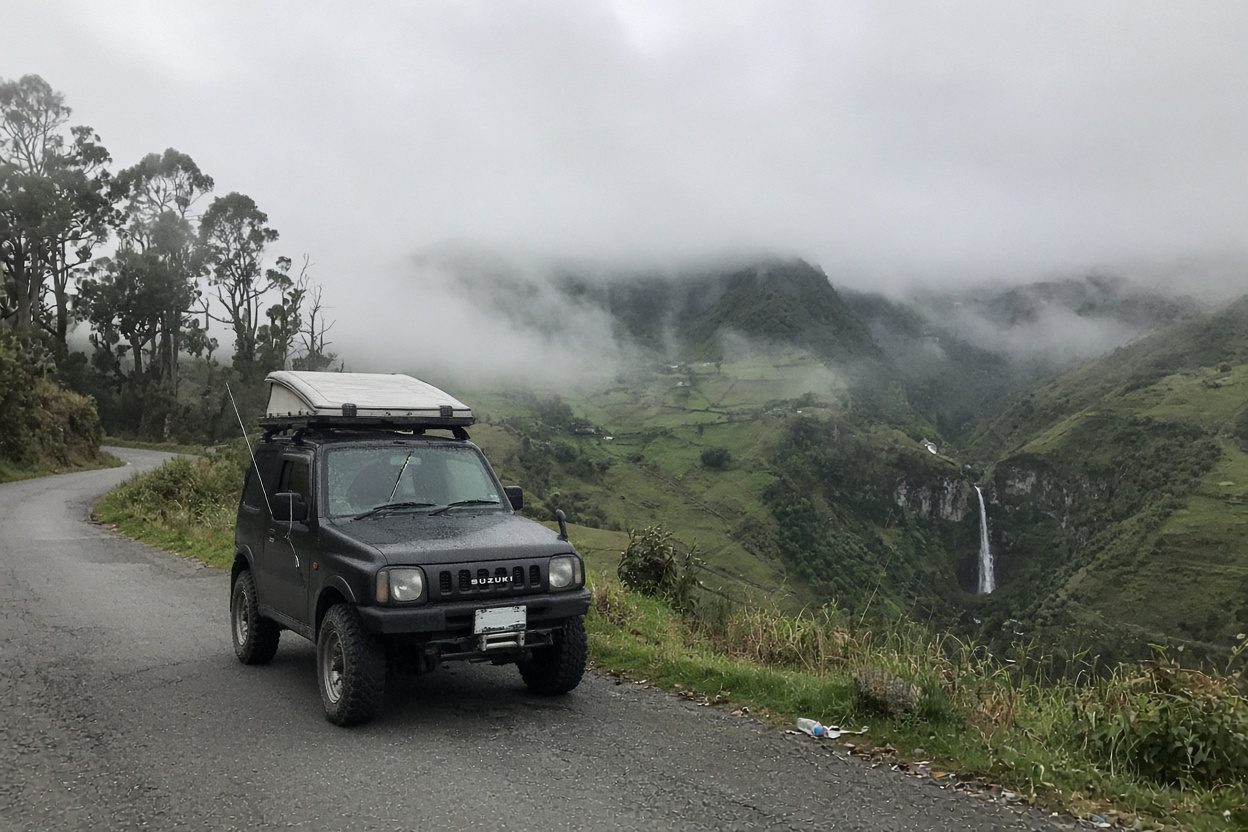
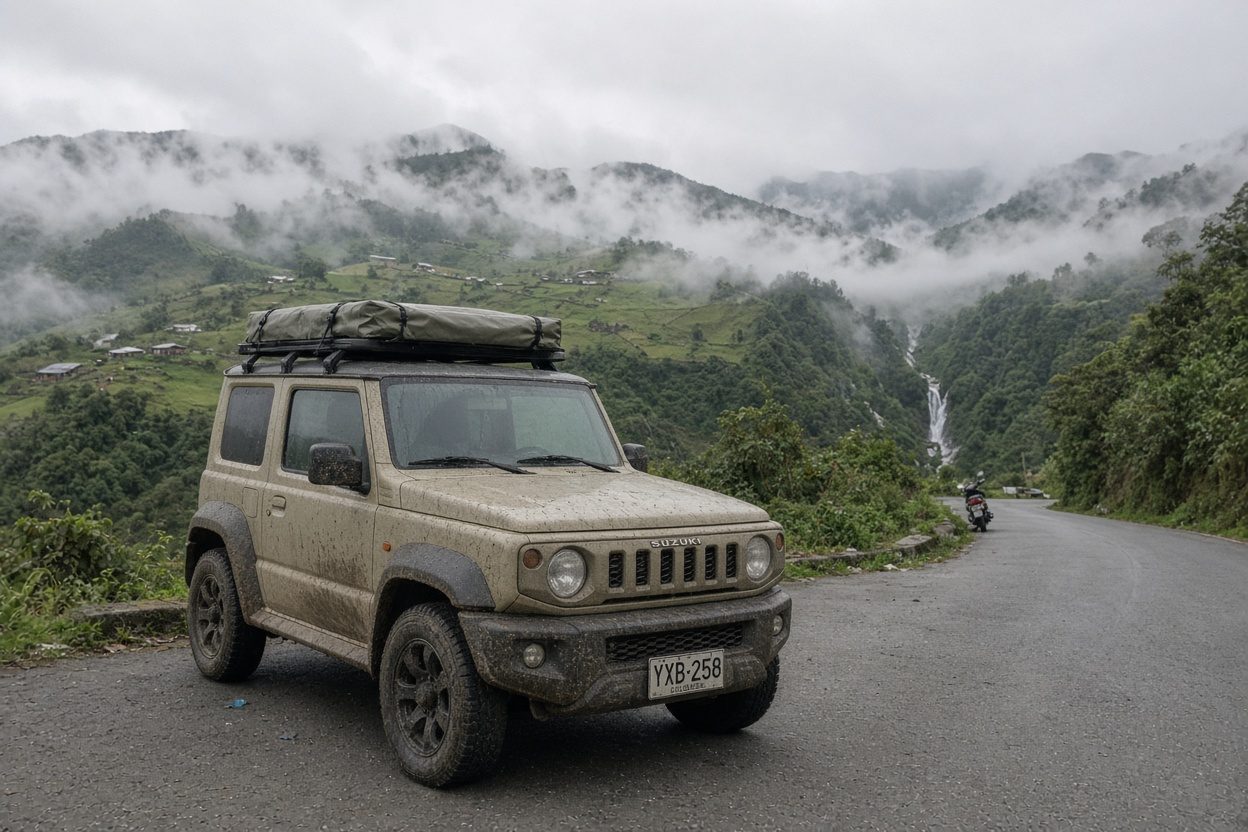
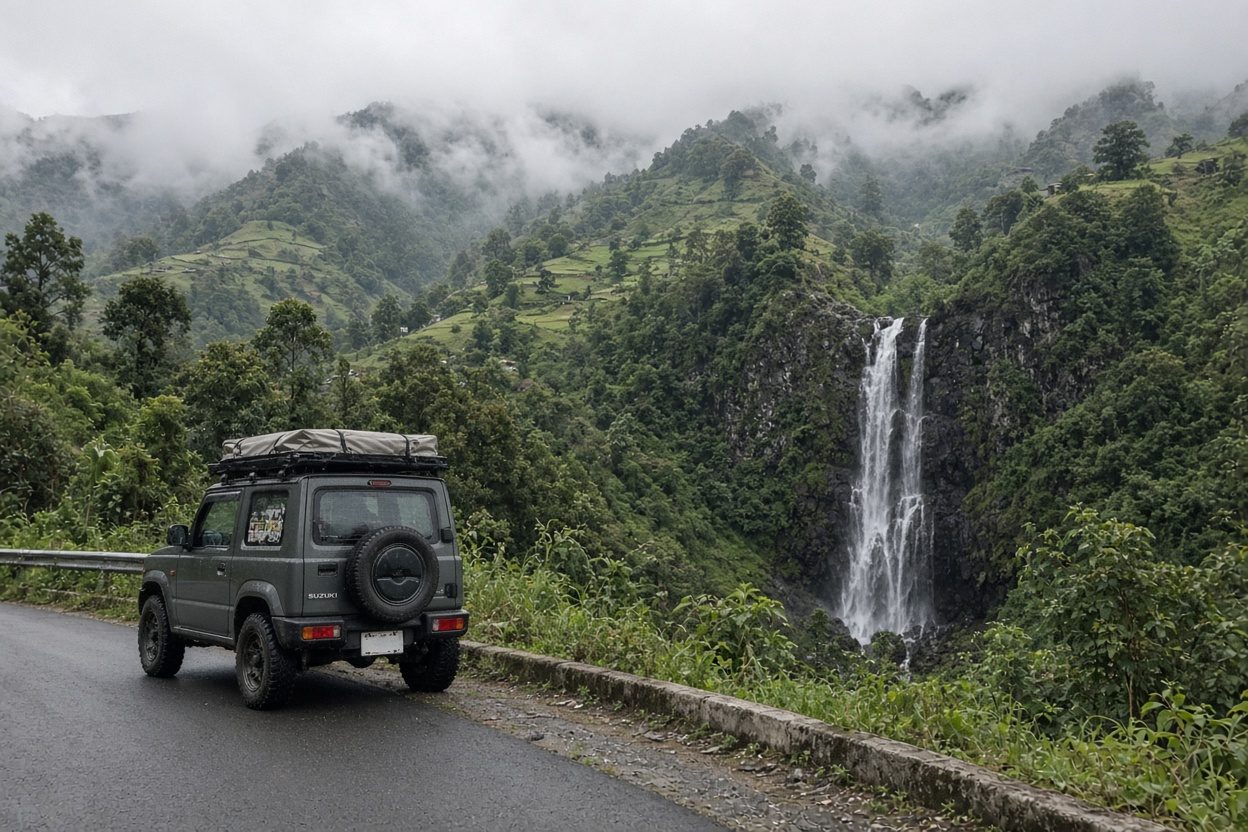
A quiet, economical compact 4x4 that sips fuel on the long Cerro de la Muerte haul and takes the Dota access road in stride is exactly what a birding week wants. We can pair it with local birding-guide introductions, scope rental, and a dawn-access schedule. Reserve your birding rig and go find the quetzal.
Before you go
Do you need a 4x4?
gravel sections — 2WD ok in dry season
Best window to fly
Quetzal breeding ~Feb–Jun (dry-season clarity)
Offline first
Download your route and offline maps before you leave the lot — signal drops on the best stretches.
Golden rule
Never drive at night — plan arrivals before dark, and use Waze like the locals do.
VerifiedCR · No counter surprises
What a Costa Rica rental actually costs
The number one thing that rattles first-timers is the price jumping at the counter. Here is the honest math, before you get there.
- Advertised daily rate$12–40 / day
- What the booking sites show. It is real — but it is not the whole price. Nobody pays only this.
- Mandatory liability (TPL / SLI)+$15–25 / day
- Required by Costa Rican law on every rental. Cannot be waived. This is the line the cheap ads leave off — it roughly doubles the sticker price. Budget for it.
- Collision damage (CDW)waivable
- Often $20–40/day — but you can usually decline it if your credit card includes rental coverage (Amex, Visa Signature, Chase Sapphire and others). Call your card, ask for a coverage letter, and bring it printed.
- Security hold on your card$1,000–2,500
- A hold, not a charge — released after you return the car clean. Some agencies hold more. Make sure your card has the headroom before you fly.
The verified-rig promise: when you reserve through VerifiedCR, the rig is inspection-checked and the operator is vetted — the price you are quoted is the price you pay. No mystery line items at pickup.