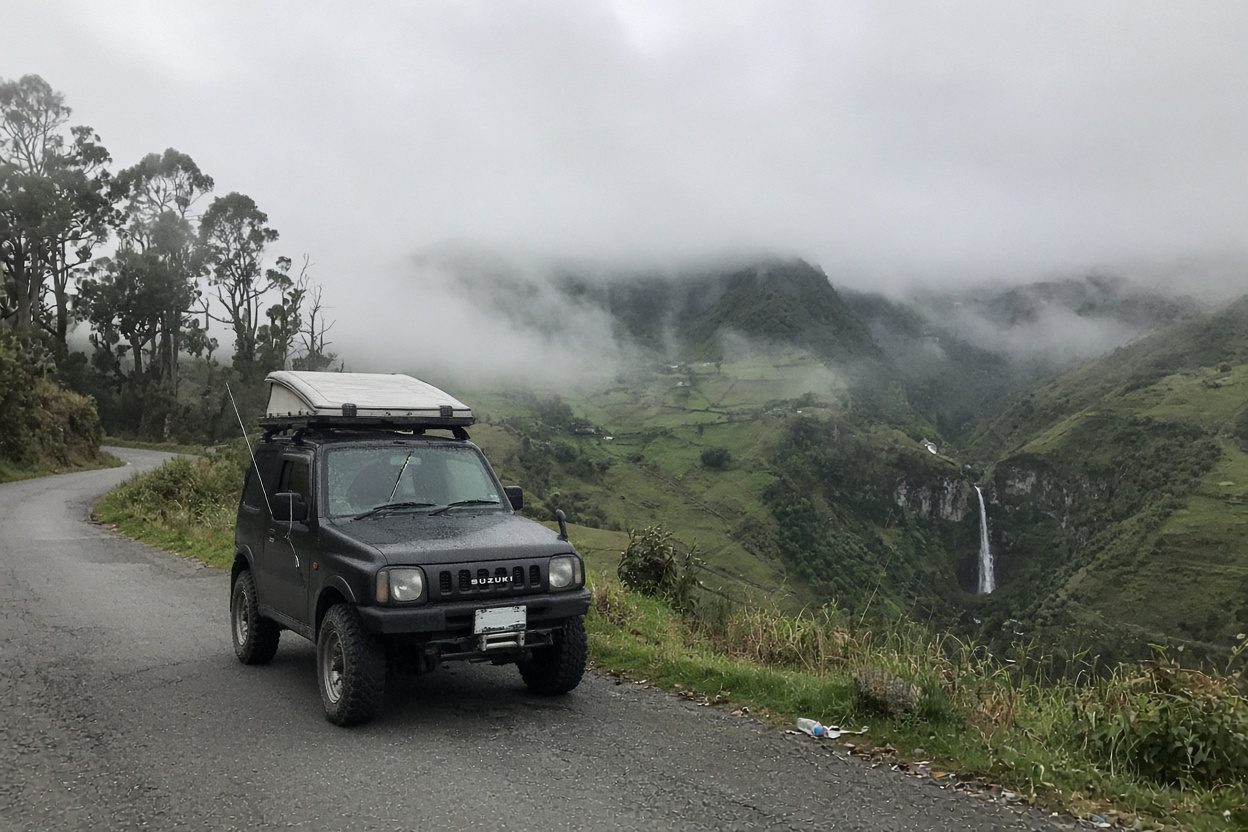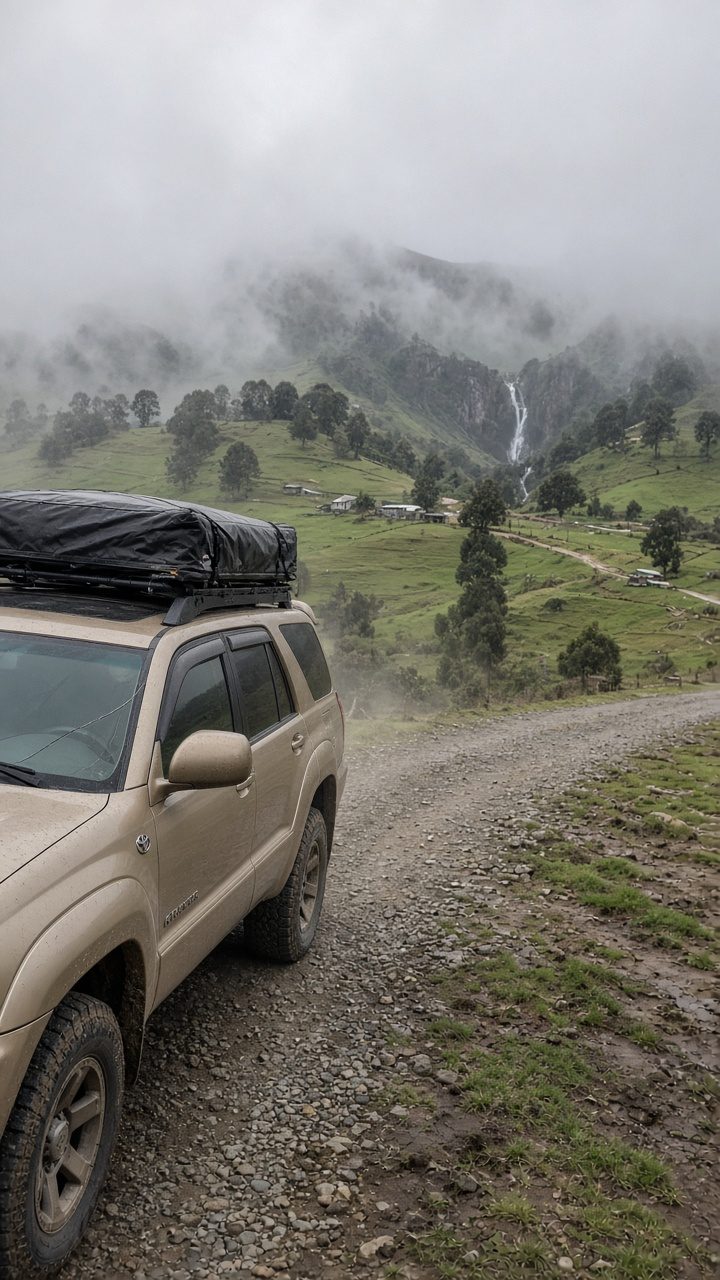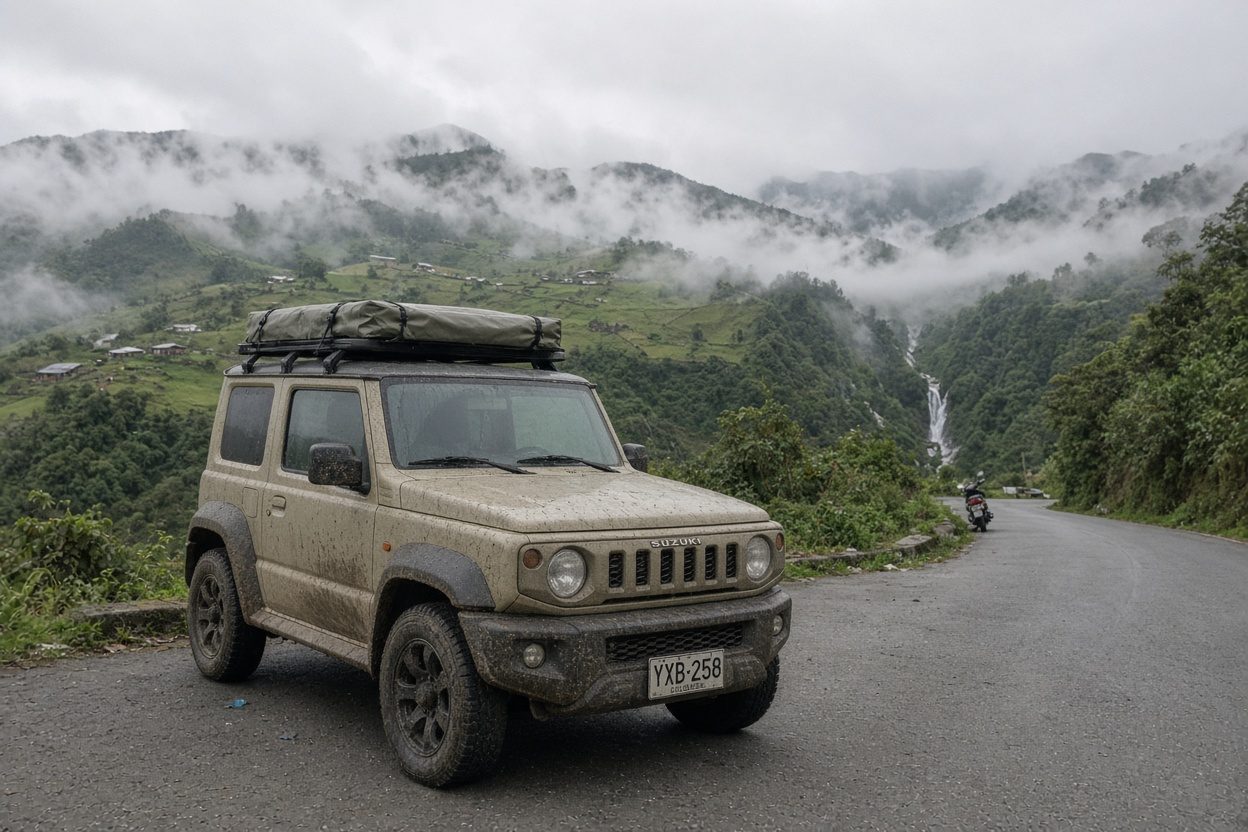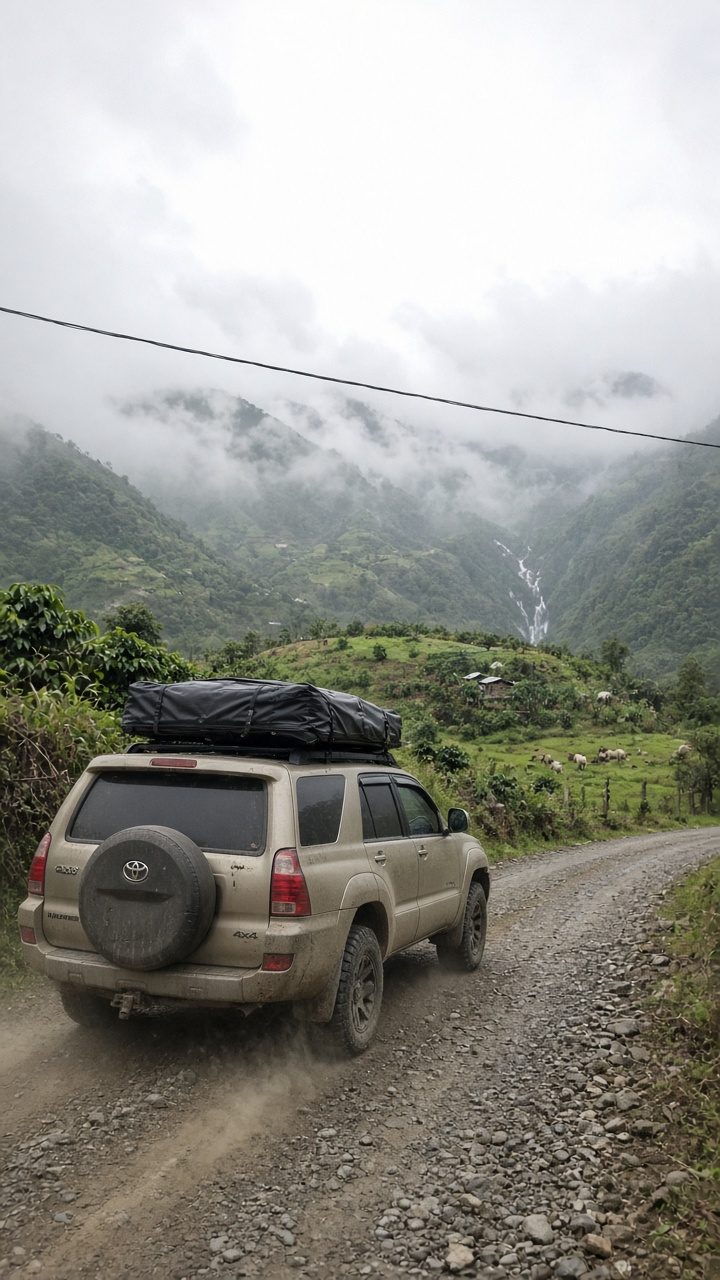
The Valle del General is one of Costa Rica's great agricultural heartlands — pineapple, coffee, sugarcane, cattle, and, increasingly, a dense cluster of permaculture and regenerative fincas run by locals and long-settled expats. This route puts you inside that world for six days. Instead of hotel-hopping, you sink into multi-night working farm-stays, learn how food systems function on steep tropical land, and thread in the region's best birding refuge and its two great farmers markets. It's slow, hands-in-the-soil travel for people who'd rather help harvest than tick off waterfalls.
Day 1 — San Isidro (Feria) → into the valley
Begin in San Isidro de El General. If it's a market day, walk the Feria del Agricultor — 200+ vendors, and the single best briefing you can get on what actually grows in this valley and when (traditional big days are Thursday into Friday; verify locally). Provision, fuel up, then drive out into the Valle del General farm country to your first finca. 🟢 Main roads are paved; farm access roads are gravel and can get slick — a mid 4x4 earns its keep here.
Sleep: first permaculture farm-stay (book direct).
Days 2–3 — Permaculture finca immersion
Settle in for two nights on a working permaculture farm in the valley. Depending on the finca, days can include composting and soil systems, food-forest and cacao/coffee walks, seed saving, natural building, and cooking from the land. The pace is the farmer's, not yours — you're a guest and a pair of hands, not a spectator. This is where the trip's real value lives: understanding how a regenerative operation feeds itself on steep, wet, tropical ground.
Eat: farm-table meals from the finca. Sleep: same farm-stay, two nights.
Day 4 — Los Cusingos (Alexander Skutch Bird Refuge)
Drive to Los Cusingos, near Quizarra south of San Isidro — the former home and farm of the legendary naturalist Alexander Skutch, now a 192-acre bird refuge managed by the Tropical Science Center (Centro Científico Tropical). Open daily 7 a.m.–4 p.m., entry around $20 for foreign adults; a guided early walk is the way to do it. This is one of the country's most storied birding sites — think toucanets, tanagers, and, in season, quetzals — set in the primary forest Skutch protected for a lifetime.
Sleep: a valley farm-stay or a cabina near the refuge (Quizarra has small lodgings — book direct).
Day 5 — Tinamaste Feria
Time this day to a Tuesday if you can: the Feria de Tinamastes runs every Tuesday, 8 a.m.–1 p.m. on the ridge between San Isidro and Dominical — organic produce, ferments, home baking, crafts, and the social hub of the region's small-farm scene. It's the perfect complement to the finca days: here's where much of what these farms grow actually gets sold and traded. Fill a cooler and spend the afternoon on the ridge.
Sleep: Tinamaste-ridge farm-stay.
Day 6 — Platanillo ridge → exit to coast
Descend the Platanillo ridge toward the Pacific, closing the loop. Stop at a ridge viewpoint for a last look back at the valley, then drop to Dominical and the coast — or reverse it back to San Isidro. Either way you leave with a cooler of real food and a working sense of how this valley grows it.
Signature stops — why go
- Multi-night permaculture finca. The heart of the trip — regenerative farming lived, not toured.
- Los Cusingos. Alexander Skutch's refuge: elite birding and conservation history in one primary-forest package.
- Feria de Tinamastes (Tuesdays) and San Isidro's Feria del Agricultor. The two markets that bookend the region's food system.
Where to camp / stay (named)
- Valle del General: working permaculture farm-stays (book direct; verify current programs).
- Near Los Cusingos: small cabinas in Quizarra.
- Tinamaste ridge: off-grid farm-stays.
Logistics & road reality
- Fuel: Fill in San Isidro; valley and ridge fuel is thin. 🟡
- 4x4: Mid 4x4 recommended — farm access roads are gravel and slick when wet. 🟡
- Season: Works year-round; green season is lusher and more active on the farms, dry season is easier driving.
- Permits: None; Los Cusingos and the fincas simply need advance booking. 🟢
- Connectivity: Variable on fincas and the ridge — expect thin signal. 🟡
- Safety: Daylight driving on gravel spurs; standard farm-safety (sun, insects, uneven ground). 🟢
Insider tips
- Book farm-stays directly and in advance — the good permaculture fincas are small, hands-on, and fill up; confirm what the stay actually includes (work, meals, tours).
- Arrive at Los Cusingos at opening with a guide for the best birding; the forest quiets by late morning.
- Plan Day 5 for a Tuesday to catch Tinamaste — it makes the whole food-system arc click.
- Bring a cooler and a camp kitchen. Between two ferias and the fincas, you'll accumulate more good produce than you can eat fresh.
- Match a farm to your interest — cacao, coffee, food forest, natural building — before you book; they specialize.
Reserve your rig
Farm country means gravel spurs, cooler loads of market produce, and camp cooking between fincas — a mid 4x4 with room to haul and clearance for wet access roads is the right tool. We can add a farm-stay concierge, a market-run cooler and camp-kitchen kit, and cacao/coffee-finca introductions. Reserve your farm-country rig and go live on the land for a week.
Before you go
Do you need a 4x4?
gravel sections — 2WD ok in dry season
Best window to fly
Green or Dec–Apr
Offline first
Download your route and offline maps before you leave the lot — signal drops on the best stretches.
Golden rule
Never drive at night — plan arrivals before dark, and use Waze like the locals do.
VerifiedCR · No counter surprises
What a Costa Rica rental actually costs
The number one thing that rattles first-timers is the price jumping at the counter. Here is the honest math, before you get there.
- Advertised daily rate$12–40 / day
- What the booking sites show. It is real — but it is not the whole price. Nobody pays only this.
- Mandatory liability (TPL / SLI)+$15–25 / day
- Required by Costa Rican law on every rental. Cannot be waived. This is the line the cheap ads leave off — it roughly doubles the sticker price. Budget for it.
- Collision damage (CDW)waivable
- Often $20–40/day — but you can usually decline it if your credit card includes rental coverage (Amex, Visa Signature, Chase Sapphire and others). Call your card, ask for a coverage letter, and bring it printed.
- Security hold on your card$1,000–2,500
- A hold, not a charge — released after you return the car clean. Some agencies hold more. Make sure your card has the headroom before you fly.
The verified-rig promise: when you reserve through VerifiedCR, the rig is inspection-checked and the operator is vetted — the price you are quoted is the price you pay. No mystery line items at pickup.