Most people who fail on Chirripó aren't unfit — they're unadjusted. They fly in near sea level, drive straight to the trailhead, and try to gain 2,000 m in a single day with lungs that have never seen altitude. The Slow Summit fixes that. Over five days you settle into the mountain village of San Gerardo de Rivas (~1,350 m), take warm-up walks at Cloudbridge Nature Reserve, rest a full day, and only then climb — arriving at Crestones Base Lodge with legs and lungs that have had time to catch up. Then you tag the 3,820 m roof of Costa Rica and come down.
This is the smart way to do the country's highest peak if you don't climb altitude regularly. It's still a serious mountain trek, and it's still hard-gated on the SINAC permit — but you give yourself the one thing the 3-day Sprint can't: margin.
⚠️ Permit reality check. Chirripó entry is capped and sold only at sinac.go.cr (~$18/day foreign non-residents), and the quota sells out fast — often months ahead. Crestones Base Lodge is the only legal bed inside the park; no camping is allowed. Book the lodge (beds ~$40–45, meals/porter via the community operator) within about 24 hours of securing your SINAC entry. Verify all of this before committing your dates.
Day 1 — San Isidro (Feria) → settle in San Gerardo de Rivas
Start in San Isidro de El General, the capital of the Valle del General. If you land on a Thursday or Friday, hit the Feria del Agricultor — one of the biggest farmers markets in the southern zone (200+ vendors) — and stock a cooler with fruit, eggs, and trail food (verify current market days locally; Thursday afternoon into Friday morning is the traditional window). Provision everything else here: this is your last full supermarket and fuel.
Then drive the ~20 km to San Gerardo de Rivas (~45 min–1 hr), paved before it turns steep and rough near the top. 🟢 Check in at the SINAC office to confirm your permit and briefing. Settle into your village cabina — this is home for the next several nights.
Sleep: San Gerardo de Rivas — Casa Mariposa, Hotel Uran, or Roca Dura.
Day 2 — Cloudbridge warm-up walk
Spend your first altitude day gently, at Cloudbridge Nature Reserve just above the village on the road toward the park. It's a reforestation nonprofit with a network of well-cut trails to waterfalls and montane cloud forest, open 7 a.m.–4 p.m., with a modest day fee (around ₡6,000 for foreigners, less for residents — historically donation-based). Walk up to the reserve's waterfalls at a conversational pace. You're not training; you're teaching your body the thin air. Watch for hummingbirds, quetzals in season, and the abrupt cloud-forest chill.
Eat: village sodas. Sleep: San Gerardo de Rivas.
Day 3 — Rest day + hot springs
Do almost nothing. Sleep in, eat well, hydrate obsessively, and soak at the Aguas Termales — natural warm thermal pools reached by a short walk and hanging bridge, about $7. A true rest day before a big ascent is not laziness; it's the acclimatization protocol working. Pack your summit bag tonight so tomorrow is pure walking.
Sleep: San Gerardo de Rivas.
Day 4 — Ascend to Crestones Base Lodge
The climb. Leave pre-dawn (3:00–5:00 a.m.) and grind the ~14.5 km, ~2,000 m to Crestones Base Lodge (~3,400 m) — through the "Cuesta de los Arrepentidos" and Llano Bonito, kilometer post by kilometer post. Because you're acclimatized, you'll arrive with energy to spare. If the weather is kind, stroll the páramo out toward the Valle de los Conejos and the glacial lakes beneath the Crestones towers in the afternoon. Eat, hydrate, and get to bed early.
Sleep: Crestones Base Lodge — mandatory. Beds ~$40–45; bring a genuinely warm sleeping bag (near-freezing nights).
Day 5 — Summit sunrise + full descent
Up around 3:00 a.m. for the ~5.1 km headlamp push to the 3,820 m summit for sunrise — both oceans on a clear day. Then descend the whole mountain (~19–20 km) back to San Gerardo. Close the trip with one more soak at the Aguas Termales before you drive out — daylight only on the fogged mountain road.
Signature stops — why go
- Cloudbridge Nature Reserve. The perfect low-stakes acclimatization walk: real cloud forest, waterfalls, and altitude, minutes from your bed.
- The 3,820 m summit at dawn. Costa Rica's highest sunrise, in glacial páramo above the clouds.
- Valle de los Conejos & the Crestones. High-alpine rock towers and tarns that don't feel like the tropics at all.
- Aguas Termales. Cheap, local thermal pools that bookend the climb.
Where to camp / stay (named)
- Nights 1–3: San Gerardo de Rivas — Casa Mariposa / Hotel Uran / Roca Dura.
- Night 4: Crestones Base Lodge (only legal in-park bed; no camping).
- Night 5: back in San Gerardo or drive out in daylight.
Logistics & road reality
- Fuel: Top off in San Isidro — nothing reliable above it. 🔴
- 4x4: Compact 4x4 fine to San Gerardo in the dry; last km steep/rough. 🟢 dry / 🔴 wet.
- Season: Dec–Apr for the summit. Green season = cloud, cold rain, higher risk.
- Permits: Hard gate — SINAC online + Crestones via community operator. 🔴
- Connectivity: No signal above San Gerardo de Rivas. Two days offline on the mountain. 🟢 signal in the village.
- Safety: Altitude symptoms ease with the acclimatization schedule, but hypothermia risk on summit day is real. Daylight-only driving. 🔴
Insider tips
- The rest day is the itinerary's whole point — don't "make it useful" with a big hike. Easy legs on Day 3 are why you summit strong on Day 5.
- Book the SINAC permit the moment the calendar opens; everything downstream depends on it.
- Time Day 1 to a Feria day in San Isidro (Thu–Fri) to load real food for the mountain — verify current days.
- Cloudbridge in the morning for the best quetzal and hummingbird odds and before the cloud rolls in.
- Bring summit warmth — hat, gloves, insulated layer, freezing-rated bag. The tropics end at the páramo.
Reserve your rig
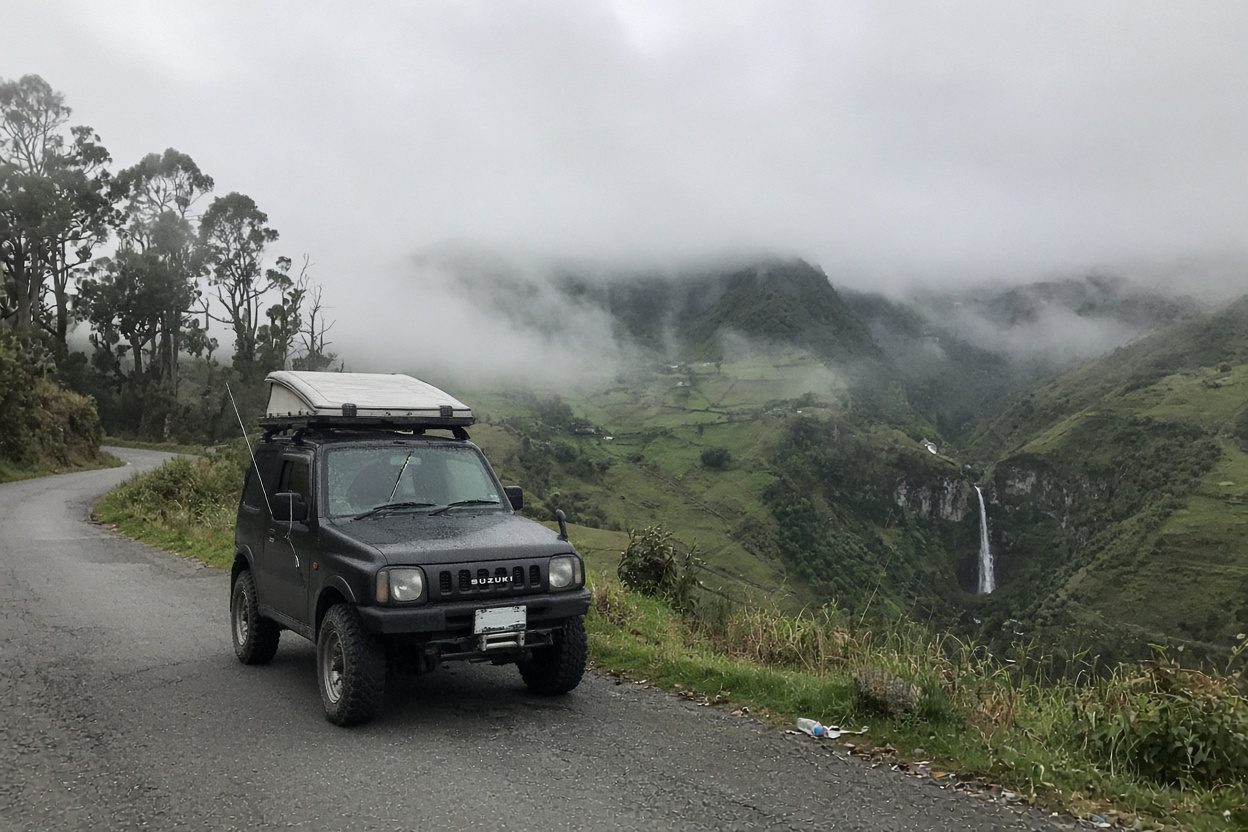
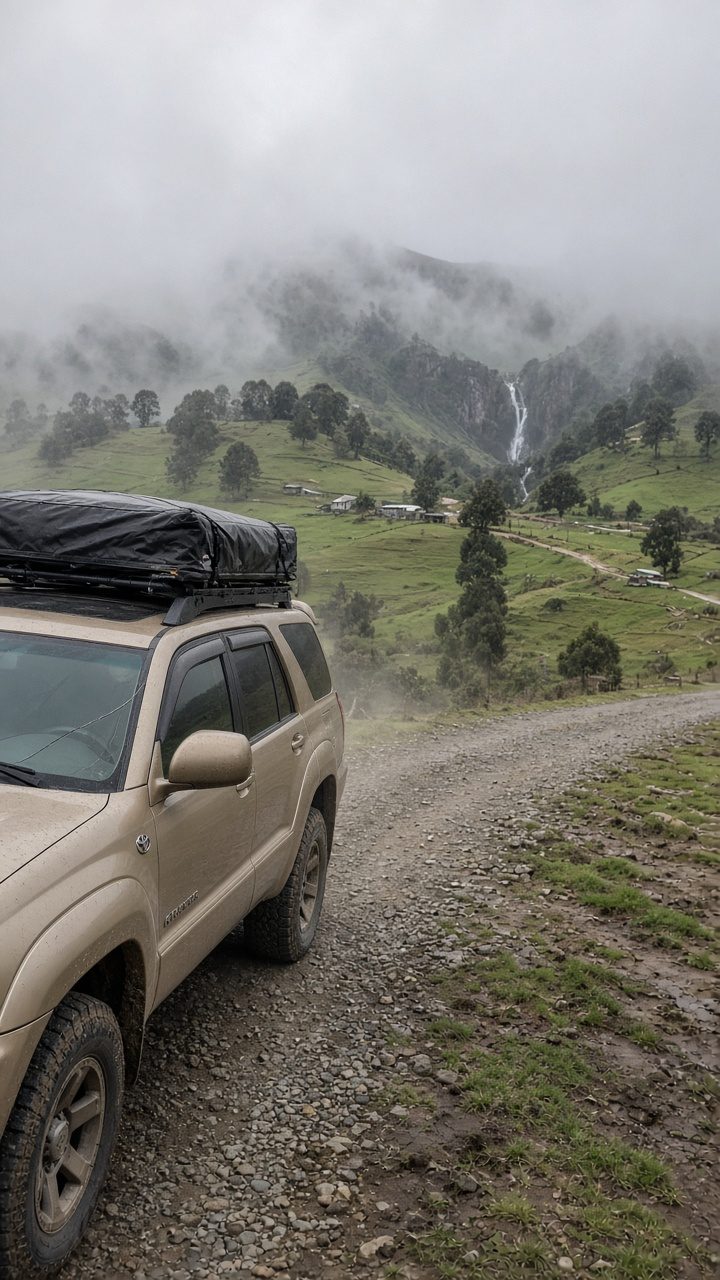
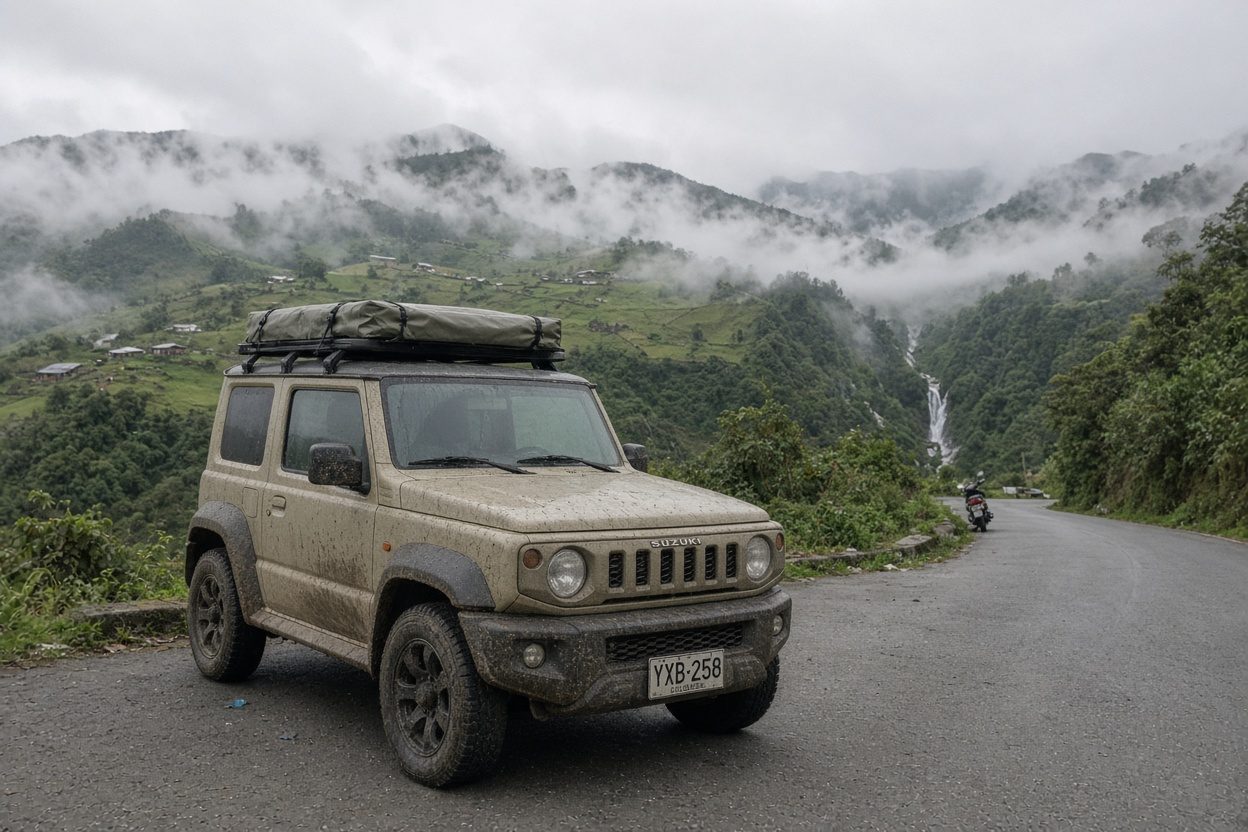
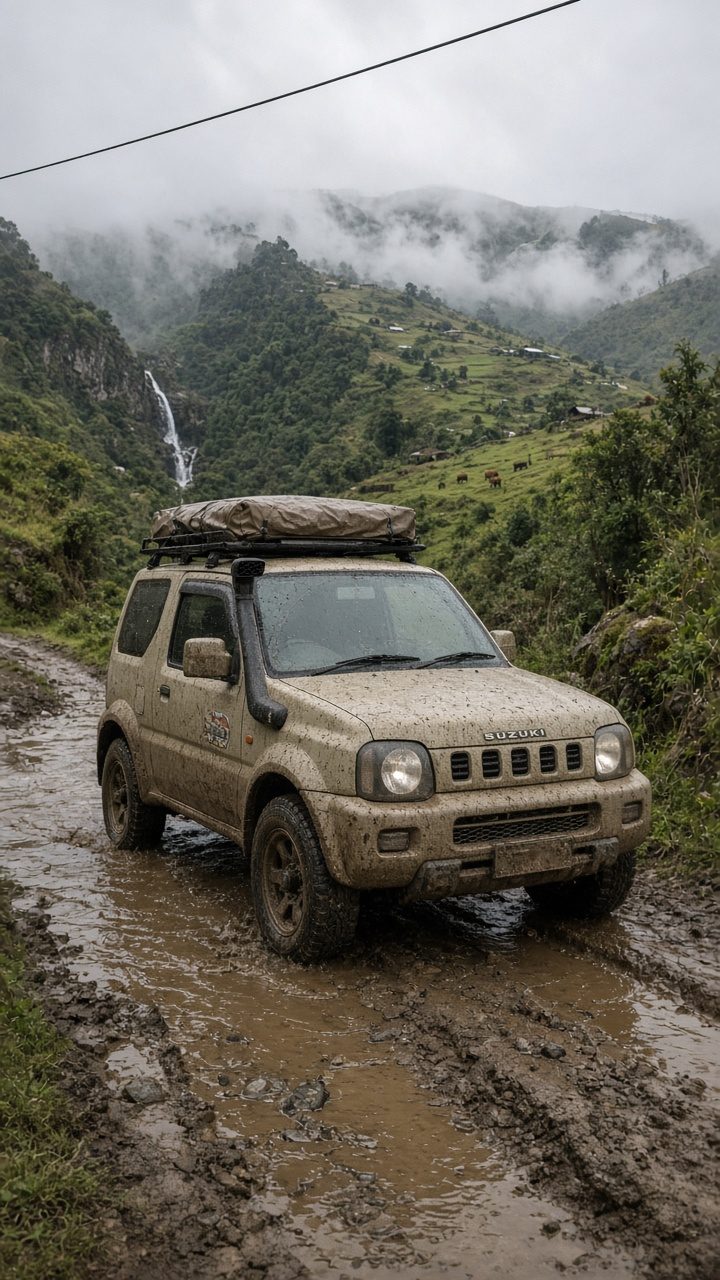
The Slow Summit rewards patience, and a reliable compact 4x4 parked in San Gerardo for four nights is the quiet backbone of it. We outfit the rig, brief the daylight-only approach, and can bundle the acclimatization-tier package, a guided Cloudbridge warm-up, and full permit concierge so your only job is to arrive rested and walk to the top. Reserve your Chirripó basecamp rig and summit the smart way.
Before you go
Do you need a 4x4?
4x4 required
Best window to fly
Dec–Apr (dry season)
Offline first
Download your route and offline maps before you leave the lot — signal drops on the best stretches.
Golden rule
Never drive at night — plan arrivals before dark, and use Waze like the locals do.
VerifiedCR · No counter surprises
What a Costa Rica rental actually costs
The number one thing that rattles first-timers is the price jumping at the counter. Here is the honest math, before you get there.
- Advertised daily rate$12–40 / day
- What the booking sites show. It is real — but it is not the whole price. Nobody pays only this.
- Mandatory liability (TPL / SLI)+$15–25 / day
- Required by Costa Rican law on every rental. Cannot be waived. This is the line the cheap ads leave off — it roughly doubles the sticker price. Budget for it.
- Collision damage (CDW)waivable
- Often $20–40/day — but you can usually decline it if your credit card includes rental coverage (Amex, Visa Signature, Chase Sapphire and others). Call your card, ask for a coverage letter, and bring it printed.
- Security hold on your card$1,000–2,500
- A hold, not a charge — released after you return the car clean. Some agencies hold more. Make sure your card has the headroom before you fly.
The verified-rig promise: when you reserve through VerifiedCR, the rig is inspection-checked and the operator is vetted — the price you are quoted is the price you pay. No mystery line items at pickup.