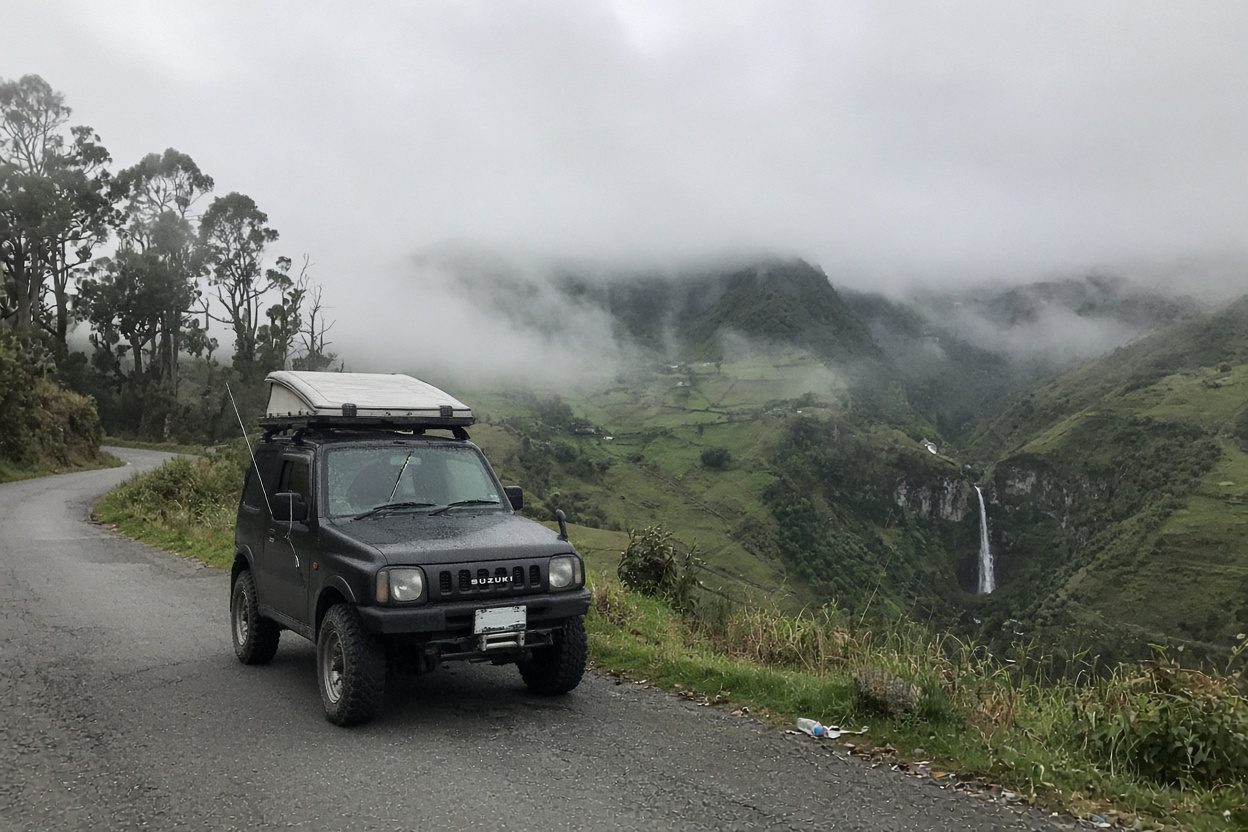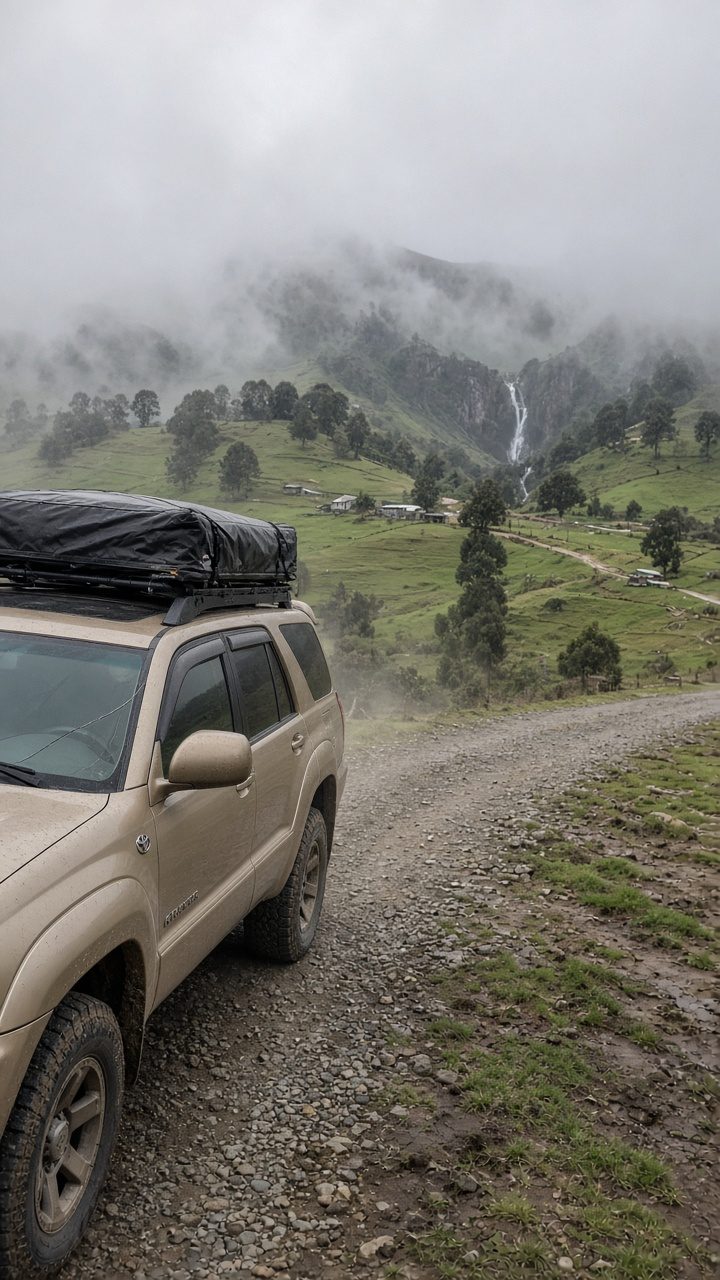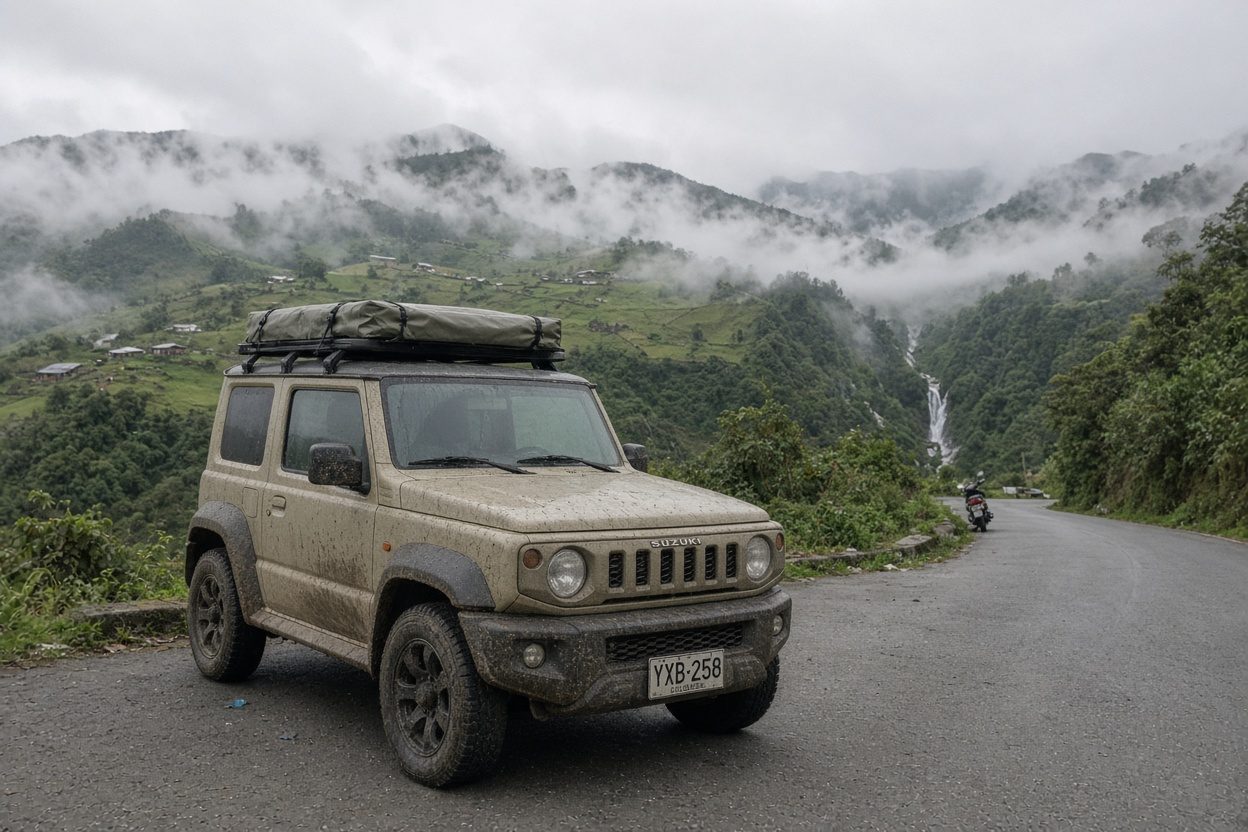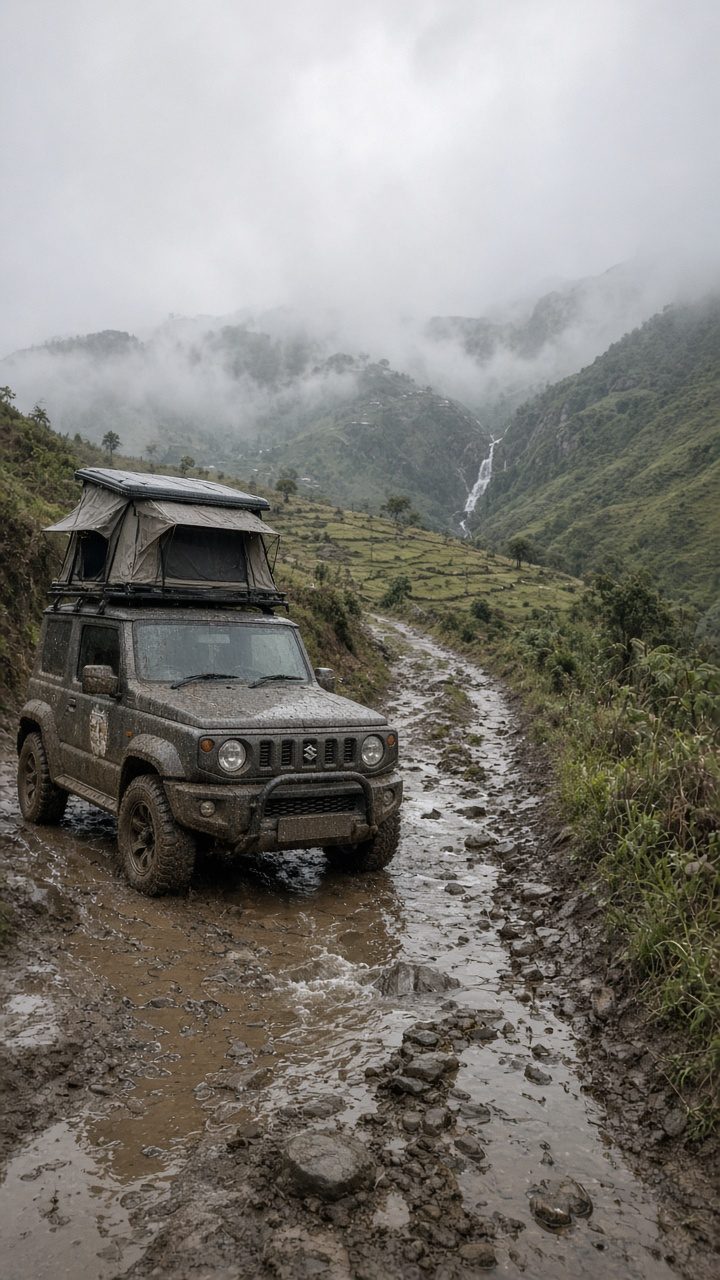
This is the fast line to the top of Costa Rica. Cerro Chirripó rises to 3,820 m (12,533 ft) — the highest point in the country and one of the few places on Earth where you can watch the sun come up over both the Pacific and the Caribbean at once on a clear morning. The Sprint is built for hikers who are already fit, already acclimatized enough to gamble on altitude, and short on days. You drive your rig to the trailhead village of San Gerardo de Rivas, climb to the only legal bed inside the park, tag the summit at dawn, and drop back down to a hot-spring soak the same day you come off the mountain.
Be honest with yourself before you commit. The trail gains roughly 2,000 m over ~14.5 km just to reach the lodge, then adds another ~5.1 km to the peak. On a three-day window you have no slack for weather, blisters, or altitude headaches. If any of those are a real risk for you, take the five-day "Slow Summit" instead. And the entire trip is hard-gated on one thing that has nothing to do with your legs: the SINAC permit.
⚠️ Permit reality check — read this first. Park entry is capped and sold only through the official SINAC reservation system at sinac.go.cr. Foreign non-residents pay about $18 per day; the daily quota routinely sells out the moment it opens (often months ahead for dry-season weekends). No permit, no mountain — rangers check at the San Gerardo station. Do not drive down here on spec. Verify current pricing, the reservation calendar, and lodge availability before you build the rest of the trip around it.
Day 1 — San Isidro provisioning → San Gerardo de Rivas
Roll into San Isidro de El General (the hub town of the Valle del General) to top off everything you'll want on the mountain: high-calorie food, electrolytes, a warm layer, headlamp batteries, and cash. This is your last real supermarket. From San Isidro it's roughly 20 km northeast to San Gerardo de Rivas — about 45 minutes to an hour of driving that starts paved and turns steep, narrow, and rough near the top. 🟢 A compact 4x4 handles it fine in the dry season; drive it in daylight only — the valley fogs in and the shoulders are unforgiving.
In San Gerardo, check in at the SINAC / park office to confirm your permit and get the current briefing (start times, water points, weather). Park the rig at your guesthouse in the village — this is where it stays for two nights. Sleep early: you'll be walking before dawn.
Eat: a big carb-heavy dinner in the village sodas. Sleep: a cabina in San Gerardo de Rivas (Casa Mariposa, Roca Dura, and Uran are long-running trekker bases — book direct).
Day 2 — Pre-dawn climb to Crestones Base Lodge → Valle de los Conejos
Start in the dark, typically 3:00–5:00 a.m., to beat the afternoon cloud and heat. The trail is well-marked with a distance post at every kilometer — a genuine morale tool when your legs are gone. You'll grind through the infamous "Cuesta de los Arrepentidos" (Hill of the Repentant) and the long haul to Llano Bonito before the páramo opens up. Roughly 14.5 km and ~2,000 m of gain later you reach Crestones Base Lodge (~3,400 m) — the only legal place to sleep inside the park. Drop your pack, eat, hydrate hard.
If you're moving well and the weather holds, take the gentle afternoon walk out to the Valle de los Conejos (Valley of the Rabbits) and the glacial lakes below the Crestones rock formations — surreal, wind-scoured páramo that feels nothing like tropical Costa Rica. Then get horizontal early; summit morning starts brutally.
Sleep: Crestones Base Lodge — mandatory, no camping anywhere in the park. Beds run about $40–45/night; meals and porter service are arranged separately through the community operator (CRC Chirripó), usually within 24 hours of buying your SINAC entry. Bring a warm bag rating — nights up here drop near freezing.
Day 3 — Summit sunrise → descend → San Gerardo hot springs
Leave the lodge around 3:00 a.m. for the ~5.1 km push to the summit, headlamps only. The final scramble tops out on the rock at 3,820 m for sunrise — on a clear day, both oceans. Soak it in, then turn around: you still have to descend the entire mountain, ~19–20 km back to San Gerardo, on tired quads.
Back in the village, reward yourself at the Aguas Termales — natural warm thermal pools reached by a short walk and a hanging bridge, about $7 to enter. It's the perfect muscle reset before the drive out. 🟢 If you're driving onward the same evening, remember the daylight-only rule and don't push a fogged mountain road at dusk.
Signature stops — why go
- The 3,820 m summit at dawn. The single highest sunrise in Costa Rica, above the clouds, in glacial páramo. There is nothing else like it in the country.
- Valle de los Conejos & the Crestones. Otherworldly high-alpine terrain — sculpted rock towers, tarns, and stunted páramo — that most CR visitors never imagine exists here.
- Aguas Termales, San Gerardo de Rivas. A cheap, local, genuinely restorative hot-spring soak exactly where your legs need it.
Where to camp / stay (named)
- In-park: Crestones Base Lodge only. No camping is permitted anywhere inside Chirripó National Park.
- Village basecamp: San Gerardo de Rivas — Casa Mariposa, Hotel Uran, Roca Dura. Park the rig here for both nights.
Logistics & road reality
- Fuel: Fill up in San Isidro — no reliable fuel above it. 🔴
- 4x4: Compact 4x4 is enough in the dry season to San Gerardo; the last few km are steep and rough. 🟢 in dry, 🔴 in heavy rain.
- Season: Dec–Apr only for a 3-day sprint. Green season brings cloud, cold rain, and higher summit-day risk.
- Permits: Hard gate. SINAC online, sells out fast; Crestones Lodge booked via the community operator. 🔴
- Connectivity: Zero signal above San Gerardo de Rivas. Tell someone your plan and expect to be offline for two days.
- Safety: Altitude (headache, nausea) is real above 3,000 m; hypothermia is the mountain's actual killer here — nights near freezing, sudden wind and rain. Daylight-only driving on the approach. 🔴
Insider tips
- Book the permit first, everything else second. Watch the SINAC calendar open and buy the instant your dates appear — the rest of the trip is worthless without it.
- Pre-book porter and meal service at Crestones through the community operator; carrying three days of food up 2,000 m is a rookie tax you don't need to pay.
- Layer for freezing. People show up in shorts and suffer. Pack a real warm layer, gloves, and a hat for the summit push.
- Start summit day early enough to beat the cloud — the two-ocean view is a morning-only lottery that closes by mid-morning.
- Bank a hot-springs hour into your descent day; it turns a punishing return into a proper finish.
Reserve your rig
The Sprint lives or dies on a dependable, fuel-efficient compact 4x4 that can take the San Gerardo approach and wait patiently in the village while you're on the mountain. We outfit it, brief you on the daylight-only mountain driving, and can bundle the permit-secured package, porter/meal add-ons, and altitude gear so all you have to think about is the climb. Reserve your Chirripó rig and we'll handle the logistics that sink most DIY summit attempts.
Before you go
Do you need a 4x4?
4x4 required
Best window to fly
Dec–Apr (dry season)
Offline first
Download your route and offline maps before you leave the lot — signal drops on the best stretches.
Golden rule
Never drive at night — plan arrivals before dark, and use Waze like the locals do.
VerifiedCR · No counter surprises
What a Costa Rica rental actually costs
The number one thing that rattles first-timers is the price jumping at the counter. Here is the honest math, before you get there.
- Advertised daily rate$12–40 / day
- What the booking sites show. It is real — but it is not the whole price. Nobody pays only this.
- Mandatory liability (TPL / SLI)+$15–25 / day
- Required by Costa Rican law on every rental. Cannot be waived. This is the line the cheap ads leave off — it roughly doubles the sticker price. Budget for it.
- Collision damage (CDW)waivable
- Often $20–40/day — but you can usually decline it if your credit card includes rental coverage (Amex, Visa Signature, Chase Sapphire and others). Call your card, ask for a coverage letter, and bring it printed.
- Security hold on your card$1,000–2,500
- A hold, not a charge — released after you return the car clean. Some agencies hold more. Make sure your card has the headroom before you fly.
The verified-rig promise: when you reserve through VerifiedCR, the rig is inspection-checked and the operator is vetted — the price you are quoted is the price you pay. No mystery line items at pickup.