Learning to surf as a family works best where the ocean cooperates — gentle whitewater, sand bottoms, and calm swimming water for the between-sessions hours. This seven-day loop threads the three friendliest surf towns on Costa Rica's northern Nicoya coast: Sámara, whose bay is one of the calmest beginner beaches in the country; Nosara (Playa Guiones), where kids' surf schools run all day; and Tamarindo, the classic first-lesson town with amenities, restaurants, and a beach break made for pop-ups.
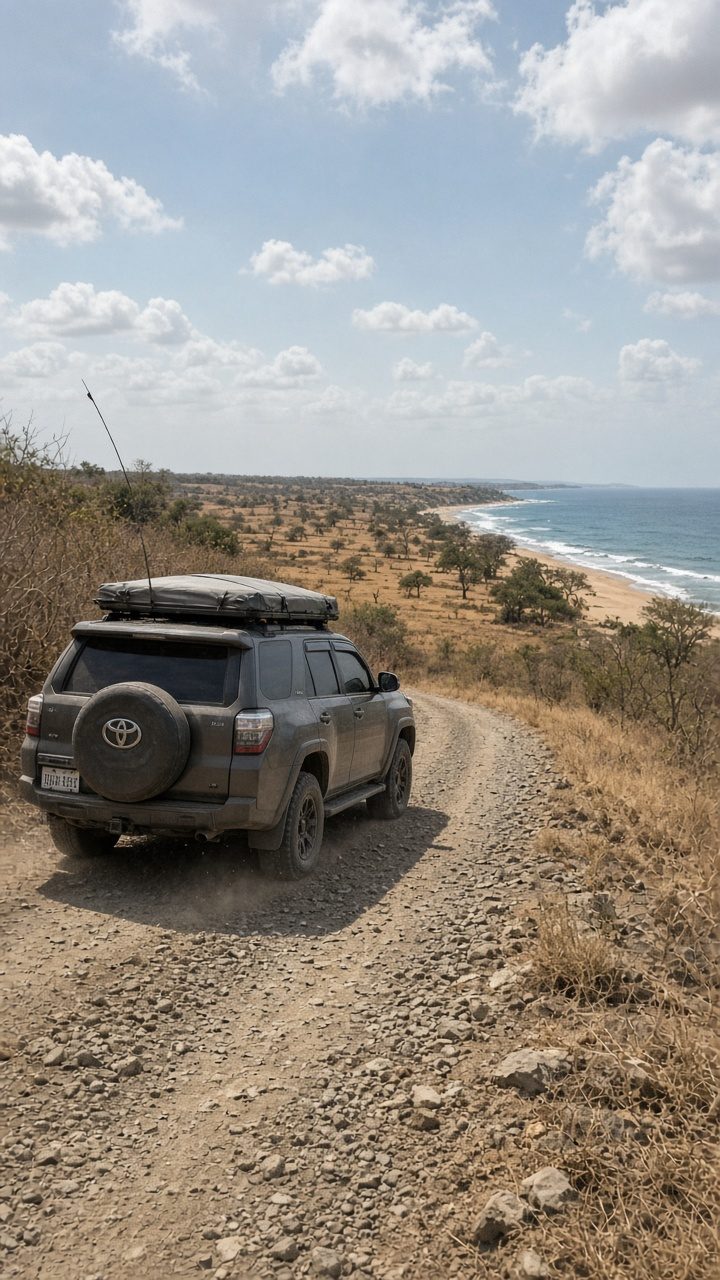
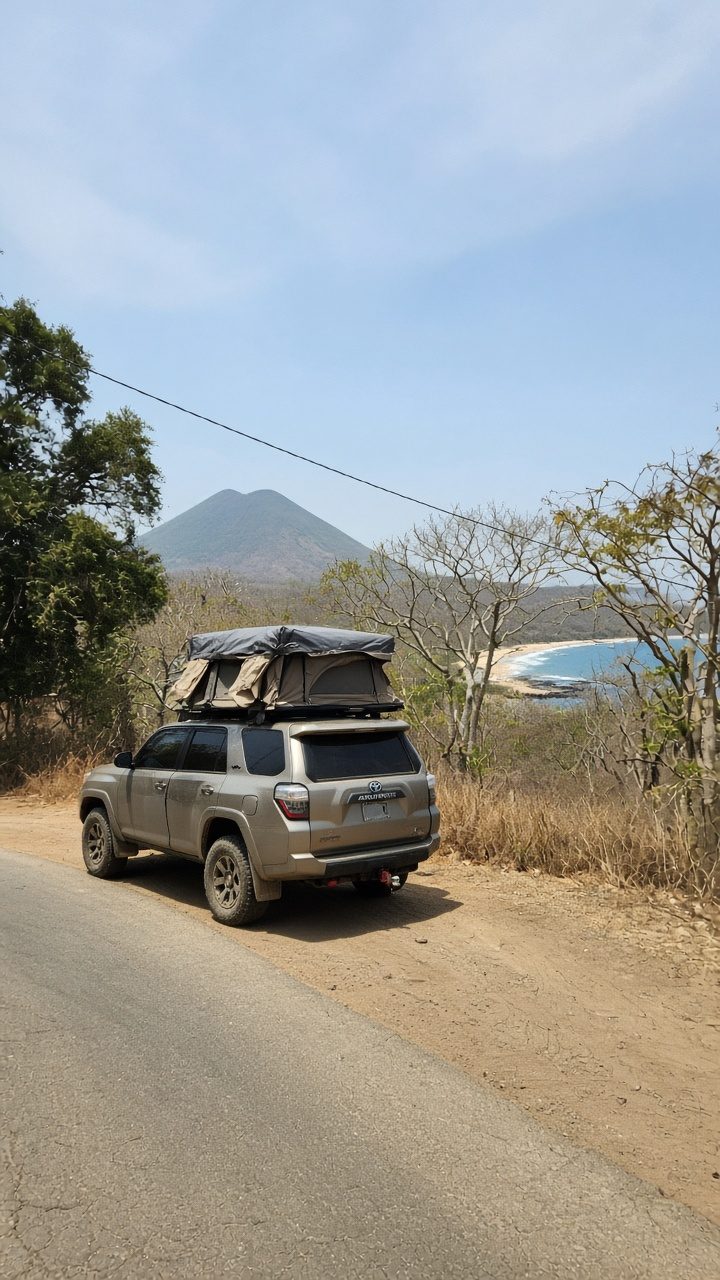
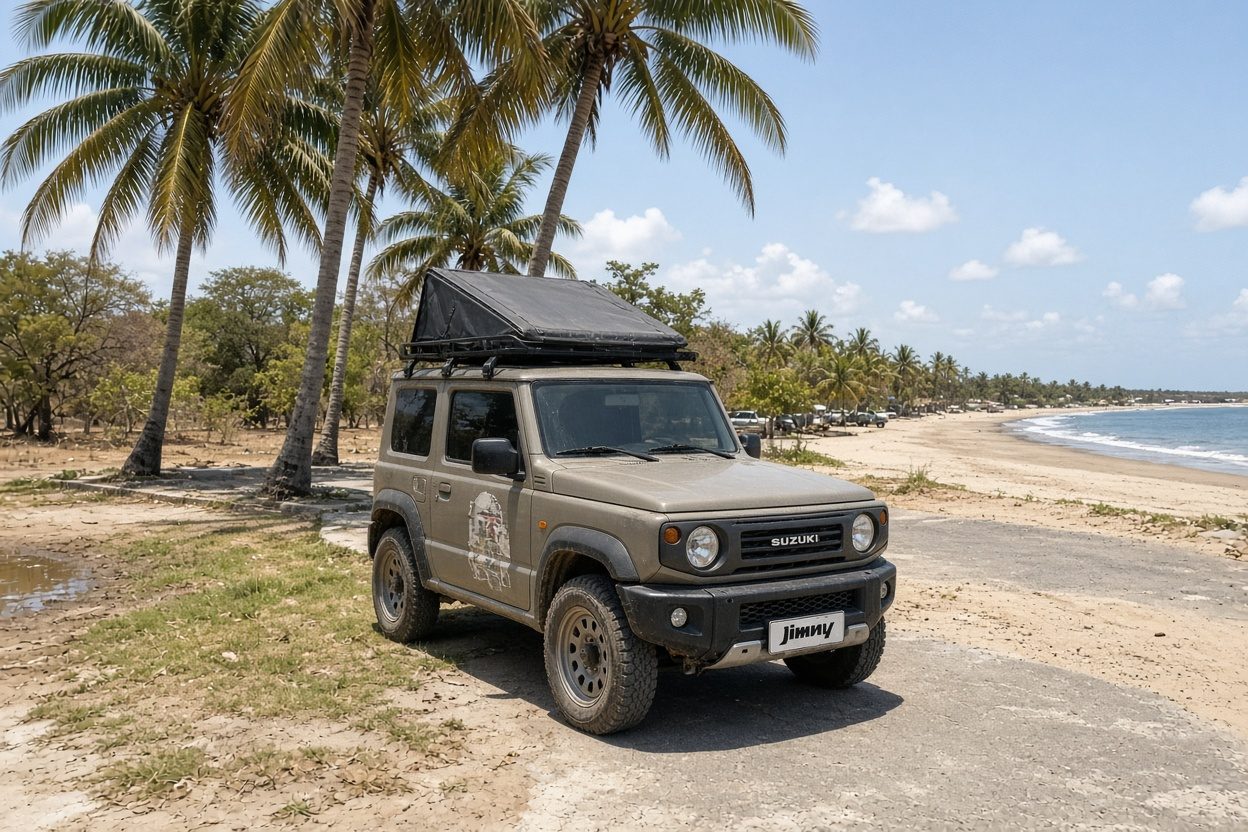
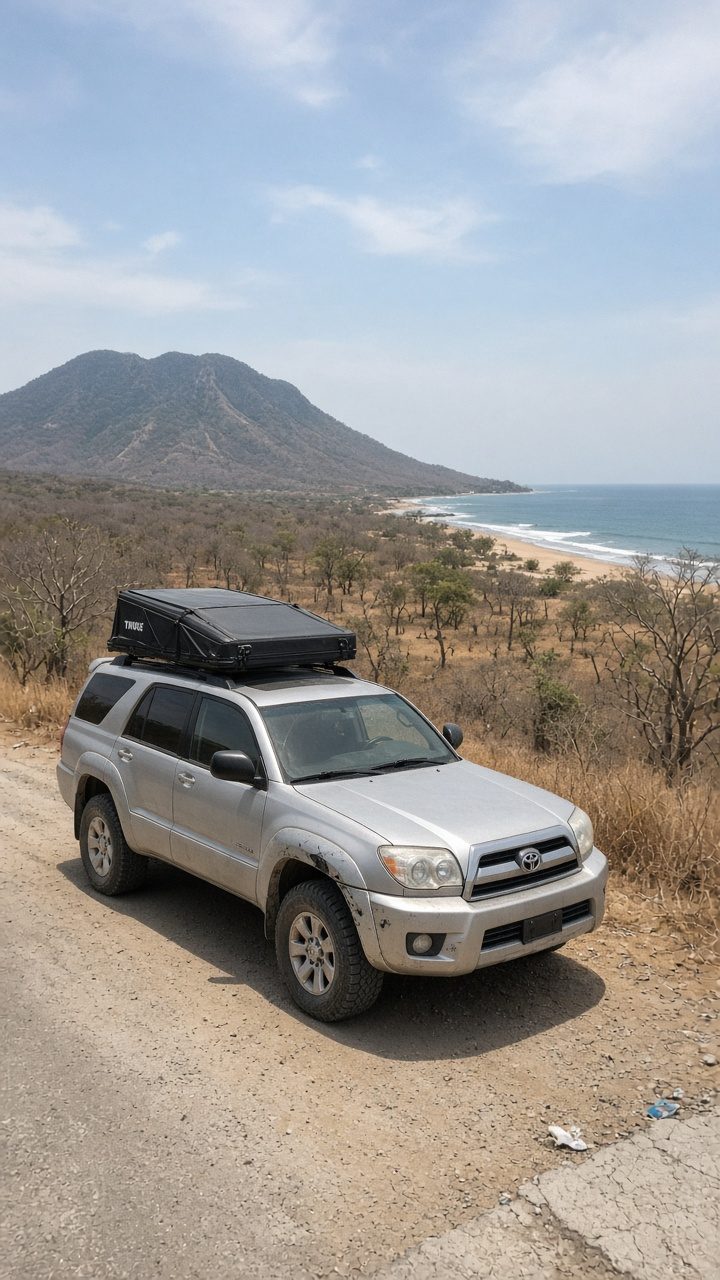
Do it in the December–April dry season, when the seas are calmest and the sun is reliable, and travel in a mid 4x4 with room for the family, boards, and car seats. The driving is easy by Costa Rican standards, with one flagged dirt approach into Nosara.
Day by day
Days 1–2 — Sámara (the calmest start)
Fly into Liberia (LIR) and head to Sámara, the gentlest possible introduction to the ocean.
- The wave — Playa Sámara: the bay is protected by an offshore reef that blocks most of the swell, so the water inside is small, gentle, and rolling — ideal for absolute first-timers and young kids. Higher tide is generally best for the softest whitewater. Surf schools on the beach run kids' and family lessons.
- Family extras: flat, walkable town beach; SUP and Isla Chora paddle on a calm day; tide pools.
- Eat: family-friendly sodas and beachfront restaurants right on the sand.
- Sleep: Sámara family cabinas/hotels within walking distance of the beach.
Days 3–5 — Nosara / Playa Guiones (kids' surf)
Drive to Nosara — note the last stretch is a dirt road — and settle into a few days of proper learning.
- The wave — Playa Guiones: a long, forgiving beach break with plenty of room to spread out, best on a SW-to-W swell and a rising mid-to-high tide. Consistent enough that kids get lots of waves, gentle enough to stay safe. Nosara's surf schools are experienced with children and beginners.
- Family extras: Nosara's wellness-town calm, healthy food, the estuary for a mellow paddle, and easygoing evenings.
- Eat: Nosara's smoothie-bowl and healthy-café scene, plus kid-friendly Tico fare.
- Sleep: Guiones family-oriented surf lodges/guesthouses near the beach.
Days 6–7 — Tamarindo (lessons + town)
Drive north to Tamarindo, the country's best-known first-lesson town.
- The wave — Playa Tamarindo: a beginner-friendly beach break with gentle whitewater sections and a river-mouth sandbar; more experienced family members can find the reefs (Henry's Right/Left) or head to Playa Grande just north, the most consistent wave in the area. Surf schools are everywhere and cater to all ages.
- Family extras: Tamarindo has the most amenities of the three — restaurants, shops, estuary boat tours (birds, monkeys), and easy day-trip range.
- Eat & sleep: Tamarindo's wide range of family restaurants and hotels; fly out of LIR.
The breaks — why surf, and who for
| Break | Type | Skill | Why it's family-safe |
|---|---|---|---|
| Playa Sámara | Sheltered bay beach break | Never-surfed / young kids | Offshore reef blocks swell — smallest, gentlest water |
| Playa Guiones (Nosara) | Sand beach break | Kids & beginners | Long, forgiving, room to spread out |
| Playa Tamarindo | Beach break + sandbar | Beginners & improvers | Gentle whitewater, tons of surf schools |
| Playa Grande (near Tamarindo) | Beach break | Improvers | Step-up for the stronger family surfers |
Every wave here is sand-bottom and forgiving — the whole point of the trip. Keep beginners on the whitewater and inside sections; let improvers move to the shoulders.
Where to stay
- Sámara: family cabinas/hotels on or near the town beach.
- Nosara: Guiones family surf lodges and guesthouses.
- Tamarindo: wide range of family hotels near the beach and town.
Surf logistics
- Season / swell window: 🟢 December–April is calmest and driest — the safest window for kids and swimming. Green season brings bigger surf that's better for improvers than for first-timers.
- Boards: Soft-top foamies for everyone learning — all three towns' schools provide them and appropriately sized kids' boards. Bring your own only if you're beyond the foamie stage.
- Hazards: 🟢 All three are beginner-safe on normal days, but 🔴 beach-break rip currents exist everywhere — keep kids in the whitewater, in front of the instructor, and learn the "swim parallel, don't fight it" rule. Intense sun — long-sleeve rash guards, hats, and reef-safe sunscreen for the whole family.
- Vehicle & fuel: A mid 4x4 gives room for kids, boards, and car seats; the Nosara approach is dirt, and fuel is sparse between towns — top up in the bigger ones. Bring/rent proper car seats.
- Connectivity: Good in all three towns.
- Respect / localism: These are welcoming beginner beaches; still, keep the crew out of the way of local surfers on the outside peaks.
Insider tips
- Book vetted kids' instructors ahead. The best family surf schools fill up in the dry season — reserve before you arrive.
- Sámara first, always. Starting in the calmest water builds kids' confidence before the slightly bigger peaks at Guiones and Tamarindo.
- Rent car seats with the vehicle. Costa Rican law requires them for young children, and quality varies — arrange them in advance.
- Surf mornings, swim afternoons. Dry-season mornings are cleanest; save the hot afternoons for calm swims and estuary tours.
- Long-sleeve rash guards for kids beat reapplying sunscreen all day — the equatorial sun is no joke.
Reserve your rig
A mid 4x4 carries the family, the boards, and the car seats, and handles the Nosara dirt road without drama. Reserve your VerifiedCR family rig with car seats and soft-top-friendly racks, and we'll help you line up vetted kids' instructors in Sámara, Nosara, and Tamarindo.
Before you go
Do you need a 4x4?
gravel sections — 2WD ok in dry season
Best window to fly
December–April (calm, dry, safe swimming)
Offline first
Download your route and offline maps before you leave the lot — signal drops on the best stretches.
Golden rule
Never drive at night — plan arrivals before dark, and use Waze like the locals do.
VerifiedCR · No counter surprises
What a Costa Rica rental actually costs
The number one thing that rattles first-timers is the price jumping at the counter. Here is the honest math, before you get there.
- Advertised daily rate$12–40 / day
- What the booking sites show. It is real — but it is not the whole price. Nobody pays only this.
- Mandatory liability (TPL / SLI)+$15–25 / day
- Required by Costa Rican law on every rental. Cannot be waived. This is the line the cheap ads leave off — it roughly doubles the sticker price. Budget for it.
- Collision damage (CDW)waivable
- Often $20–40/day — but you can usually decline it if your credit card includes rental coverage (Amex, Visa Signature, Chase Sapphire and others). Call your card, ask for a coverage letter, and bring it printed.
- Security hold on your card$1,000–2,500
- A hold, not a charge — released after you return the car clean. Some agencies hold more. Make sure your card has the headroom before you fly.
The verified-rig promise: when you reserve through VerifiedCR, the rig is inspection-checked and the operator is vetted — the price you are quoted is the price you pay. No mystery line items at pickup.