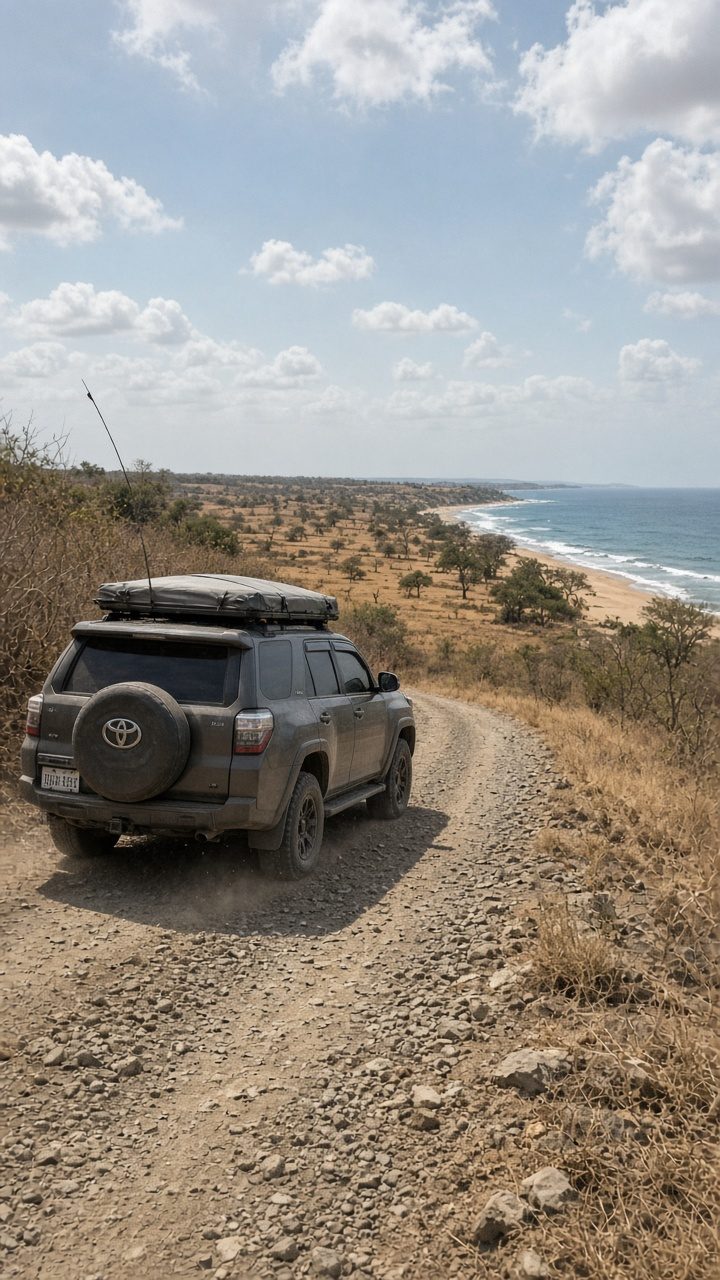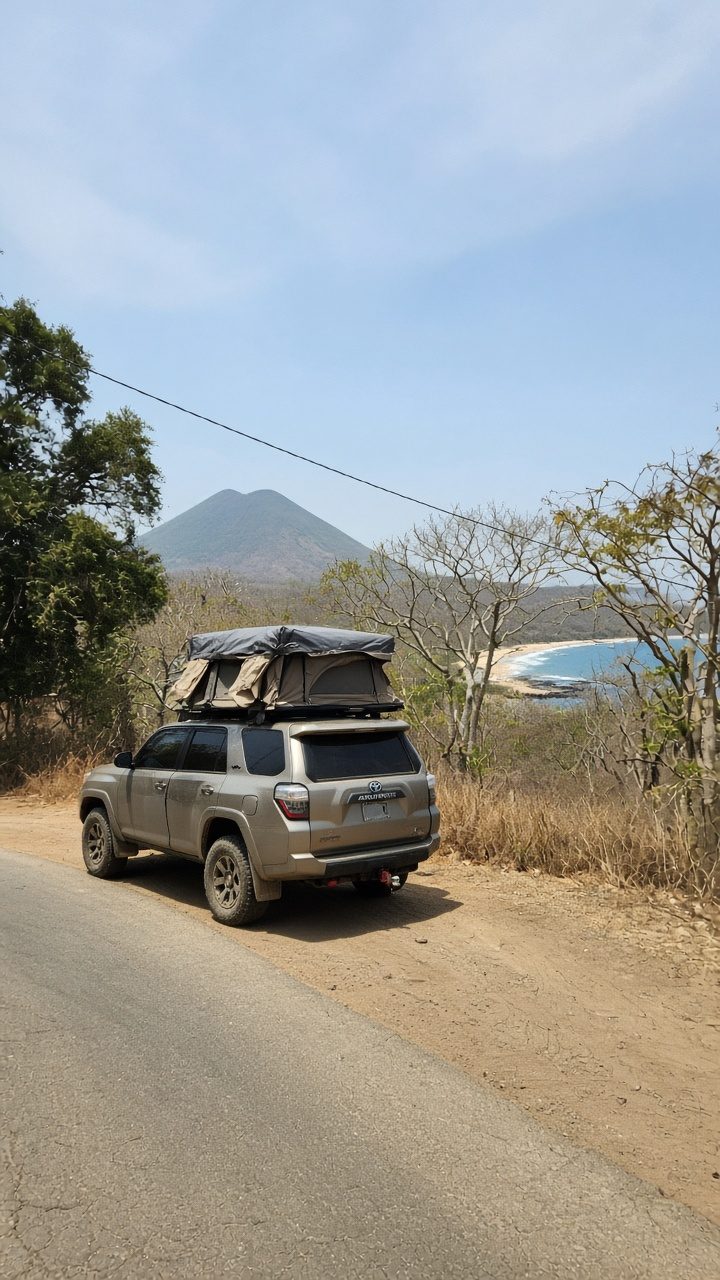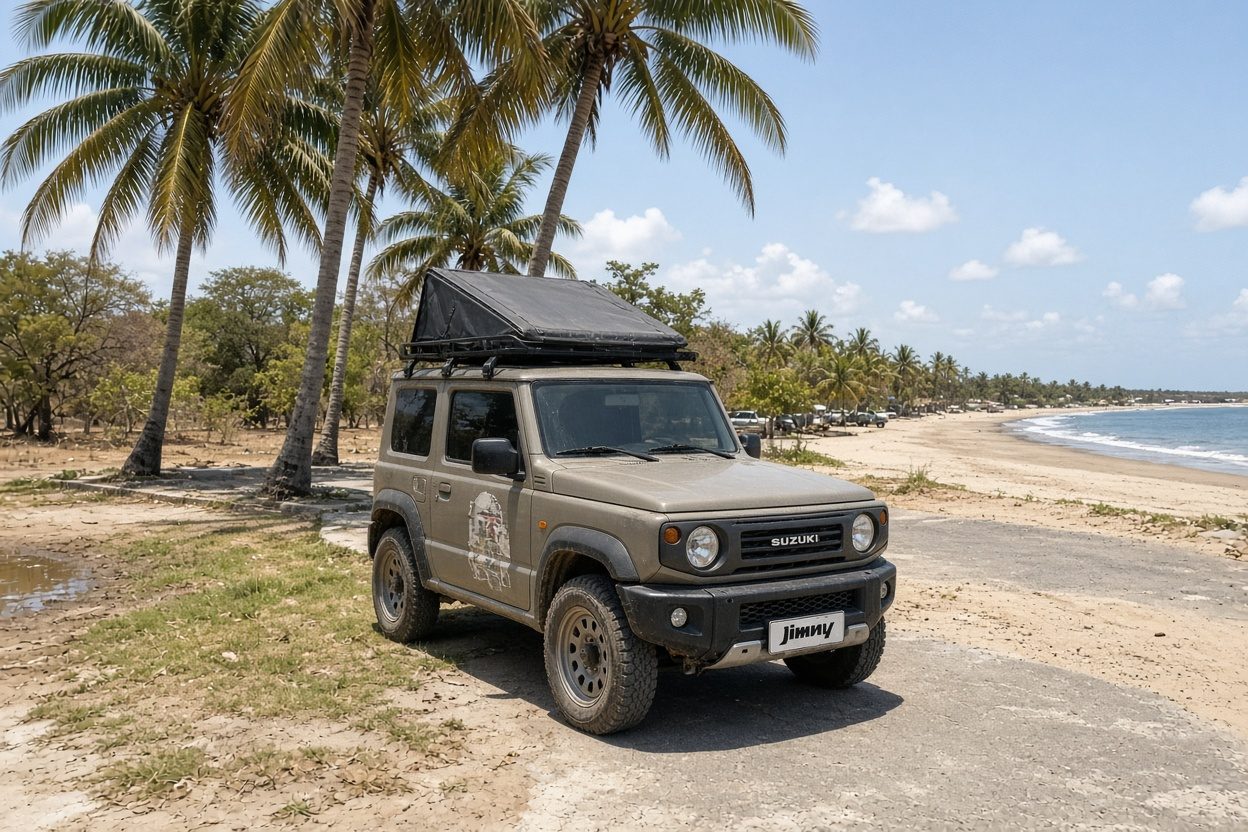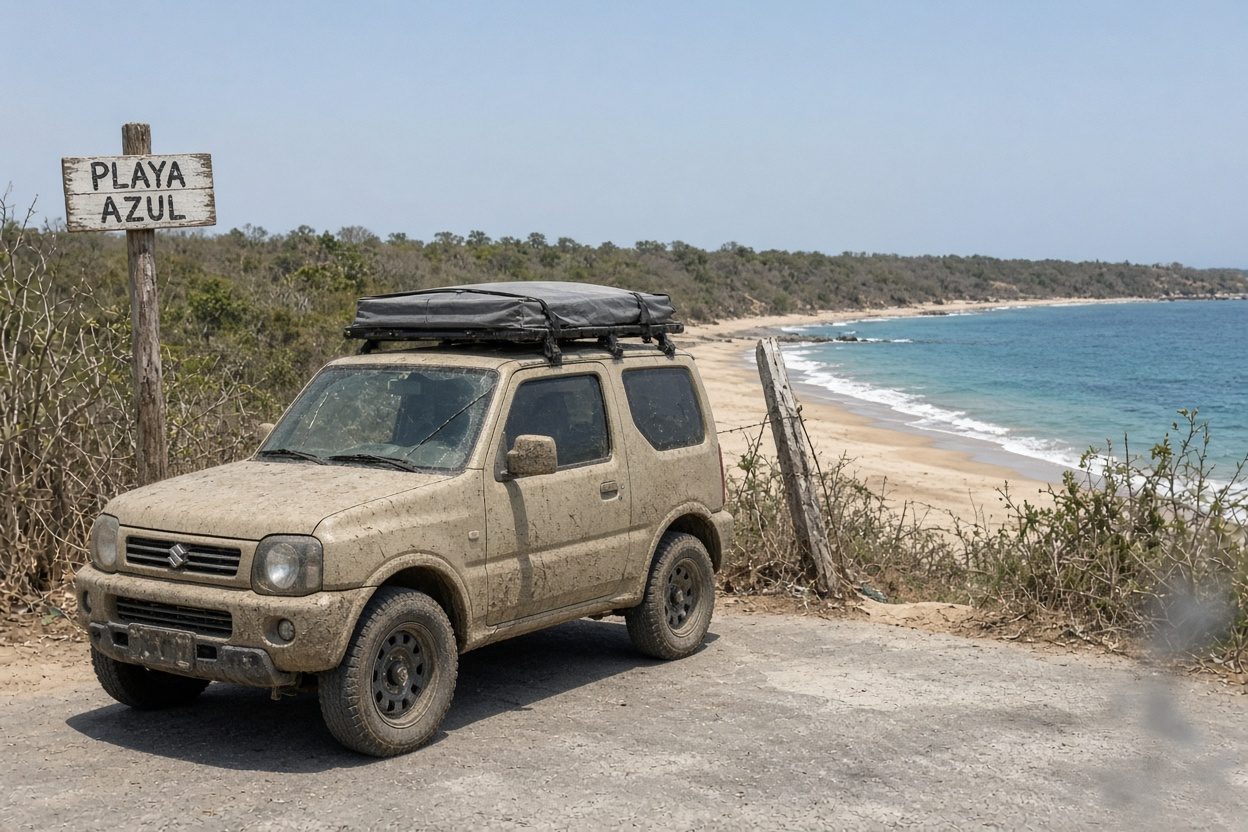
Most "digital nomad Costa Rica" guides sell you a fantasy of a hammock and a laptop. The reality is that reliable work happens on fiber and backup LTE, and reliable surf happens on a schedule. This ten-day basecamp is built for the person who actually has to log in — meetings, deadlines, a VPN — and still wants to paddle out at first light. It splits the trip cleanly: four working days in Tamarindo, the peninsula's most connected surf town, then a transfer south to Nosara, the quieter, wellness-tilted counterweight, for the back half. One car, two very different rhythms, zero resort-brochure fluff.
Why split instead of picking one? Because Tamarindo and Nosara solve different problems. Tamarindo is walkable, wired, social, and has the widest choice of cafés, coworking and services — ideal for the first days when you're still finding your feet and want a forgiving, gentle beach break out front. Nosara is protected inside the Ostional Wildlife Refuge, so it's greener, calmer and more disciplined about development — better for deep work, a yoga habit, and the world-class beginner-to-intermediate wave at Playa Guiones. Doing both, in this order, is the move.
This is a green-rated trip: paved-spine driving, no fords, no ferries. A compact 4x4 is plenty — you want clearance for the last dirt access roads into Nosara and the dry-season washboard, not a Land Cruiser. Come in dry season (December–April) for the biggest expat scene and the most events; come green season (May–November) for lower rents, emptier line-ups and afternoon rain you can plan around. Costa Rica also runs a formal Digital Nomad Visa if you're staying beyond the standard ~90-day tourist entry — worth checking before you book long.
Day by Day
Days 1–4 — Tamarindo basecamp. From Liberia (LIR) it's roughly 70–75 km and about 1h15 on good paved road to Tamarindo — the easiest airport-to-surf-town transfer in the country. Set up in a monthly-style rental with a desk and verified fiber (ask for a speed screenshot before you pay — see the connectivity note). Establish the routine immediately: dawn patrol on Tamarindo's mellow beach break, breakfast, then a work block. For a proper coworking desk, Tamarindo has day-pass options (musa is one current spot with day passes; Coconut Office over in nearby Playa Hermosa advertises fiber and 300 Mbps) — verify which are operating and their speeds when you arrive, because the town's coworking scene turns over fast (the Selina chain that many old guides recommend went insolvent and closed its Costa Rica properties in 2024). Use Day 3 for a weekend-style break: cross the estuary to Playa Grande — a short drive around via Huacas/Matapalo (the estuary mouth is not a driveable shortcut; go around) — for a bigger, emptier wave and, in season (Oct–Feb), leatherback nesting at Las Baulas at night. Eat cheap and well at the town's sodas; splurge one night on the Tamarindo restaurant strip.
Day 5 — Tamarindo → Nosara. The transfer south is the one stretch that demands attention: it's only about 60–70 km but takes 2–2.5 hours on slow, partly-unpaved inland roads, and it crosses the peninsula's notorious fuel gap between Tamarindo and Nosara. Fill the tank in Tamarindo (or top off at Santa Cruz) before you leave, and do not attempt the coastal river-crossing "shortcuts" you'll see on some maps — take the inland route through Santa Cruz. The last stretch into Nosara is dirt and dusty in dry season, greasy in the wet — this is where the 4x4 earns its keep. Arrive, settle near Playa Guiones, and reset.
Days 6–9 — Nosara. Fall into the Nosara version of the routine: surf Guiones at the tide window, work through the middle of the day, yoga or a sunset walk to close. Guiones is walkable end to end, so many nomads park the car and bike. Coworking here clusters near Guiones (memberships run roughly $150–250/month; verify current operators, again mindful of the Selina closure). Bank one wildlife morning: drive up to Ostional (about 20–30 minutes north on rough road) — if an arribada mass sea-turtle nesting event is running, it's one of the planet's great wildlife spectacles, but dates are unpredictable, so treat it as a bonus, not a booking, and use a licensed local guide. Keep one afternoon for the Nosara River estuary or a spa day.
Day 10 — Nosara → LIR. Give yourself a generous buffer: Nosara back to Liberia is roughly 2.5–3 hours depending on the road out (via Nicoya and the paved highway), and you don't want dust or a slow truck to make you miss a flight. Fuel up leaving Nosara.
Signature Stops
- Playa Tamarindo & the estuary — Forgiving beach break out your door, plus the Tamarindo Wildlife Refuge estuary for a mangrove paddle on a rest day.
- Playa Grande / Las Baulas — A longer, less-crowded wave a short drive away, and a protected leatherback nesting beach (Oct–Feb) at night.
- Playa Guiones (Nosara) — Consistent, sandy-bottom beginner-to-intermediate surf inside a protected refuge; the reason nomads stay for months.
- Ostional Wildlife Refuge — Site of the massive arribada olive-ridley nesting events; timing is nature's call, so keep it flexible and guided.
Where to Stay
- Tamarindo (Nights 1–4): Monthly-style rentals and aparthotels with desks and fiber near the town center; ask for verified speeds. Coconut Office (Playa Hermosa, nearby) and in-town coworking for a proper desk.
- Nosara (Nights 5–9): Guiones-adjacent rentals within walking/biking distance of the beach and coworking; longer stays get better rates outside December–April.
Logistics & Road Reality
- Tag: 🟢 overland throughout — paved spine, no ferries, no fords. The only rough bits are the inland Tamarindo→Nosara road and Nosara/Ostional access.
- Fuel: The Tamarindo–Nosara gap is real — tank up before the transfer, and again before the Ostional run and the final drive out.
- Connectivity (the whole point): In-town Guiones and central Tamarindo have solid fiber (villas advertise 100–250+ Mbps), but rural outskirts are slower and storms cause outages. Verify wifi/Starlink speeds before committing to any long stay — get a screenshot, not a promise. Carry a local SIM (Kölbi, Claro or Movistar) for LTE backup; a mobile hotspot or a Starlink-equipped rental is the pro move for meeting-critical work.
- 4x4: A compact 4x4 is right — clearance for the dirt into Nosara/Ostional without the bulk you don't need in town.
- Season: Any time works; dry Dec–Apr for scene and events, green May–Nov for price and quiet.
- Safety: Both towns are among Guanacaste's safer, but petty theft happens — don't leave laptops/boards unattended on the beach, lock the rig, and use secure networks/VPN.
Insider Tips
- Negotiate the second half in Nosara for a weekly/monthly rate — the back-loaded stay is where the deal is.
- Bike Guiones and park the car; you'll only really need the 4x4 for Ostional, waterfalls and the transfers.
- Time work blocks to the tide, not the clock — surf the good window, then work through the flat, hot middle of the day.
- Keep the Ostional arribada loose: it can trigger any month (peaks in the wet season) and no one can promise dates — a licensed guide will know if one's running.
- Don't trust a two-year-old nomad blog for coworking or wifi — the scene churns and one big brand already vanished; confirm on the ground.
Reserve Your Rig
A compact 4x4 is the ideal work-and-waves basecamp vehicle: nimble in town, capable on the Nosara dirt, easy on fuel over ten days. Add surf racks, and ask us about a Starlink-equipped rig or hotspot loan plus SIM setup and laundry/logistics so your first Monday meeting goes off without a hitch.
Before you go
Do you need a 4x4?
paved all the way — 2WD ok
Best window to fly
Any (dry season Dec–Apr best; green season quieter & cheaper)
Offline first
Download your route and offline maps before you leave the lot — signal drops on the best stretches.
Golden rule
Never drive at night — plan arrivals before dark, and use Waze like the locals do.
VerifiedCR · No counter surprises
What a Costa Rica rental actually costs
The number one thing that rattles first-timers is the price jumping at the counter. Here is the honest math, before you get there.
- Advertised daily rate$12–40 / day
- What the booking sites show. It is real — but it is not the whole price. Nobody pays only this.
- Mandatory liability (TPL / SLI)+$15–25 / day
- Required by Costa Rican law on every rental. Cannot be waived. This is the line the cheap ads leave off — it roughly doubles the sticker price. Budget for it.
- Collision damage (CDW)waivable
- Often $20–40/day — but you can usually decline it if your credit card includes rental coverage (Amex, Visa Signature, Chase Sapphire and others). Call your card, ask for a coverage letter, and bring it printed.
- Security hold on your card$1,000–2,500
- A hold, not a charge — released after you return the car clean. Some agencies hold more. Make sure your card has the headroom before you fly.
The verified-rig promise: when you reserve through VerifiedCR, the rig is inspection-checked and the operator is vetted — the price you are quoted is the price you pay. No mystery line items at pickup.