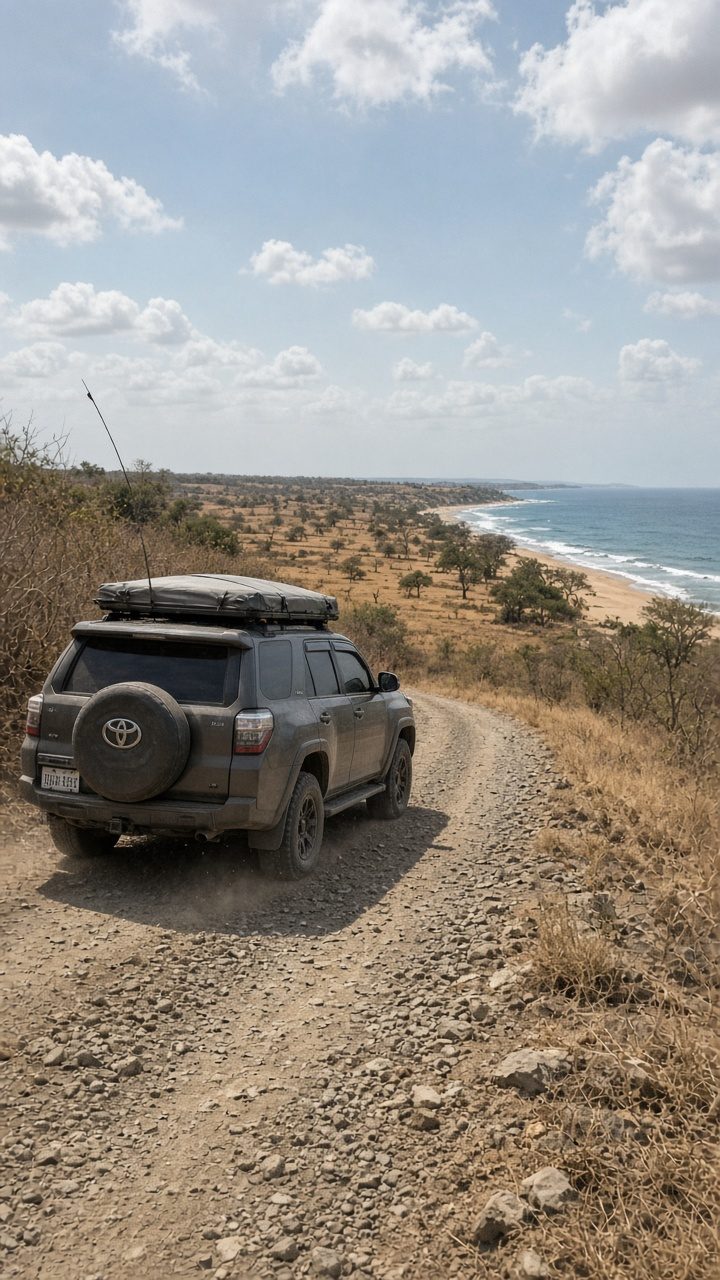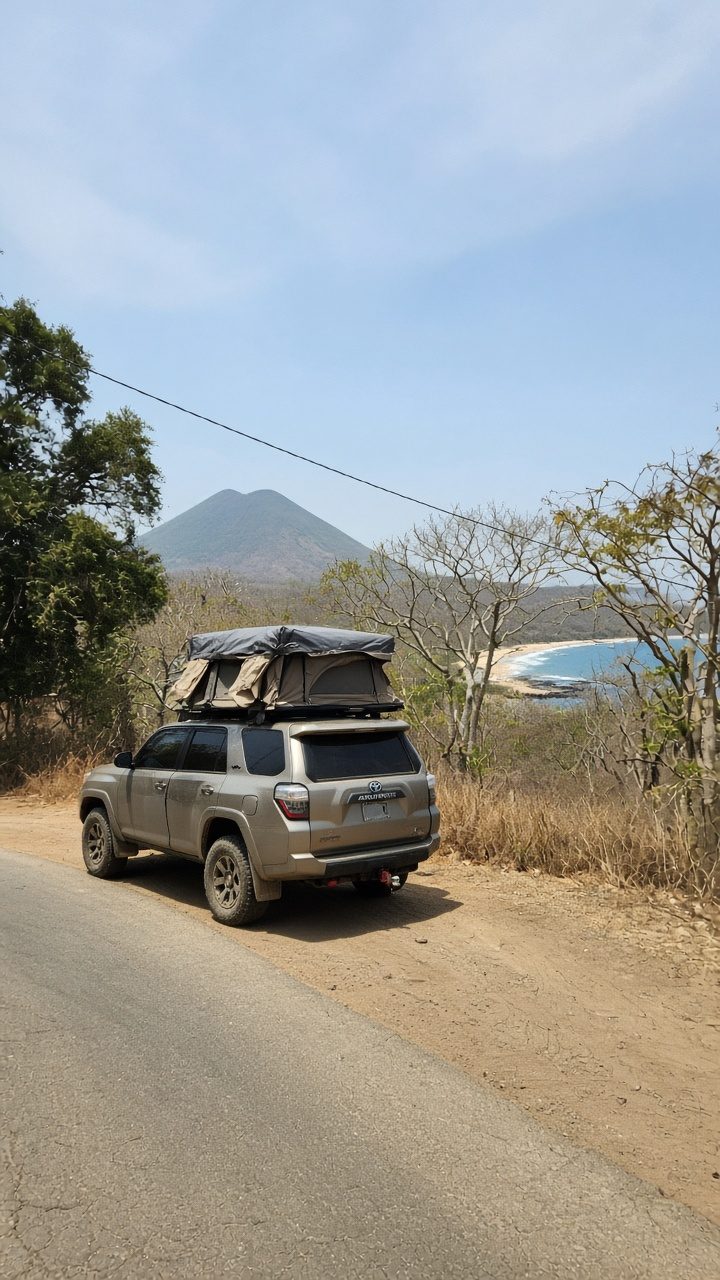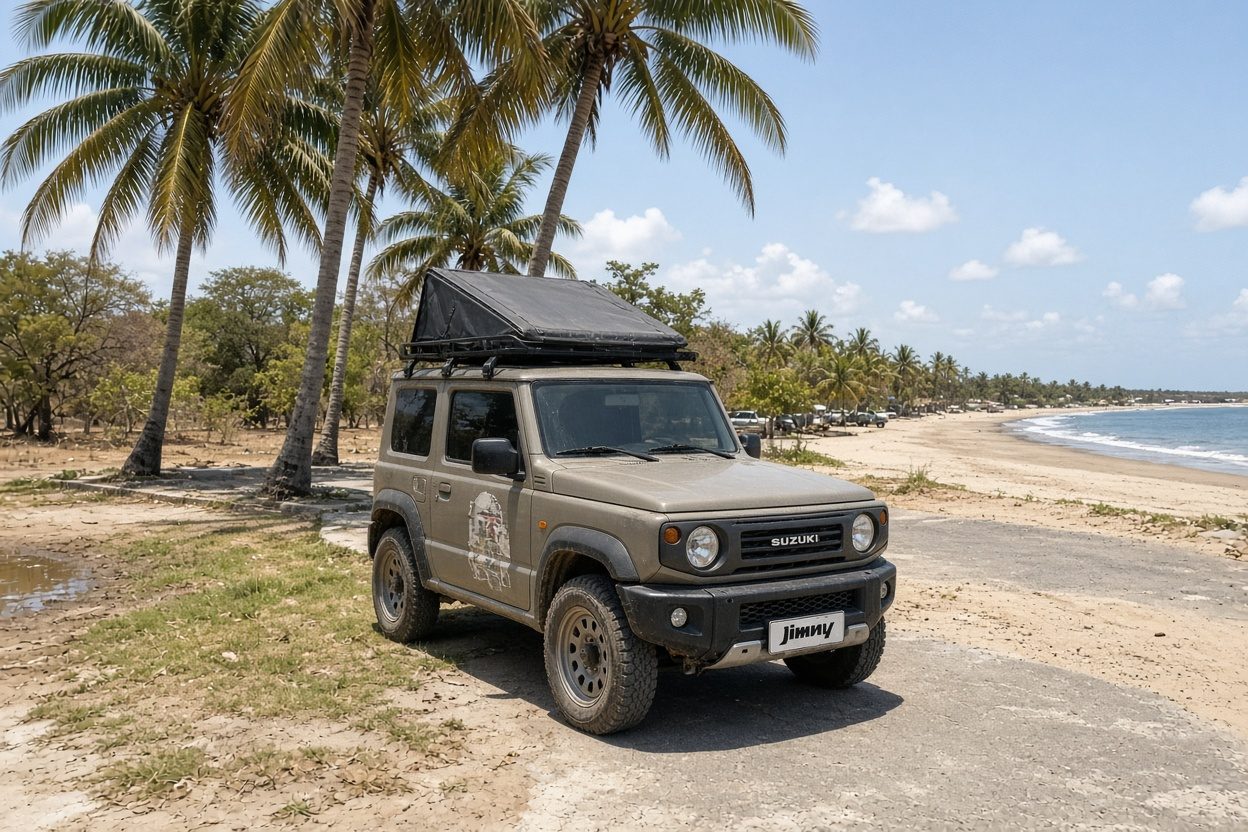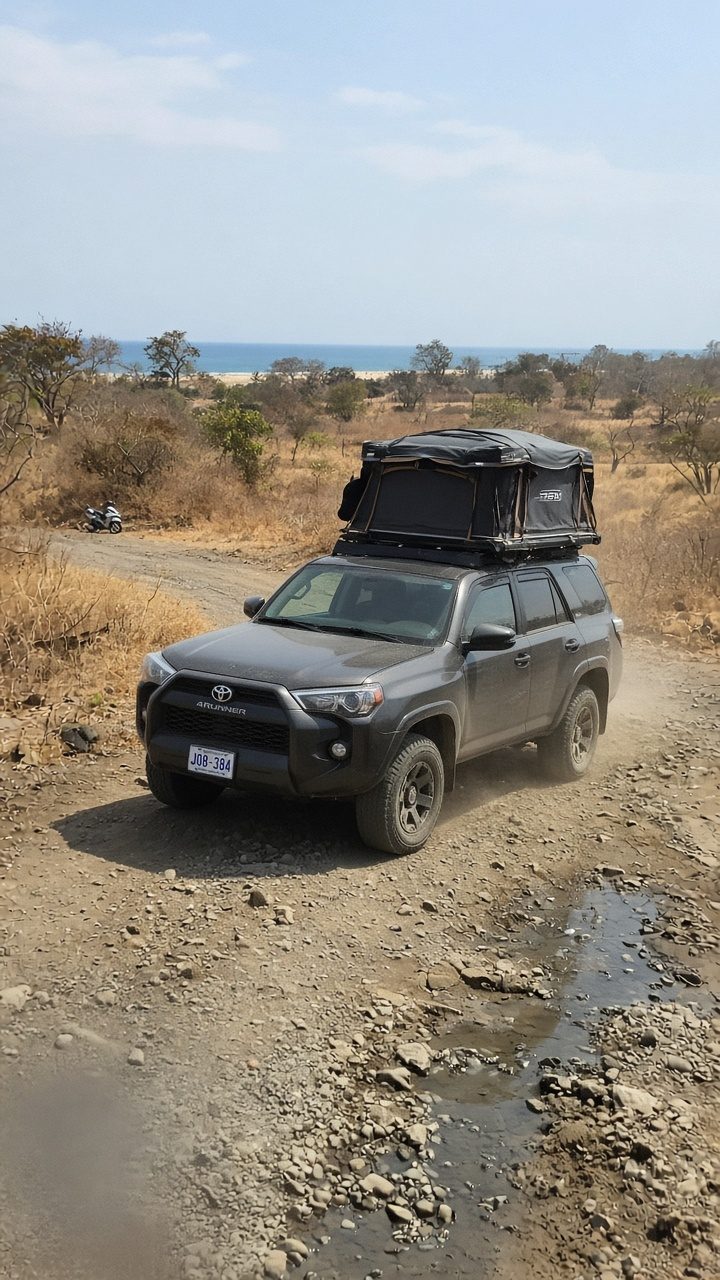
Everyone else in Guanacaste is fighting for a beach chair. You are going the other way — inland, into the dry tropical forest that once blanketed this whole coast before the resorts arrived. This five-day loop trades sand for two of Costa Rica's most under-visited national parks: Barra Honda, a limestone hill riddled with 42 caves, and Palo Verde, a Ramsar-listed wetland on the Río Tempisque where thousands of water birds pack the shrinking dry-season lagoons. It is quiet, hot, geologically strange, and full of animals — the anti-Tamarindo.
This is a trip for the naturalist who reads the interpretive signs, carries binoculars, and would rather rappel 60 meters into a pitch-black cavern than sit at a beach bar. It suits birders (Palo Verde records well over 250 species), amateur geologists, and families with older kids (the caving tour requires children to be 10+). It is rated amber because the caving descent is physical, the days are genuinely hot, and a couple of park access roads are rough — but the spine of the route is paved Route 21 and it never demands a Land Cruiser.
Why do it this way instead of a day-tour bus from Tamarindo? Because with your own rig you hit the wetlands at dawn when the birds are active, you overnight at the parks instead of racing back to a resort, and you set your own pace between two ecosystems most package tourists never see. This is the version a field guide would drive.
Day by Day
Day 1 — Liberia (LIR) → Barra Honda (≈80 km / 1.5 hr, paved 🟢). Collect your rig at Liberia, provision at the Automercado or Maxi Palí in town (there is no store at the park), and roll south on Route 21 toward Nicoya. The turnoff to Barra Honda is well signed; the final few kilometers to the ranger station and campground are gravel but fine in dry season. Spend the afternoon on the self-guided surface trails — you don't need a guide for these — and settle in early, because the cave tour is a morning-only affair. Eat: stop in Nicoya town for a casado at one of the sodas around the central park before heading up. Sleep: the Barra Honda community campground at the ranger station (basic — bathrooms, cold water, palapa shade; run by the local ASADA/community association). Booking note: reserve caving and confirm the campground by phone — 2659-1551, 8721-2444, or 8539-1010; there is no online booking.
Day 2 — Barra Honda cave descent + La Cascada (in-park, minimal driving). You must be inside the park and checked in before 1 PM to join a guided tour, so go early to beat the heat. A guide is mandatory and you are fitted with a harness and helmet before descending a fixed ladder into Terciopelo, the only cavern currently open to non-expert visitors — 60 meters down through galleries named for their formations (the "fried eggs" chamber among them). Budget a full 3–4 hours: roughly a 1.5-hour uphill hike each way plus the descent itself. Foreign entry runs about $10 and the cave tour about $25 per person for self-drivers. In the afternoon, if it has been a wet year, ask rangers about the seasonal La Cascada travertine terraces — mineral pools that only form and hold water in certain conditions. Flag: La Cascada's pools are seasonal and their access status varies — verify locally the morning you arrive. Sleep: Barra Honda campground again.
Day 3 — Barra Honda → Palo Verde / Tempisque basin (≈70–90 km depending on approach, mixed 🟡). Drop back to Route 21 and work toward the Tempisque wetlands. There are two ways in: the OTS Palo Verde Biological Station deep inside the park (rough interior road, dry-season only, advance arrangement essential), or the more comfortable private reserve at Rancho Humo Estancia near Puerto Humo, which sits at the park's edge with lodge rooms and its own dock. Flag: OTS station stays and day visits require advance booking and are aimed at researchers/groups — confirm availability and road condition before committing; the SINAC contact line for the park is +506 2206-5965. Sleep: Rancho Humo Estancia (comfortable, birding-focused) or the OTS station if arranged.
Day 4 — Tempisque river safari + Palo Verde birding (boat + easy trails 🟢). Do the Río Tempisque boat tour at first light — a roughly 1.5-hour drift in a covered motorized boat past Isla de Pájaros (Birds Island), where you'll see roseate spoonbills, jabiru storks, herons, and dense crocodiles hauled out on the banks. Dry season is deliberately the peak: as the wetlands shrink, birds concentrate around the last water and the sightings get dense. Spend the afternoon on Palo Verde's short interpretive trails and the limestone overlook. Sleep: Rancho Humo / OTS again.
Day 5 — Palo Verde → Liberia via Route 21 (≈100 km / 2 hr, paved 🟢). A relaxed morning walk, then an easy paved run back up Route 21 to Liberia for your flight or rig return. If you have time, the roadside Llanos de Cortés waterfall near Bagaces is a worthwhile last stop on the way north.
Signature Stops
- Terciopelo Cavern (Barra Honda): The only publicly accessible cave — a harness-and-ladder descent 60 m into total silence and darkness, past stalactite chambers that took millennia to form. Genuinely unlike anything on the coast.
- Isla de Pájaros / Río Tempisque: A single boat ride nets spoonbills, jabirus, and basking crocodiles; the Tempisque is one of the best wildlife-density rivers in the country during the dry months.
- Palo Verde dry-season wetlands: A Ramsar site where receding water forces hundreds of birds into tight, viewable concentrations — the reason serious birders come Dec–Apr.
- La Cascada travertine pools (seasonal): When they run, mineral terraces you can soak in — a rare karst feature. Verify status on arrival.
Where to Camp / Stay
- Nights 1–2: Barra Honda community campground (ranger station) — basic, book by phone.
- Nights 3–4: Rancho Humo Estancia (Puerto Humo, lodge + boat dock) or the OTS Palo Verde Biological Station (advance arrangement only).
- Fallback: Nicoya town hotels if the campground is full or roads are wet.
Logistics & Road Reality
- Vehicle: Mid 4x4 is right — the Route 21 spine is paved (🟢 overland), but the park access spurs (especially to the OTS station) are rough gravel and river-basin tracks (🟡, closer to 🔴 if wet).
- Fuel & supplies: Fill up in Liberia or Nicoya. There is no store, fuel, or restaurant inside Barra Honda — bring all water, food, and snacks. Cell coverage is patchy in both parks.
- Permits & timing: Barra Honda caving must be reserved by phone and entered before 1 PM; children under 10 are not allowed underground. Palo Verde/OTS require advance contact.
- Season: Dec–Apr is the sweet spot — driest roads, safest caving, and peak concentrated birding. Wet season floods the interior tracks and disperses the birds.
- Safety: The caving descent is strenuous and not for anyone claustrophobic; the trail is hot and exposed. Watch for crocodiles near all Tempisque banks — stay in the boat.
Insider Tips
- Go underground early. Heat and the 1 PM cutoff both punish late starters; be at the ranger station by 8 AM.
- Two liters of water minimum for the cave hike — there is nowhere to buy anything at the park.
- Bring binoculars and a bird list. Palo Verde rewards patience; a scope or a hired local guide multiplies what you'll see.
- Dry season only for the interior. If it has rained hard, call ahead about the OTS road and La Cascada before you commit to that spur.
- Pair it with Llanos de Cortés on the drive back to Liberia for an easy freshwater swim.
Reserve Your Rig
This inland loop is a mid-tier 4x4 trip — enough clearance for the park gravel, no need for the full expedition Land Cruiser. Add a cooler and camp-kitchen kit for the Barra Honda nights, a quality headlamp for the cave, and binoculars from our add-on gear locker. Book your VerifiedCR mid 4x4 and we'll pre-load the Barra Honda reservation numbers and a dry-season road briefing.
Before you go
Do you need a 4x4?
gravel sections — 2WD ok in dry season
Best window to fly
Dec–Apr (Palo Verde birding peak; dry-season caving safest)
Offline first
Download your route and offline maps before you leave the lot — signal drops on the best stretches.
Golden rule
Never drive at night — plan arrivals before dark, and use Waze like the locals do.
VerifiedCR · No counter surprises
What a Costa Rica rental actually costs
The number one thing that rattles first-timers is the price jumping at the counter. Here is the honest math, before you get there.
- Advertised daily rate$12–40 / day
- What the booking sites show. It is real — but it is not the whole price. Nobody pays only this.
- Mandatory liability (TPL / SLI)+$15–25 / day
- Required by Costa Rican law on every rental. Cannot be waived. This is the line the cheap ads leave off — it roughly doubles the sticker price. Budget for it.
- Collision damage (CDW)waivable
- Often $20–40/day — but you can usually decline it if your credit card includes rental coverage (Amex, Visa Signature, Chase Sapphire and others). Call your card, ask for a coverage letter, and bring it printed.
- Security hold on your card$1,000–2,500
- A hold, not a charge — released after you return the car clean. Some agencies hold more. Make sure your card has the headroom before you fly.
The verified-rig promise: when you reserve through VerifiedCR, the rig is inspection-checked and the operator is vetted — the price you are quoted is the price you pay. No mystery line items at pickup.