Costa Rica sits on a spine of active and dormant volcanoes, and the northern half of the country lets you drive from one to the next in a single loop — from a jade crater lake you view from a boardwalk to fields of boiling mud, a river that turns impossibly turquoise, and finally the classic cone-shaped icon above La Fortuna. This nine-day traverse is built for travelers who want the geology and the reward: nearly every volcano day ends in a thermal soak.
The route is rated 🟡 rather than 🟢 because it covers real distance across two regions (the Central Valley highlands and Guanacaste's northwest) and because two of the four volcanoes are gated by weather, gas venting, or restoration closures. A mid-size 4x4 is the right rig — you won't need a Land Cruiser, but the approach roads to Rincón de la Vieja's Las Pailas sector and to Bijagua are rough enough that a low-clearance car struggles, especially in a passing shower.
One hard truth up front, and it drives the whole plan: Tenorio Volcano National Park (Río Celeste) is closed for restoration from 15 March 2026 through the 2026–2027 window, and the waterfall-base stairs have been closed since mid-2025. Verify the reopening status on the SINAC reservation portal before you build days 5–6 around it. Alternatives are noted below so the trip still works if the park is shut.
Day-by-Day
Day 1 — SJO/Alajuela to Poás (approx. 40–55 km, ~1.25–1.5 hr, paved). Pick up the rig near the airport and climb the coffee-country switchbacks toward Poás Volcano National Park. Roads are paved the whole way but foggy and slow above Poasito. Overnight in the Poasito/Fraijanes area to be first in line the next morning; eat at one of the roadside sodas or a mountain restaurant with a strawberry-farm view.
Day 2 — Poás crater, then west toward Guanacaste (long transfer day, ~4.5–5 hr to the Rincón area, paved via Rte 1). Poás requires a timed-entry SINAC reservation (serviciosenlinea.sinac.go.cr) — buy it in advance, arrive for your slot, and understand the crater can close with no refund when sulfur-dioxide venting spikes. The viewing is a short paved walk to the lookout over the milky-blue crater lake. From there it's a genuine haul down the Interamericana to Guanacaste; break the drive in Cañas or Bagaces. Overnight near Curubandé/Liberia at a hacienda-style lodge that doubles as your Rincón basecamp.
Day 3 — Rincón de la Vieja, Las Pailas sector (last ~5–6 km is rough gravel, 4x4 helpful). The Las Pailas loop is the payoff: bubbling mud pots (pailas), steam vents, and a mini-volcano of boiling clay, all on a well-marked 3 km circuit. Reserve park entry through SINAC. Afternoon: soak at the Río Negro hot springs on the Hacienda Guachipelín property or a comparable Curubandé thermal spot. Eat at the hacienda restaurant.
Day 4 — Rincón waterfalls or canopy day. Hike to La Cangreja or the smaller La Leona waterfall inside the park (longer trails, half-day), or trade a hike for ziplines/tubing at the adventure haciendas nearby. Second night at your Curubandé base. This is the day to build in weather buffer — the park closes trails in heavy rain.
Day 5 — West/east to Bijagua for Tenorio (approx. 1.5–2 hr from the Liberia area, paved to Bijagua). ⚠️ Confirm Tenorio is open before committing. If the park has reopened, base in Bijagua tonight and do a sloth-and-nature tour on a private reserve. If it's still closed for restoration, substitute a full day at Llanos de Cortés waterfall (near Bagaces) plus Las Hornillas mud/steam craters on the Miravalles flank — a working geothermal alternative that keeps the "volcano" theme alive.
Day 6 — Río Celeste hike (Tenorio NP) — conditional. If open: the 3.2 km trail passes the turquoise river, the teñideros (where two streams mix and the water turns blue), and hot springs; the waterfall-base stairs may still be closed, so you view the falls from the upper platform only. No mobile signal in the park; SINAC ticket required. If closed: continue toward Arenal a day early and add a Bijagua chocolate/sloth combo.
Day 7 — Bijagua to La Fortuna/Arenal (approx. 1.5–2 hr, paved). Settle in below Arenal's cone. Afternoon on the 1968 lava-flow trail in Arenal Volcano National Park for the classic cone view, then the paid thermal circuit at Tabacón or a comparable resort spring. Dinner in La Fortuna town.
Day 8 — Arenal free river + waterfall. Morning at the free Río Tabacón (the public hot river below the resort) — ⚠️ no lifeguards and real flash-flood risk after upstream rain, so never enter if the water is rising or brown. Afternoon at La Fortuna Waterfall (paid entry, steep staircase). Final night in La Fortuna.
Day 9 — Return to SJO (approx. 3–3.5 hr, paved). Drive out via the lake or the direct route, dropping the rig near the airport.
Signature Stops (why go)
- Poás crater lake — one of the few places on earth you can walk to the rim of an active crater and look down on a steaming acid lake.
- Las Pailas at Rincón — boiling mud and fumaroles you can stand beside; the most tactile volcano experience in the country.
- Río Celeste (if open) — the "painted" turquoise river, a genuine natural-chemistry wonder.
- Arenal's cone + Tabacón — the postcard volcano followed by mineral hot springs fed by the same system.
Where to Camp / Stay (named)
- Curubandé / Rincón base: Hacienda Guachipelín (rooms + on-site Río Negro springs) or a nearby hacienda lodge — book direct.
- Bijagua: small eco-lodges and B&Bs in town; several offer the sloth-reserve tour.
- La Fortuna: wide range from budget cabinas in town to Volcán Arenal Ecological Park with volcano-view sites — reserve ahead in dry season.
Logistics & Road Reality
- Fuel: 🟢 easy on this loop — top up in Alajuela, Liberia, and La Fortuna; no long gaps.
- 4x4: 🟡 needed for the last gravel to Las Pailas and Bijagua-area lodges; the highway spine is fully paved.
- Permits: 🔴 Poás and Rincón and Tenorio all require SINAC reservations; Poás can close on gas with no refund; Tenorio closed for restoration Mar 2026–2027, verify.
- Season: Dec–Apr for crater clarity; green season means fuller waterfalls but more trail closures and mud.
- Connectivity: 🔴 no signal inside Tenorio; patchy near Rincón.
- Safety: free-river soaking has no lifeguards and flash-flood risk; volcanic-gas advisories at Poás are real — heed the rangers.
Hot-Springs Guidance (paid vs free, and which volcanoes gate you)
Plan around the reservations, not the map: Poás and Tenorio release timed slots and sell out in high season, and Poás can shut same-day on gas. Check the "which volcanoes are open today" status before each leg. For soaking, decide your tier: paid resort springs (Tabacón, Río Negro, Guachipelín) give landscaped pools, changing rooms and a bar; the free Río Tabacón and community springs cost nothing but have no facilities, no lifeguards, and flash-flood exposure. Mix both — a paid soak after Rincón, a free one at Arenal.
Insider Tips
- Book Poás for the first slot of the day — clouds swallow the crater by mid-morning most days.
- Carry cash for community hot springs and small sodas in Curubandé and Bijagua.
- Wear closed water shoes at Las Pailas — the ground is hot and the mud stains.
- If Tenorio is closed, Las Hornillas + Llanos de Cortés is the strongest volcano-and-water substitute and keeps you on route.
- Never enter the free Río Tabacón if the water is rising, discolored, or it's raining upstream.
Reserve Your Rig
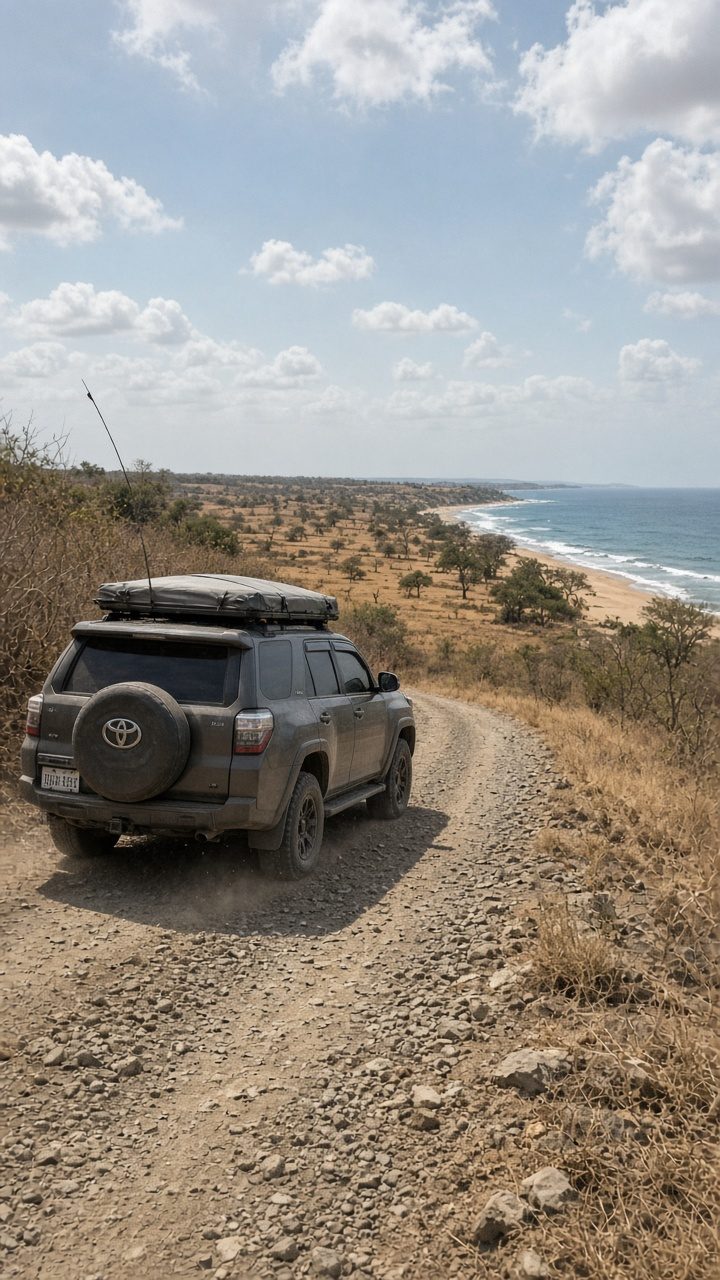
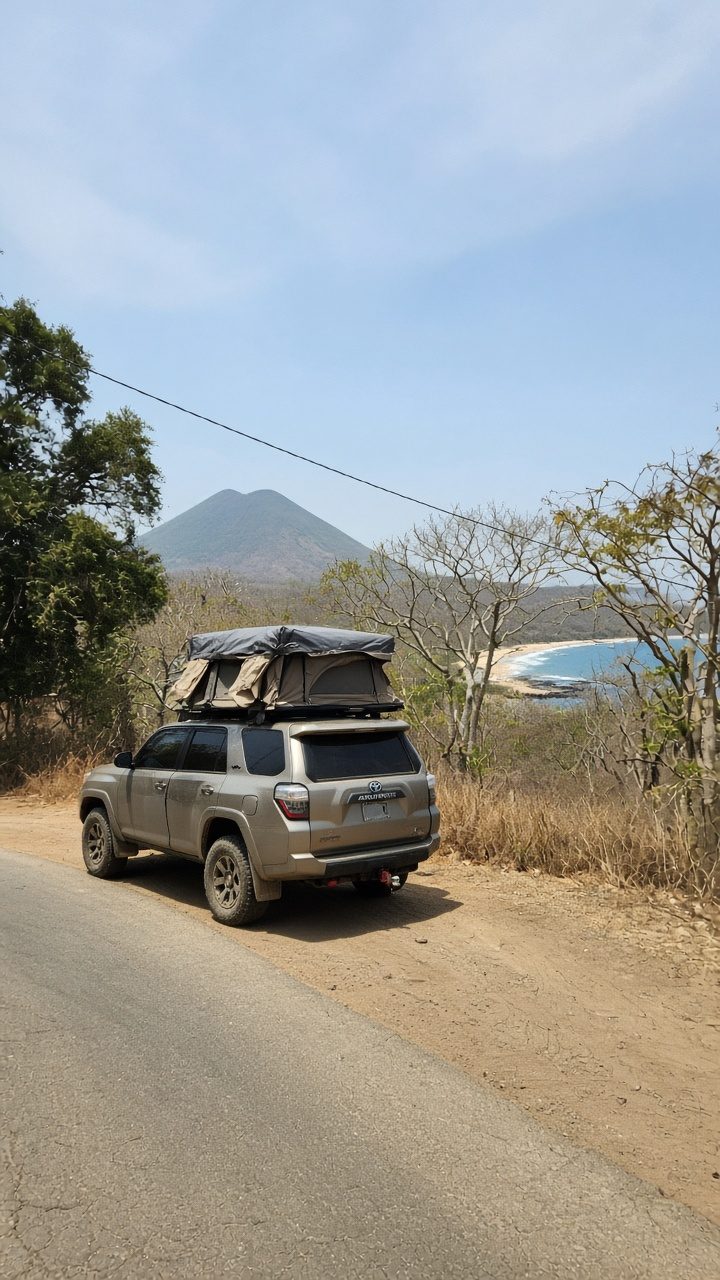
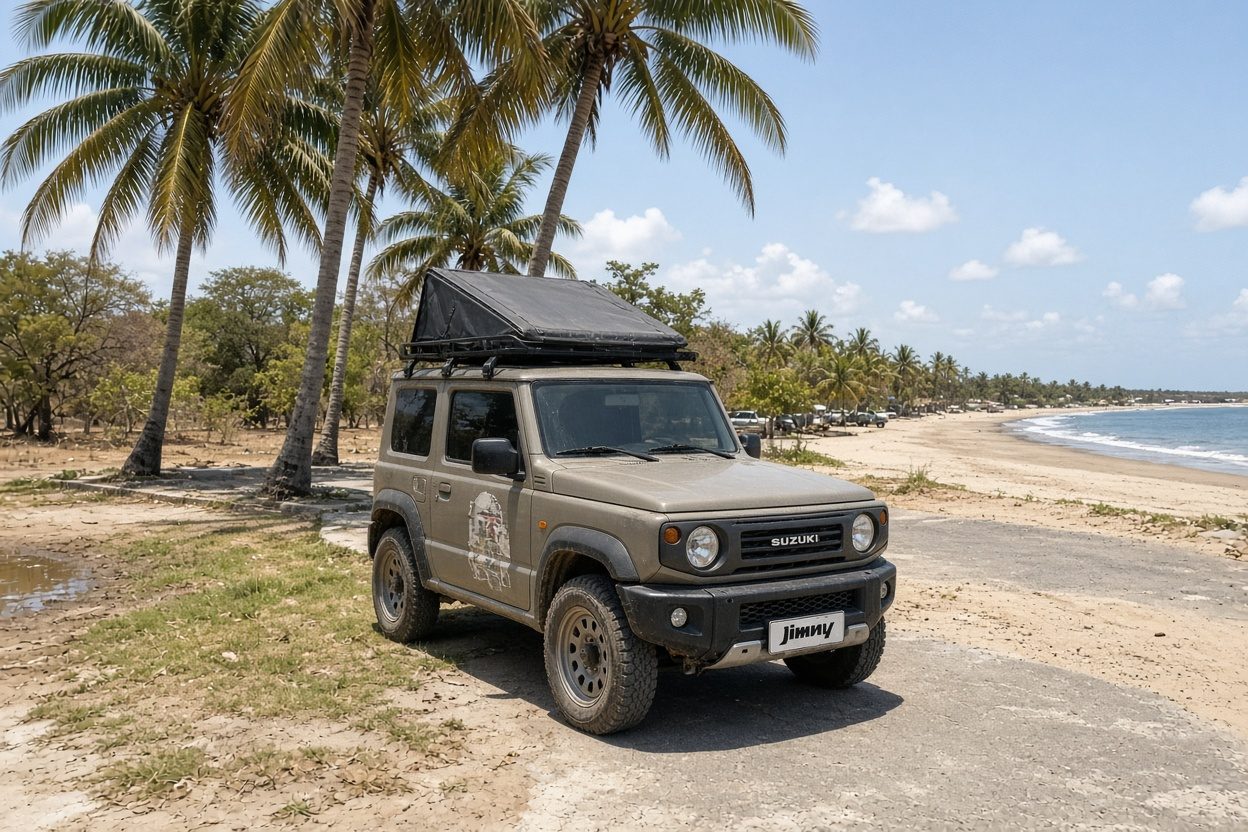
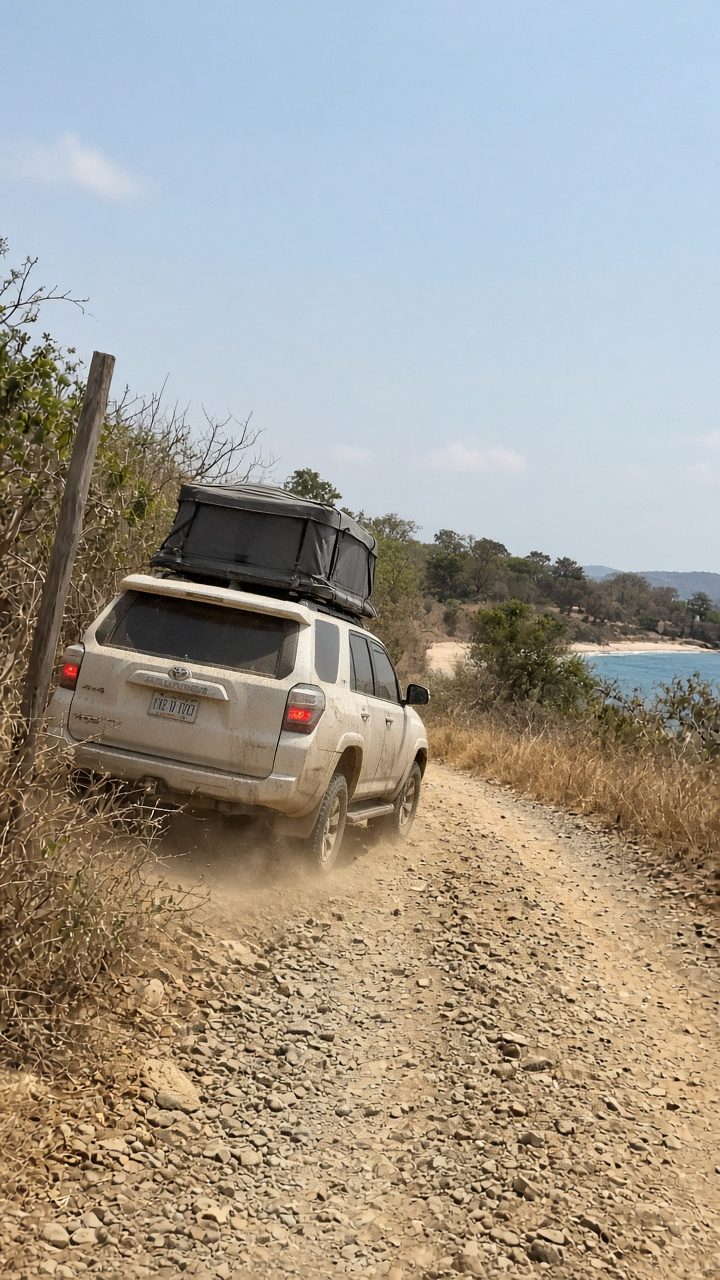
This traverse rewards a capable mid-size 4x4 with real ground clearance for the gravel approaches to Las Pailas and Bijagua. VerifiedCR outfits your vehicle for the northern volcano loop — offline maps loaded, a route pack with live park-status notes, and a camp/soak kit so you can chase craters by day and mineral water by dusk. Reserve your rig and let us pre-check every SINAC reservation before you roll.
Before you go
Do you need a 4x4?
gravel sections — 2WD ok in dry season
Best window to fly
Dec–Apr (dry, best crater clarity)
Offline first
Download your route and offline maps before you leave the lot — signal drops on the best stretches.
Golden rule
Never drive at night — plan arrivals before dark, and use Waze like the locals do.
VerifiedCR · No counter surprises
What a Costa Rica rental actually costs
The number one thing that rattles first-timers is the price jumping at the counter. Here is the honest math, before you get there.
- Advertised daily rate$12–40 / day
- What the booking sites show. It is real — but it is not the whole price. Nobody pays only this.
- Mandatory liability (TPL / SLI)+$15–25 / day
- Required by Costa Rican law on every rental. Cannot be waived. This is the line the cheap ads leave off — it roughly doubles the sticker price. Budget for it.
- Collision damage (CDW)waivable
- Often $20–40/day — but you can usually decline it if your credit card includes rental coverage (Amex, Visa Signature, Chase Sapphire and others). Call your card, ask for a coverage letter, and bring it printed.
- Security hold on your card$1,000–2,500
- A hold, not a charge — released after you return the car clean. Some agencies hold more. Make sure your card has the headroom before you fly.
The verified-rig promise: when you reserve through VerifiedCR, the rig is inspection-checked and the operator is vetted — the price you are quoted is the price you pay. No mystery line items at pickup.