Why the Gulf of Papagayo is Costa Rica's easiest blue-water trip
The Gulf of Papagayo is the fishing traveler's soft landing. It sits barely 30–45 minutes by paved road from Liberia's Guanacaste Airport (LIR), which means you can be aboard a boat the morning after you land without a single dirt-road transfer or internal flight. The waters off this coast are among the most productive billfish grounds in the country, and the dry-season window from December through April is the peak: Pacific sailfish are abundant here from roughly December into May, and blue, black, and striped marlin all move through the same warm, nutrient-rich water in those same months. That overlap of easy access and prime season is exactly why anglers who want a serious offshore trip and a comfortable bed choose Papagayo over the wilder south.
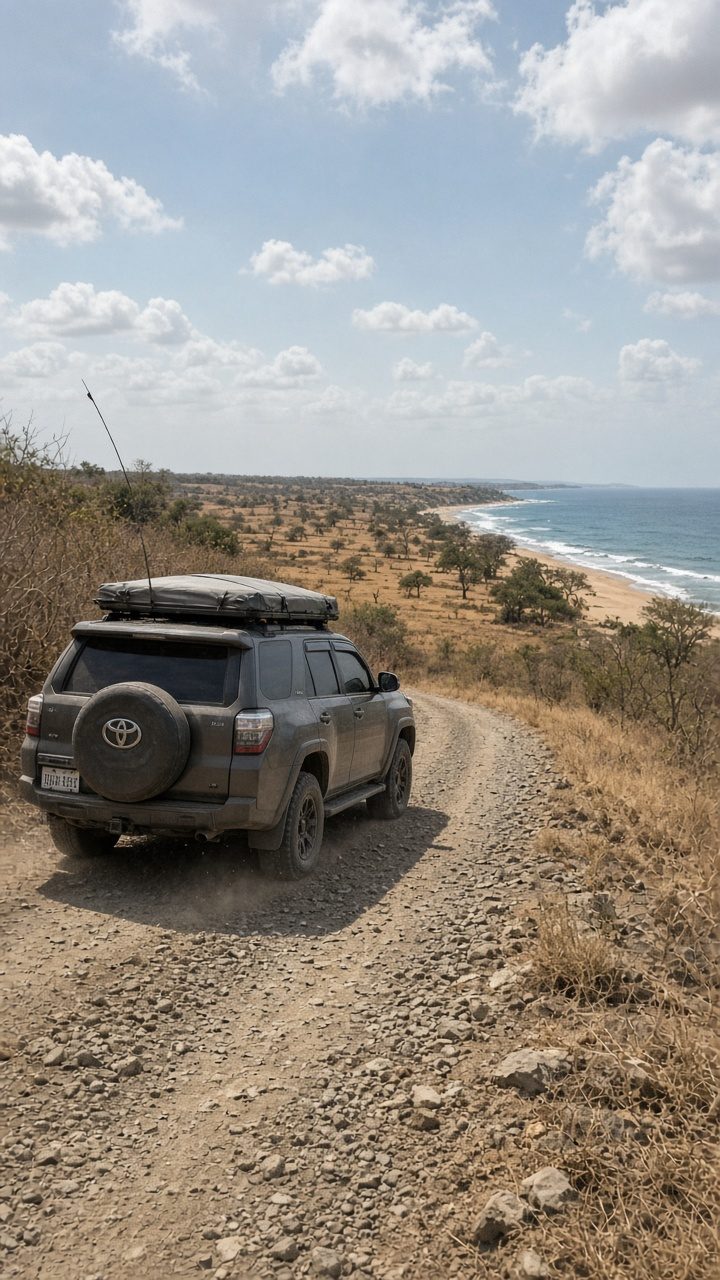
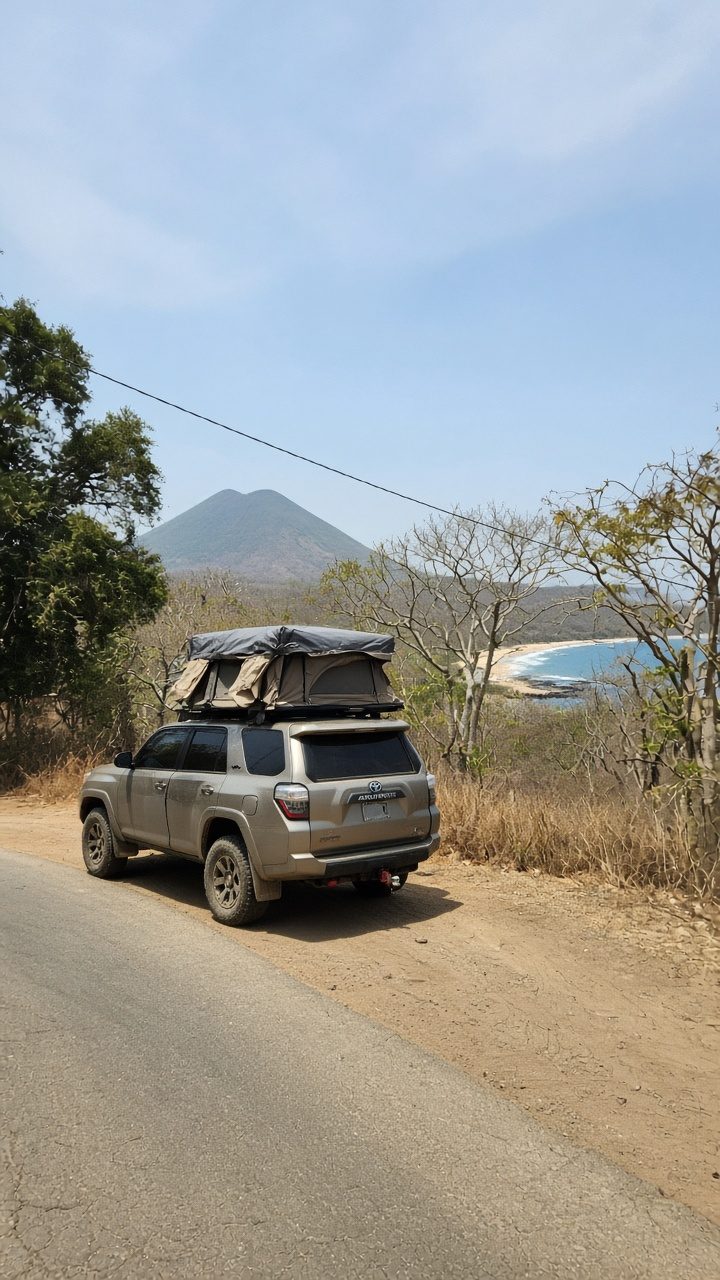
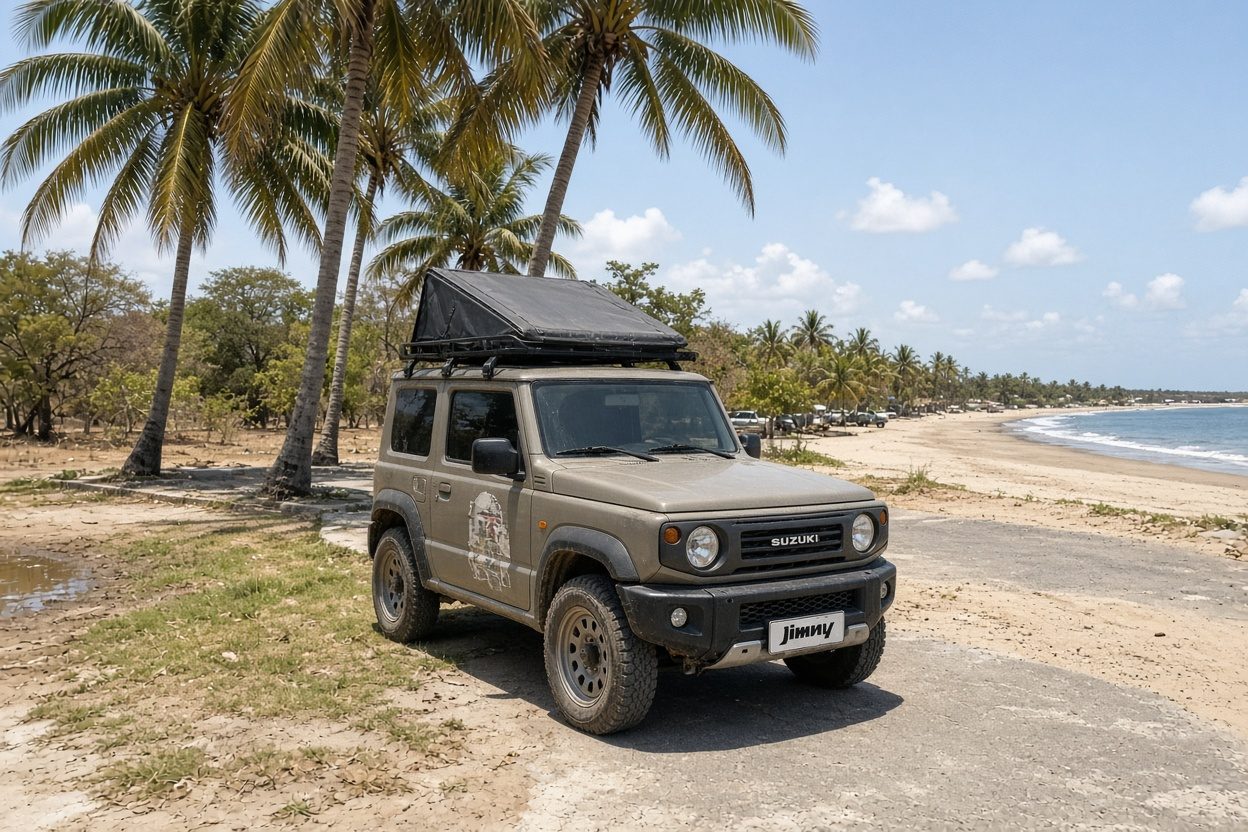
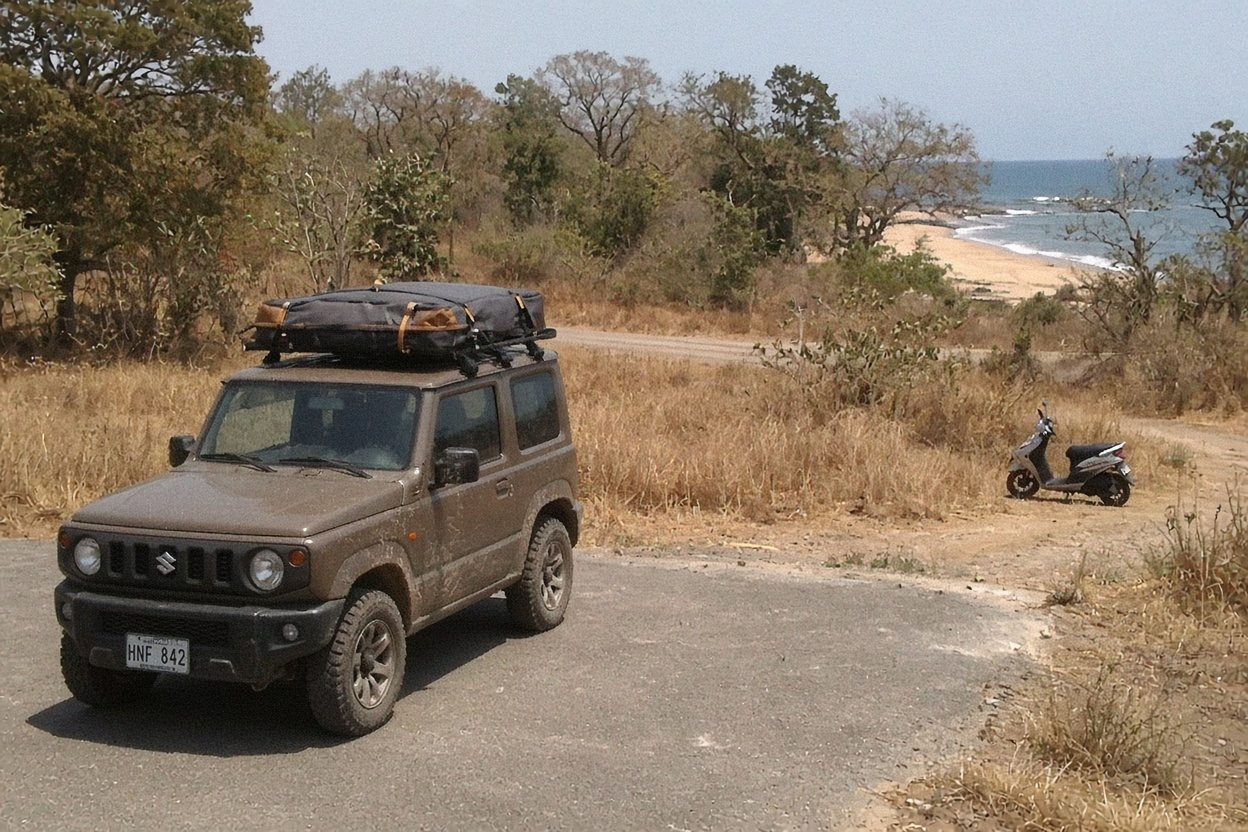
This is a 🟢 itinerary in the truest sense — the driving is minimal and entirely paved, the marina is full-service, and your effort goes into the fishing, not the logistics. You base near the water for five nights, alternate hard offshore days with lighter inshore mornings, and let the rig sit at the resort while a chartered boat does the running. The vehicle here is a support tool, not the adventure: a compact 4x4 is plenty for the paved hop between LIR, the Papagayo peninsula, and the Playas del Coco marina strip.
A word on ethics and expectations before you book. Costa Rica is a leader in billfish conservation — sailfish and marlin are released, not killed, and reputable captains rig circle hooks and revive fish boatside. Roosterfish are catch-and-release by law (enforced by INCOPESCA, with tagging programs run by the non-profit FECOP), and circle hooks are mandatory on all bait. Book a captain who fishes this way; it is both the law and the reason the fishery stays world-class.
Day by day
Day 1 — LIR → Gulf of Papagayo (~35 km, 30–45 min, paved 🟢). Collect the 4x4 at Liberia and roll straight to the Gulf. The drive is flat highway and well signed; you'll be checked in with daylight to spare. Provision at the Playas del Coco or Do It Center supermarkets on the way — offshore days start before dawn and you'll want your own water, electrolytes, and snacks. Base yourself on the Papagayo peninsula or in nearby Playa Hermosa/Coco for the week. Spend the afternoon confirming your charter, meeting the captain if possible, and pre-paying the marina slip so morning departure is friction-free. Sunset dinner on Playa Hermosa or in Coco town.
Day 2 — Full-day offshore out of Marina Papagayo (blue water). This is the marquee day. Marina Papagayo is the region's full-service base, and a full day (typically 8–9 hours) puts you over the offshore banks where sailfish and marlin hunt. Expect a bait run first, then trolling and pitch-baiting the tease. December–April is prime time; a good day can raise multiple sailfish. Everything is released. Bring sun protection, and if you're prone, take motion-sickness medication the night before and again at dawn. Back at the dock by mid-afternoon; a quiet dinner and an early night.
Day 3 — Rest morning + inshore roosterfish (half-day). Trade the horizon for the rocks. A half-day inshore trip works the headlands, reef edges, and river-mouth current lines close to shore for roosterfish (catch-and-release, circle hooks), plus cubera snapper, jack, and grouper. Pangas are the affordable, ideal boat for this work. Mornings and moving tides fish best, so you'll be off the water by lunch — leaving the afternoon for the pool, a beach walk on Playa Panamá, or a spa hour. Casual seafood dinner in Coco.
Day 4 — Dawn sailfish run. For the last fishing day, go early. A dawn departure catches the calmest water and the most active bite. Depending on conditions and your captain's read, this can be a shortened offshore push for sailfish or a run toward the Bat Islands (Islas Murciélagos) area — remote, uninhabited water inside Santa Rosa National Park's marine zone that's loaded with life (confirm with your captain that any Bat Islands trip respects park rules). Ashore by early afternoon to clean up, celebrate, and pack.
Day 5 — Gulf of Papagayo → LIR (30–45 min, paved 🟢). Slow morning, then the short paved run back to Liberia for your flight. Fuel the 4x4 at the Coco or airport-road station before returning it.
Signature stops (why go)
- Marina Papagayo — the region's full-service marina and the launch point for offshore charters; pre-paid slips make dawn departures painless.
- Offshore billfish grounds — Dec–Apr peak for sailfish and marlin, all released; the reason to come now.
- Inshore points & river mouths — trophy-class roosterfish habitat within minutes of the beach.
- Bat Islands (Islas Murciélagos) — remote, wildlife-rich water on the Santa Rosa fringe (verify access and park rules with your captain; conditions and permissions change).
Where to stay
Base the week on or near the Papagayo peninsula, or in Playa Hermosa or Playas del Coco for closer, more casual access to the Coco marina strip and restaurants. This is a resort coast with a wide range of full-service hotels; choose by proximity to your chosen marina so pre-dawn departures are short. (Specific lodging left open — pick by marina proximity and current availability rather than a fixed recommendation.)
Logistics & road reality
- Roads: 🟢 All paved. LIR ↔ Gulf is 30–45 min. No 4x4 terrain on this route — the compact 4x4 is for comfort and clearance, not necessity.
- Fuel: Stations in Playas del Coco and on the LIR airport road; top off before the return.
- Season: Dec–Apr is dry-season peak for billfish and calm seas. Sailfish run into May; tuna and dorado dominate May–Oct if you come off-season.
- Permits/rules: No angler license needed for chartered trips, but sailfish/marlin/roosterfish handling is regulated — circle hooks and release are the norm and, for roosterfish, the law.
- Connectivity: 🟢 Strong cell and wifi across the Gulf resorts.
- Safety: 🟢 Low-risk zone. On the water, wear the life jacket, check the marine forecast, and tell the marina your return time.
Sportfishing guidance
- Seasons: Sailfish Dec–May (peak Dec–Apr); marlin Dec–Apr; roosterfish year-round with a strong Oct–Mar window inshore; tuna and dorado May–Oct.
- Vet your captain: Ask about years fishing the Gulf, boat maintenance and safety gear, catch-and-release practice, and circle-hook rigging. Request references or verified reviews — VerifiedCR can run a captain background check and secure a pre-paid slip so you're not sorting it out dockside.
- Bait & tackle: Most days open with a 15–30 minute bait run (sabiki/cast net). Offshore uses heavy trolling gear; inshore roosterfish take live bait (blue runner, sardine, cojinúa) on medium-heavy spinning tackle with 40 lb braid and a 60 lb fluoro leader.
- Catch-photo authentication: Keep fish in the water, 15–20 seconds max out for the photo, then revive and release.
Insider tips
- Pre-pay the slip and book the boat before you fly. Peak-season charters and marina slips fill; locking them in turns Day 1 into a rest day instead of a scramble.
- Alternate hard and easy days. A full offshore day is tiring; the rest-morning-plus-inshore rhythm on Day 3 keeps the week enjoyable.
- Go at dawn for the best bite and calmest seas — the Day 4 early start is deliberate.
- Bring your own hydration and sun kit. Charters supply drinks, but a personal water bottle, electrolytes, reef-safe sunscreen, a buff, and polarized glasses make the difference on a long day.
- Take seasickness meds preemptively the night before and at dawn — not once you already feel it.
Reserve your rig
Papagayo is the trip where the vehicle should disappear into the background — pick it up at LIR, run 40 minutes of smooth highway, and let the boat do the work. VerifiedCR sets you up with a paved-ready compact 4x4 plus the fishing-specific extras: captain vetting, a pre-paid marina slip, and a provisioning concierge so your first morning is spent fishing, not shopping. Reserve your rig and lock your peak-season charter window before the calendar fills.
Before you go
Do you need a 4x4?
paved all the way — 2WD ok
Best window to fly
Dec–Apr (peak billfish)
Offline first
Download your route and offline maps before you leave the lot — signal drops on the best stretches.
Golden rule
Never drive at night — plan arrivals before dark, and use Waze like the locals do.
VerifiedCR · No counter surprises
What a Costa Rica rental actually costs
The number one thing that rattles first-timers is the price jumping at the counter. Here is the honest math, before you get there.
- Advertised daily rate$12–40 / day
- What the booking sites show. It is real — but it is not the whole price. Nobody pays only this.
- Mandatory liability (TPL / SLI)+$15–25 / day
- Required by Costa Rican law on every rental. Cannot be waived. This is the line the cheap ads leave off — it roughly doubles the sticker price. Budget for it.
- Collision damage (CDW)waivable
- Often $20–40/day — but you can usually decline it if your credit card includes rental coverage (Amex, Visa Signature, Chase Sapphire and others). Call your card, ask for a coverage letter, and bring it printed.
- Security hold on your card$1,000–2,500
- A hold, not a charge — released after you return the car clean. Some agencies hold more. Make sure your card has the headroom before you fly.
The verified-rig promise: when you reserve through VerifiedCR, the rig is inspection-checked and the operator is vetted — the price you are quoted is the price you pay. No mystery line items at pickup.